



As a butterfly valve supplier, I've seen firsthand how the size of these valves can have a huge impact on their performance. In this blog post, I'm gonna break down the key ways size affects a butterfly valve's functionality, and why it's so important to choose the right size for your specific application.
Flow Capacity
One of the most obvious ways that valve size affects performance is in terms of flow capacity. Simply put, larger valves can handle more fluid or gas flow than smaller ones. This is because a larger valve has a bigger opening, which allows more media to pass through at once.
Let's say you're working on a project that requires a high volume of water to be transported through a pipeline. A small butterfly valve might not be able to handle the flow rate, leading to restrictions and reduced efficiency. On the other hand, a larger valve with a greater flow capacity can ensure that the water moves smoothly and quickly through the system. It's like comparing a small garden hose to a large fire hose - the bigger one can deliver a much larger volume of water in a shorter amount of time.
When selecting a valve for your application, it's crucial to calculate the required flow rate accurately. You need to consider factors such as the velocity of the fluid, the pressure differential across the valve, and the overall system requirements. If you choose a valve that's too small, you'll experience flow limitations, which can cause increased energy consumption, reduced system performance, and even potential damage to the valve or other components.
Pressure Drop
Another important aspect affected by valve size is pressure drop. Pressure drop refers to the decrease in pressure that occurs as fluid or gas passes through a valve. A larger valve generally has a lower pressure drop compared to a smaller one. This is because the larger opening allows the media to flow more freely, with less resistance.
Imagine trying to blow air through a small straw versus a large one. It's much easier to blow air through the large straw because there's less resistance. The same principle applies to butterfly valves. A smaller valve creates more resistance to the flow of media, which results in a higher pressure drop. This can be a significant issue in systems where maintaining a consistent pressure is critical, such as in some industrial processes or HVAC systems.
A high pressure drop can lead to several problems. It can increase the energy required to pump the fluid or gas through the system, which in turn raises operating costs. It can also cause issues with the performance of other components in the system, as they may not receive the correct pressure. Therefore, when choosing a butterfly valve, it's important to consider the acceptable pressure drop for your application and select a valve size that minimizes this effect.
Torque Requirements
The size of a butterfly valve also has a direct impact on the torque requirements for operation. Torque is the force needed to turn the valve's disc and open or close it. Larger valves typically require more torque to operate than smaller ones. This is because the larger disc has a greater surface area, which means there's more resistance when trying to rotate it.
If you choose a valve that requires more torque than your actuator can provide, you'll have problems opening and closing the valve properly. This can lead to incomplete valve operation, which can affect the system's performance and potentially cause safety issues. On the other hand, if you choose an actuator that's too powerful for a small valve, it can cause excessive wear and tear on the valve components.
When selecting a valve and actuator combination, it's essential to ensure that the actuator has enough torque to operate the valve smoothly. You need to consider factors such as the valve size, the type of media, the pressure differential, and the operating conditions. Some valves, like the BW Type Metal Sealing Butterfly Valve, are designed to have lower torque requirements, which can be beneficial in applications where power consumption or actuator size is a concern.
Sealing Performance
The size of a butterfly valve can also influence its sealing performance. A properly sized valve is more likely to provide a tight seal compared to one that's either too large or too small. When a valve is the correct size for the pipeline, the disc can make full contact with the seat, creating a reliable seal.

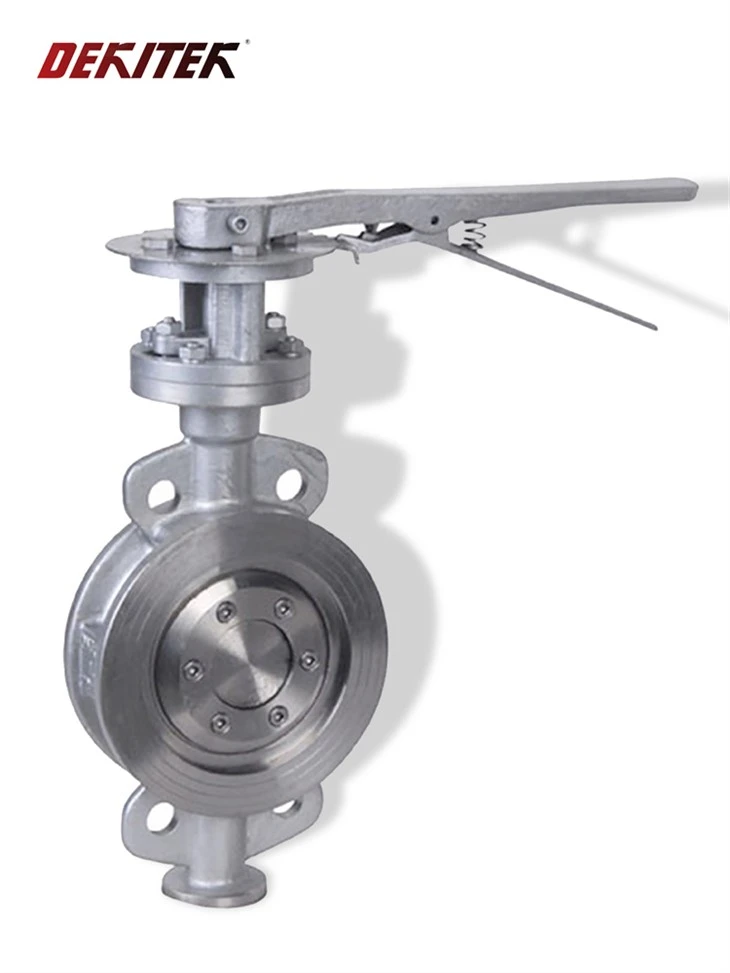
In a small valve, the disc may not be able to fully close the opening, leaving gaps that can allow media to leak through. This can be a major problem in applications where preventing leakage is crucial, such as in chemical processing or water treatment plants. On the other hand, a valve that's too large may not fit properly in the pipeline, which can also lead to sealing issues.
Valve manufacturers use different sealing technologies to ensure a good seal. For example, the Double Offset Wafer Type Butterfly Valve and the Wafer Type Metal Sealing Butterfly Valve are designed with specific sealing mechanisms that can provide excellent sealing performance even in high-pressure or high-temperature applications. When choosing a valve, it's important to consider the sealing requirements of your application and select a valve size and type that can meet those needs.
Cost Considerations
Of course, cost is always a factor when choosing a butterfly valve. Larger valves generally cost more than smaller ones. This is due to the increased amount of materials used in their construction, as well as the more complex manufacturing processes. However, it's important to look at the overall cost - not just the initial purchase price.
A smaller valve may be cheaper upfront, but if it doesn't meet the performance requirements of your application, you may end up spending more in the long run. For example, a small valve with a high pressure drop can increase energy costs over time. Additionally, if a valve fails due to improper sizing, you'll have to pay for replacement and any associated downtime costs.
When making a decision, it's important to weigh the initial cost against the long-term performance and cost savings. Sometimes, investing in a larger, more expensive valve can actually be more cost-effective in the long run, especially if it improves system efficiency and reduces maintenance requirements.
Conclusion
In conclusion, the size of a butterfly valve plays a crucial role in its performance. From flow capacity and pressure drop to torque requirements, sealing performance, and cost, every aspect of valve operation is affected by its size. As a butterfly valve supplier, I strongly recommend taking the time to carefully consider your application requirements and select the right valve size.
If you're in the market for a butterfly valve and need help choosing the right size and type for your application, don't hesitate to reach out. We have a team of experts who can provide you with personalized advice and guidance. Whether you need a BW Type Metal Sealing Butterfly Valve, a Double Offset Wafer Type Butterfly Valve, or a Wafer Type Metal Sealing Butterfly Valve, we've got you covered. Let's work together to find the perfect valve solution for your project.
References
- Valve Handbook, 4th Edition, by Thangavelu Subramanian
- Industrial Valves: Selection and Sizing, by Joseph A. Shigley and Charles R. Mischke
- Fluid Mechanics for Engineers, by Frank M. White