



In the realm of chemical processing plants, the selection of appropriate valves is crucial for ensuring efficient and safe operations. One valve type that has gained significant attention is the Triple Offset Lug Type Butterfly Valve. As a supplier of this specialized valve, I am often asked whether it can be used in a chemical processing plant. In this blog post, I will delve into the characteristics of the Triple Offset Lug Type Butterfly Valve and explore its suitability for chemical processing applications.
Understanding the Triple Offset Lug Type Butterfly Valve
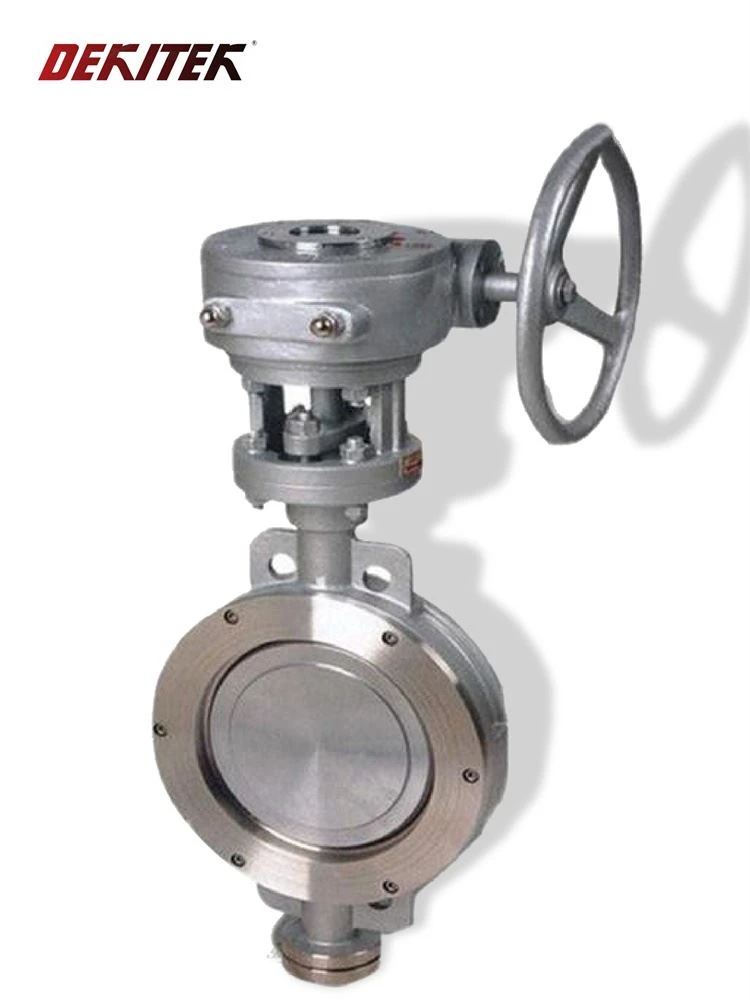
Before discussing its application in chemical processing plants, let's first understand what a Triple Offset Lug Type Butterfly Valve is. The valve features three offsets: the first offset is from the center of the disc to the center of the stem, the second offset is from the center of the bore to the center of the stem, and the third offset is the cone angle of the sealing surface. These offsets allow the valve to achieve a bubble-tight shut-off by creating a cam action during the opening and closing process.
The lug type design of the valve means that it has threaded lugs on the valve body, which can be used to mount the valve between flanges using bolts. This design provides flexibility in installation and allows for easy maintenance and replacement.
The Triple Offset Lug Type Butterfly Valve is typically made of high-quality materials such as stainless steel, carbon steel, or special alloys, depending on the specific application requirements. The valve seat can be made of various materials, including PTFE, rubber, or metal, to ensure compatibility with different chemicals.

Advantages of Using Triple Offset Lug Type Butterfly Valve in Chemical Processing Plants
1. Excellent Sealing Performance
One of the primary advantages of the Triple Offset Lug Type Butterfly Valve is its excellent sealing performance. The triple offset design ensures a metal-to-metal or soft-seated seal, which can provide a bubble-tight shut-off even under high pressure and temperature conditions. This is crucial in chemical processing plants, where preventing leakage of hazardous chemicals is of utmost importance.
2. High Flow Capacity
The valve has a relatively large flow area, which allows for high flow rates with minimal pressure drop. This is beneficial in chemical processing plants, where efficient fluid handling is required to ensure smooth operations. The high flow capacity of the valve also reduces energy consumption, as less power is needed to pump the fluid through the system.
3. Corrosion Resistance
Chemical processing plants often deal with corrosive chemicals, which can cause significant damage to valves over time. The Triple Offset Lug Type Butterfly Valve can be made of corrosion-resistant materials, such as stainless steel or special alloys, to withstand the harsh chemical environment. Additionally, the valve seat can be selected to be compatible with the specific chemicals being handled, further enhancing its corrosion resistance.
4. Long Service Life
The robust construction and high-quality materials used in the Triple Offset Lug Type Butterfly Valve contribute to its long service life. The valve is designed to withstand frequent cycling and harsh operating conditions, reducing the need for frequent maintenance and replacement. This not only saves costs but also minimizes downtime in the chemical processing plant.
5. Easy Installation and Maintenance
The lug type design of the valve makes it easy to install and remove from the pipeline. The valve can be mounted between flanges using bolts, without the need for special tools or equipment. Additionally, the valve's simple design allows for easy access to internal components, making maintenance and repair work straightforward.
Considerations for Using Triple Offset Lug Type Butterfly Valve in Chemical Processing Plants
While the Triple Offset Lug Type Butterfly Valve offers many advantages for chemical processing plants, there are also some considerations that need to be taken into account.
1. Chemical Compatibility
It is essential to ensure that the materials used in the valve, including the valve body, seat, and stem, are compatible with the chemicals being handled. Different chemicals have different corrosive properties, and using a valve made of incompatible materials can lead to premature failure and leakage. Therefore, a thorough analysis of the chemical composition and operating conditions is necessary before selecting a valve.
2. Operating Conditions
The operating conditions in a chemical processing plant, such as pressure, temperature, and flow rate, can vary widely. It is important to select a valve that is rated for the specific operating conditions to ensure its safe and reliable operation. For example, high-pressure applications may require a valve with a higher pressure rating, while high-temperature applications may require a valve made of heat-resistant materials.
3. Cost
The cost of the Triple Offset Lug Type Butterfly Valve can be relatively high compared to other types of valves. However, it is important to consider the long-term benefits and cost savings associated with the valve's excellent performance, long service life, and low maintenance requirements. A cost-benefit analysis should be conducted to determine whether the valve is a cost-effective solution for the specific chemical processing application.
Other Related Valve Types
In addition to the Triple Offset Lug Type Butterfly Valve, there are other related valve types that may also be suitable for chemical processing plants. The Triple Offset BW End Butterfly Valve is designed with butt-weld ends, which provide a permanent and leak-proof connection to the pipeline. This type of valve is often used in high-pressure and high-temperature applications where a more secure connection is required.
The Triple Offset Wafer Type Butterfly Valve is a compact and lightweight valve that is installed between two flanges using bolts. It is suitable for applications where space is limited and a quick and easy installation is required.
Conclusion
In conclusion, the Triple Offset Lug Type Butterfly Valve can be an excellent choice for chemical processing plants. Its excellent sealing performance, high flow capacity, corrosion resistance, long service life, and easy installation and maintenance make it well-suited for handling a wide range of chemicals under various operating conditions. However, it is important to carefully consider the chemical compatibility, operating conditions, and cost before selecting a valve.
If you are in the chemical processing industry and are looking for a reliable valve solution, I encourage you to explore our range of Triple Offset Lug Type Butterfly Valves. Our valves are designed and manufactured to the highest standards, ensuring optimal performance and reliability. Contact us today to discuss your specific requirements and to learn more about how our valves can meet your needs.
References
- Valve Handbook, 4th Edition, by Leslie E. Kelm
- Chemical Engineering Handbook, 8th Edition, by Perry and Green