


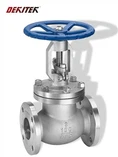

As a seasoned supplier of Alloy Steel Pressure Seal Gate Valves, I've witnessed firsthand the pivotal role that gate design plays in determining the performance of these critical industrial components. In this blog, I'll delve into the intricate relationship between gate design and valve performance, exploring how various design elements can impact factors such as flow control, sealing integrity, and durability.
Flow Control
One of the primary functions of a gate valve is to regulate the flow of fluid through a pipeline. The design of the gate itself can significantly influence the valve's ability to control flow effectively. A well-designed gate should provide a smooth and unobstructed path for fluid to pass through when the valve is fully open, minimizing pressure drop and ensuring efficient flow.
The shape and size of the gate opening are crucial factors in determining flow characteristics. A gate with a large, unobstructed opening will allow for higher flow rates and lower pressure drop compared to a gate with a smaller or more restricted opening. Additionally, the shape of the gate edges can affect the flow pattern, with rounded edges generally providing better flow performance than sharp edges.
Another important consideration is the alignment of the gate within the valve body. A misaligned gate can cause uneven flow distribution and increased turbulence, leading to higher pressure drop and reduced flow efficiency. Proper alignment is essential to ensure that the gate seals evenly against the valve seats and provides a consistent flow path.
Sealing Integrity
The ability of a gate valve to provide a reliable seal is critical for preventing leakage and maintaining system integrity. The gate design plays a key role in achieving effective sealing, as it determines the contact area between the gate and the valve seats and the force applied to create a seal.
The material and surface finish of the gate and seats are important factors in sealing performance. A gate made of high-quality alloy steel with a smooth, polished surface finish will provide better sealing than a gate with a rough or uneven surface. Additionally, the choice of seat material should be compatible with the fluid being handled and the operating conditions of the valve.
The design of the gate edges also affects sealing performance. A gate with sharp, well-defined edges will provide a more effective seal than a gate with rounded or beveled edges. However, sharp edges can also be more prone to damage and wear, so a balance must be struck between sealing performance and durability.
Another important consideration is the gate's ability to self-align and compensate for any minor misalignment or wear. A gate with a flexible or resilient design can help to ensure a tight seal even in the presence of small variations in valve alignment or seat wear.


Durability
Alloy Steel Pressure Seal Gate Valves are often subjected to harsh operating conditions, including high pressures, temperatures, and corrosive environments. The gate design must be able to withstand these conditions and provide long-term durability.
The material selection for the gate is crucial for ensuring durability. Alloy steel is a popular choice due to its high strength, corrosion resistance, and ability to withstand high temperatures. However, the specific alloy composition and heat treatment process used can significantly affect the gate's performance and durability.
The design of the gate should also take into account the potential for wear and erosion. A gate with a thick, robust design will be more resistant to wear and erosion than a thin or lightweight gate. Additionally, the use of wear-resistant coatings or inserts can help to extend the life of the gate and improve its durability.
Another important consideration is the gate's ability to withstand thermal cycling and pressure fluctuations. A gate that is designed to expand and contract evenly with changes in temperature and pressure will be less prone to cracking or deformation, ensuring long-term reliability.
Impact of Gate Design on Valve Performance
The gate design can have a significant impact on the overall performance of an Alloy Steel Pressure Seal Gate Valve. A well-designed gate can provide efficient flow control, reliable sealing, and long-term durability, while a poorly designed gate can lead to reduced performance, increased maintenance costs, and potential safety hazards.
When selecting an Alloy Steel Pressure Seal Gate Valve, it's important to consider the specific requirements of your application and choose a valve with a gate design that is optimized for your needs. Factors such as flow rate, pressure, temperature, and fluid characteristics should all be taken into account when evaluating gate design options.
In addition to the gate design, other factors such as valve body design, seat material, and actuator type can also affect valve performance. It's important to work with a reputable supplier who can provide expert advice and guidance on selecting the right valve for your application.
Conclusion
In conclusion, the gate design plays a crucial role in determining the performance of an Alloy Steel Pressure Seal Gate Valve. By understanding the impact of gate design on flow control, sealing integrity, and durability, you can make informed decisions when selecting a valve for your application.
As a supplier of Alloy Steel Pressure Seal Gate Valves, we offer a wide range of gate designs to meet the diverse needs of our customers. Whether you need a valve for high-pressure applications, corrosive environments, or specific flow requirements, we can provide a solution that is tailored to your needs.
If you're interested in learning more about our Alloy Steel Pressure Seal Gate Valves or would like to discuss your specific requirements, please don't hesitate to contact us. We look forward to working with you to provide the best valve solutions for your application.
References
- "Valve Handbook," by Milton Rowse
- "Industrial Valves: Selection, Specification, and Installation," by John P. Carucci
- "Gate Valves: Design, Operation, and Maintenance," by Richard A. Miller