



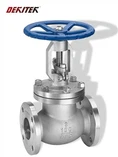

Hey there! As a supplier of API6D Flange End Swing Type Check Valve, I often get asked if this type of valve can be used in a vacuum system. Well, let's dig into this topic and find out.
First off, let's quickly understand what an API6D Flange End Swing Type Check Valve is. It's a valve designed to allow fluid to flow in one direction only. The swing - type design means it has a disc that swings on a hinge. When the fluid flows in the correct direction, the disc swings open, and when the flow reverses, the disc swings shut to prevent backflow. This valve is built according to the API 6D standard, which ensures high - quality and reliable performance in various industrial applications.
Now, when it comes to vacuum systems, things get a bit tricky. A vacuum system is one where the pressure is lower than the atmospheric pressure. The main concern here is whether the API6D Flange End Swing Type Check Valve can function properly under these low - pressure conditions.
One of the key factors to consider is the sealing ability of the valve. In a vacuum system, any leakage can be a big problem. The valve needs to have a tight seal to maintain the vacuum. The API6D Flange End Swing Type Check Valve is typically designed with a good sealing mechanism. The disc is designed to fit snugly against the seat when it closes, which helps in preventing leakage. However, the effectiveness of the seal can be affected by factors such as the quality of the materials used, the manufacturing precision, and the wear and tear over time.
Another aspect is the response time of the valve. In a vacuum system, rapid changes in pressure can occur. The valve needs to be able to open and close quickly to adapt to these changes. The swing - type design of the API6D valve generally allows for a relatively fast response. The disc can swing open and shut with minimal resistance when the flow direction changes. But again, this can be influenced by the weight of the disc and the friction at the hinge.
The construction materials of the valve also play a crucial role. In a vacuum system, certain materials may outgas, which can contaminate the vacuum environment. The API6D Flange End Swing Type Check Valve is usually made from materials like carbon steel, stainless steel, or alloy steel. These materials are generally suitable for vacuum applications as they have low outgassing rates. However, it's important to ensure that the surface finish of the valve components is smooth to further reduce the risk of outgassing.


Let's talk about some real - world scenarios. In some industrial vacuum processes, such as vacuum distillation or vacuum coating, the API6D Flange End Swing Type Check Valve can be a good choice. For example, in a vacuum distillation unit, the valve can prevent the backflow of vapor, ensuring that the distillation process runs smoothly. The flange end design makes it easy to install and connect to other parts of the system.
However, there are also situations where you might need to be more cautious. In high - vacuum systems, where the pressure is extremely low (e.g., in some semiconductor manufacturing processes), the API6D valve may not be the best option. In these cases, more specialized valves with higher - precision sealing and lower outgassing characteristics may be required.
Now, let's compare the API6D Flange End Swing Type Check Valve with another type of valve, the API 6D BW Check Valve. The BW (butt - weld) check valve has a different connection method compared to the flange - end valve. The butt - weld connection provides a more permanent and leak - tight joint, which can be an advantage in some vacuum systems. However, the installation of a BW check valve is more complex and requires skilled welding. On the other hand, the API6D Flange End Swing Type Check Valve is easier to install and replace, which can be a plus in applications where quick maintenance is needed.
If you're thinking about using an API6D Flange End Swing Type Check Valve in your vacuum system, here are some tips. First, make sure to choose the right size of the valve. A valve that is too small may cause excessive pressure drop, while a valve that is too large may not close properly. Second, pay attention to the operating temperature and pressure range of the valve. Make sure it can handle the specific conditions of your vacuum system. Third, regular maintenance is essential. Check the valve for any signs of wear, such as damage to the disc or seat, and replace any worn - out parts as needed.
In conclusion, the API6D Flange End Swing Type Check Valve can be used in a vacuum system, but it depends on the specific requirements of the system. For many medium - vacuum applications, it can offer a reliable and cost - effective solution. However, for high - vacuum applications, you may need to explore other options or take additional precautions.
If you're in the market for a check valve for your vacuum system or any other application, don't hesitate to reach out. We're here to help you choose the right valve and provide you with the best - quality products. Whether you have questions about the API6D Flange End Swing Type Check Valve or need advice on valve selection, we're just a message away. Let's start a conversation and see how we can meet your valve needs.
References:
- API 6D Standard Documentation
- Industrial Valve Handbook