



Can a Top Entry Ball Valve be used in a vacuum system?
Hey there! I'm a supplier of top entry ball valves, and I often get asked if these valves can be used in vacuum systems. It's a great question, and I'm here to break it down for you.
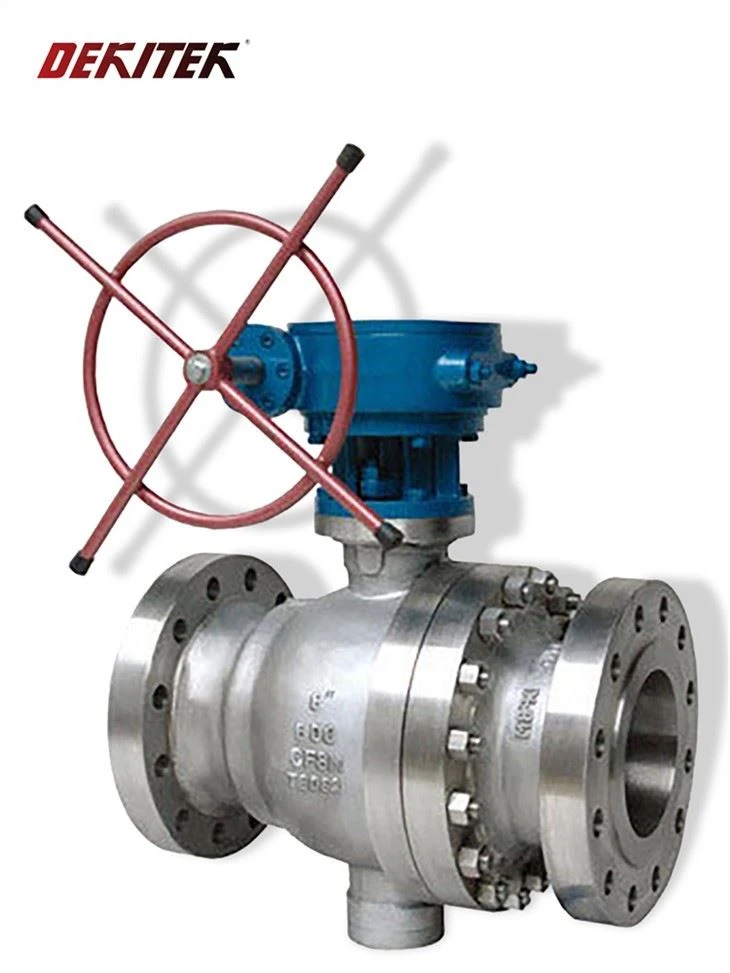
First off, let's talk about what a top entry ball valve is. It's a type of valve where the ball, seats, and other internal components can be accessed and serviced from the top of the valve body. This design makes maintenance a breeze compared to some other valve types. The ball in the valve rotates to control the flow of fluid or gas. When the ball's hole aligns with the pipeline, the valve is open, and when it's perpendicular, the valve is closed.
Now, onto the big question: Can it work in a vacuum system? The short answer is yes, but there are some important factors to consider.
Sealing Performance
One of the most critical aspects in a vacuum system is the sealing. A vacuum system is designed to maintain a pressure lower than the atmospheric pressure. Any leak in the valve can disrupt the vacuum and affect the performance of the entire system.
Top entry ball valves can be equipped with different types of seals. For vacuum applications, metal - seated seals are often a great choice. They offer excellent durability and can withstand high temperatures and pressures. Our Cast Steel Metal Seated Floating Ball Valve is a prime example. The metal - to - metal contact provides a tight seal that can prevent air from leaking into the vacuum system.
However, soft - seated seals also have their place. They can provide a very tight seal at lower pressures and are often more cost - effective. Our Forged Floating Soft Seated Ball Valve uses soft materials like PTFE or NBR, which can conform well to the ball surface and create a reliable seal. But keep in mind that soft - seated valves may have limitations in high - temperature or high - pressure vacuum applications.
Material Selection
The materials used in the valve construction are also crucial. In a vacuum system, outgassing can be a problem. Outgassing is the release of gas from the materials in the valve. This can contaminate the vacuum environment and reduce the efficiency of the system.
For top entry ball valves in vacuum applications, stainless steel is a popular choice. It has low outgassing characteristics and is resistant to corrosion. Additionally, it can handle a wide range of temperatures, which is important as vacuum systems can operate at both very low and very high temperatures.

Valve Design and Construction
The design of the top entry ball valve itself plays a role in its suitability for vacuum systems. A well - designed valve should have minimal dead space. Dead space is the area in the valve where gas can get trapped. In a vacuum system, this trapped gas can be a source of contamination and can also affect the vacuum level.
Our valves are engineered to have a streamlined design, reducing dead space as much as possible. Also, the internal components should be properly aligned to ensure smooth operation and a tight seal. For larger vacuum systems, Trunnion Mounted Metal Seated Forged Ball Valve can be a great option. The trunnion - mounted design provides better support for the ball, especially in high - flow or high - pressure vacuum applications.
Pressure and Temperature Ratings
Vacuum systems can operate at a wide range of pressures and temperatures. It's essential to choose a top entry ball valve with the appropriate pressure and temperature ratings.
The pressure rating of the valve should be able to handle the maximum pressure difference between the vacuum side and the outside environment. If the pressure rating is too low, the valve may fail under the pressure, leading to leaks or even valve damage.
Similarly, the temperature rating is important. Some vacuum processes involve high - temperature operations, while others may require low - temperature conditions. Make sure the valve materials and seals can withstand the expected temperature range.
Testing and Certification
Before using a top entry ball valve in a vacuum system, it's important to ensure that the valve has been properly tested. Valves should be tested for leak tightness, flow capacity, and operational performance.
Many of our valves come with certifications that attest to their quality and performance. These certifications are recognized in the industry and give you peace of mind that the valve will work as expected in your vacuum system.
Installation and Maintenance
Proper installation is key to the successful operation of a top entry ball valve in a vacuum system. The valve should be installed in the correct orientation, and all the connections should be tightened properly to prevent leaks.
Maintenance is also important. Regular inspections can help detect any signs of wear or damage early on. Since top entry ball valves are designed for easy access to internal components, maintenance tasks like replacing seals or inspecting the ball can be done relatively quickly, minimizing downtime.
In conclusion, a top entry ball valve can definitely be used in a vacuum system. With the right sealing, material selection, design, and proper installation and maintenance, it can provide reliable performance in a wide range of vacuum applications.
If you're in the market for a top entry ball valve for your vacuum system, I'd love to have a chat with you. Whether you need more information about our products, help with valve selection, or want to discuss your specific application requirements, don't hesitate to reach out. Let's work together to find the perfect valve solution for your vacuum system.
References
- Valve Handbook, 4th Edition, by J. S. T. Smith
- Vacuum Technology: Basics and Applications, by P. H. McMahan