


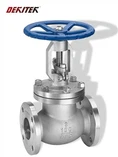

When it comes to choosing the right valve for high - pressure applications, the question of whether a gate valve can be used is one that often arises. As a gate valve supplier, I have encountered this query numerous times from clients across various industries. In this blog, I will delve into the details of gate valves and their suitability for high - pressure environments.
Understanding Gate Valves
Gate valves are one of the most common types of valves used in industrial applications. They operate by raising a rectangular or circular gate out of the path of the fluid flow to open the valve and lowering it back into place to shut off the flow. This simple yet effective design makes gate valves ideal for applications where a straight - through flow with minimal restriction is required.


The main components of a gate valve include the valve body, gate, stem, bonnet, and seat. The valve body houses all the internal components and provides the connection to the pipeline. The gate is the moving part that controls the flow, and the stem is responsible for raising and lowering the gate. The bonnet seals the top of the valve body, and the seat provides a tight seal when the gate is closed.
Gate Valves in High - Pressure Applications
The ability of a gate valve to function in high - pressure applications depends on several factors, including the valve design, material selection, and manufacturing quality.
Design Considerations
In high - pressure applications, the design of the gate valve must be able to withstand the forces exerted by the fluid. One of the key design features is the pressure - containing parts, such as the valve body and bonnet. These parts need to be thick enough to prevent deformation or rupture under high pressure.
Another important design aspect is the seating arrangement. The seat of the gate valve must be able to provide a tight seal even under high - pressure differentials. Some gate valves use a flexible wedge design, which allows the gate to adapt to minor irregularities in the seat surface and ensure a better seal. For example, our Stainless Steel Flexible Wedge Gate Valve is specifically designed for high - pressure applications where a reliable seal is crucial.
Material Selection
The choice of materials for gate valves in high - pressure applications is critical. The valve body, gate, and seat materials must be able to withstand the high - pressure and corrosive nature of the fluid. Common materials used for high - pressure gate valves include carbon steel, stainless steel, and alloy steel.
Duplex stainless steel is an excellent choice for high - pressure applications due to its high strength, good corrosion resistance, and excellent weldability. Our Duplex Stainless Steel Gate Valve is made from high - quality duplex stainless steel, which makes it suitable for use in harsh environments with high - pressure and corrosive fluids.
Manufacturing Quality
The manufacturing process also plays a significant role in the performance of gate valves in high - pressure applications. High - precision machining is required to ensure that the valve components fit together properly and that the seat provides a tight seal. Quality control measures, such as non - destructive testing and pressure testing, are essential to ensure that the valve meets the required standards.
Our Duplex Stainless Steel Pressure Seal Gate Valve is manufactured using state - of - the - art technology and undergoes rigorous quality control procedures. This ensures that it can withstand high pressures and provide reliable performance over an extended period.
Advantages of Using Gate Valves in High - Pressure Applications
There are several advantages to using gate valves in high - pressure applications:
Full - Bore Flow
Gate valves provide a full - bore flow when fully open, which means that there is minimal resistance to the fluid flow. This is particularly important in high - pressure applications where energy efficiency is a concern. The full - bore design also reduces the risk of erosion and cavitation, which can damage the valve and the pipeline.
Tight Shut - Off
When properly designed and installed, gate valves can provide a tight shut - off, even under high - pressure differentials. This is crucial in applications where leakage can lead to safety hazards or environmental damage.
Durability
Gate valves are known for their durability. The simple design and robust construction of gate valves make them suitable for long - term use in high - pressure applications. With proper maintenance, gate valves can last for many years without significant performance degradation.
Limitations of Gate Valves in High - Pressure Applications
Despite their many advantages, gate valves also have some limitations in high - pressure applications:
Slow Operation
Gate valves typically have a slow opening and closing time compared to other types of valves, such as ball valves or butterfly valves. This can be a disadvantage in applications where quick shut - off is required, such as emergency situations.
Susceptibility to Erosion
The gate and seat of a gate valve can be susceptible to erosion, especially in applications with high - velocity or abrasive fluids. This can lead to a loss of sealing performance over time and may require frequent maintenance or replacement of the valve components.
Conclusion
In conclusion, gate valves can be used in high - pressure applications, provided that they are properly designed, made from suitable materials, and manufactured to high - quality standards. The advantages of full - bore flow, tight shut - off, and durability make gate valves a popular choice for many high - pressure applications. However, it is important to consider the limitations, such as slow operation and susceptibility to erosion, when selecting a valve for a specific application.
If you are in the market for a gate valve for high - pressure applications, I encourage you to contact us for more information. Our team of experts can help you select the right valve based on your specific requirements and provide you with the best solution for your project.
References
- Valve Handbook, CRC Press
- Introduction to Industrial Valves, ASME International