



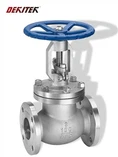

A ball valve is a type of valve that uses a ball to control the flow of fluid through a pipe. The ball has a hole in the middle, and when the valve is open, the hole aligns with the pipe, allowing fluid to pass through. When the valve is closed, the ball is rotated so that the hole is perpendicular to the pipe, blocking the flow of fluid. Ball valves are known for their durability, reliability, and ease of operation, making them a popular choice for a wide range of applications, including gas pipelines.
Suitability of Ball Valves for Gas Pipelines
When considering whether a ball valve can be used in a gas pipeline, several factors need to be taken into account. These include the type of gas, the pressure and temperature of the pipeline, and the specific requirements of the application.
Type of Gas
Different gases have different properties, and these properties can affect the performance of a ball valve. For example, some gases may be corrosive, which can damage the valve over time. In such cases, it is important to choose a ball valve made from materials that are resistant to corrosion, such as stainless steel or brass. Other gases may be flammable or explosive, which requires the use of ball valves that are designed to meet strict safety standards.
Pressure and Temperature
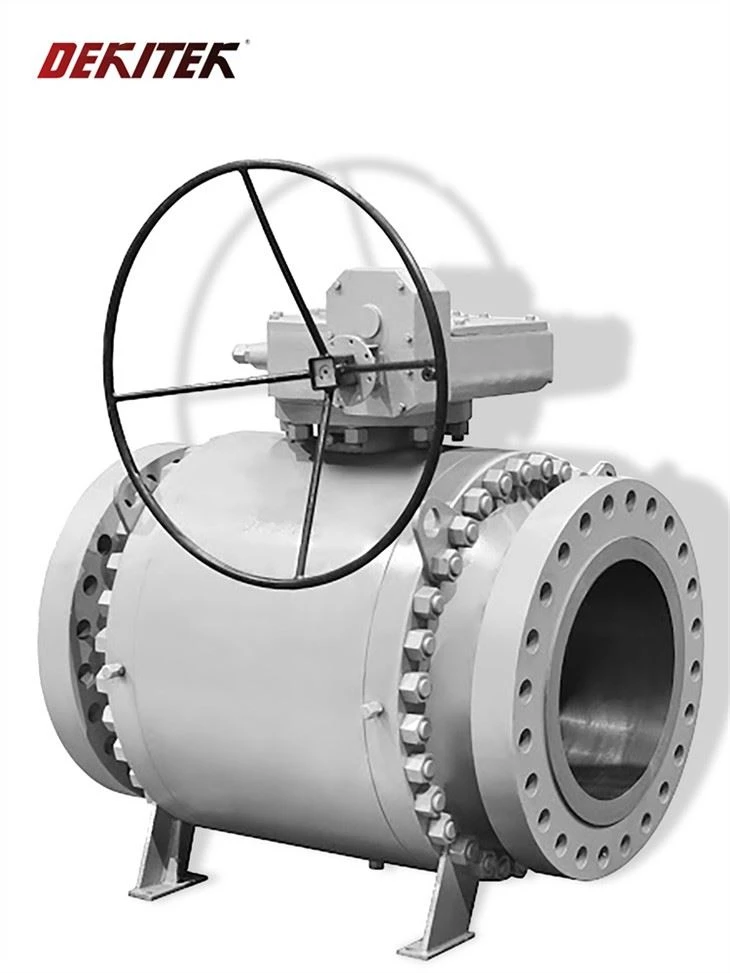
The pressure and temperature of the gas pipeline are also important factors to consider. Ball valves are available in a variety of pressure and temperature ratings, and it is essential to choose a valve that is suitable for the specific conditions of the pipeline. For high-pressure applications, a Trunnion Mounted Soft Seated Ball Valve may be the best choice, as it is designed to withstand high pressures and provide reliable shut-off. For applications with extreme temperatures, a valve made from materials that can withstand the temperature range is necessary.
Specific Requirements of the Application
In addition to the type of gas and the pressure and temperature of the pipeline, the specific requirements of the application also need to be considered. For example, some applications may require a valve that can be operated remotely, while others may require a valve that is easy to maintain. It is important to choose a ball valve that meets the specific needs of the application to ensure optimal performance.
Advantages of Using Ball Valves in Gas Pipelines
There are several advantages to using ball valves in gas pipelines, including:
Quick and Easy Operation
Ball valves are known for their quick and easy operation. They can be opened and closed with a simple quarter-turn of the handle, making them ideal for applications where rapid shut-off is required. This can be especially important in emergency situations, where a fast response can prevent accidents and minimize damage.
Tight Shut-Off
Ball valves provide a tight shut-off, which helps to prevent gas leakage. This is important for safety reasons, as gas leakage can pose a serious risk of fire, explosion, or asphyxiation. The tight seal of a ball valve also helps to maintain the integrity of the pipeline and prevent the loss of gas.
Durability and Reliability
Ball valves are designed to be durable and reliable. They are made from high-quality materials and are built to withstand the harsh conditions of gas pipelines. This means that they require less maintenance and have a longer service life compared to other types of valves.
Versatility
Ball valves are available in a wide range of sizes, materials, and configurations, making them suitable for a variety of gas pipeline applications. Whether it is a small residential gas line or a large industrial pipeline, there is a ball valve that can meet the specific requirements of the application.
Types of Ball Valves for Gas Pipelines
There are several types of ball valves that are commonly used in gas pipelines, including:
Floating Ball Valves
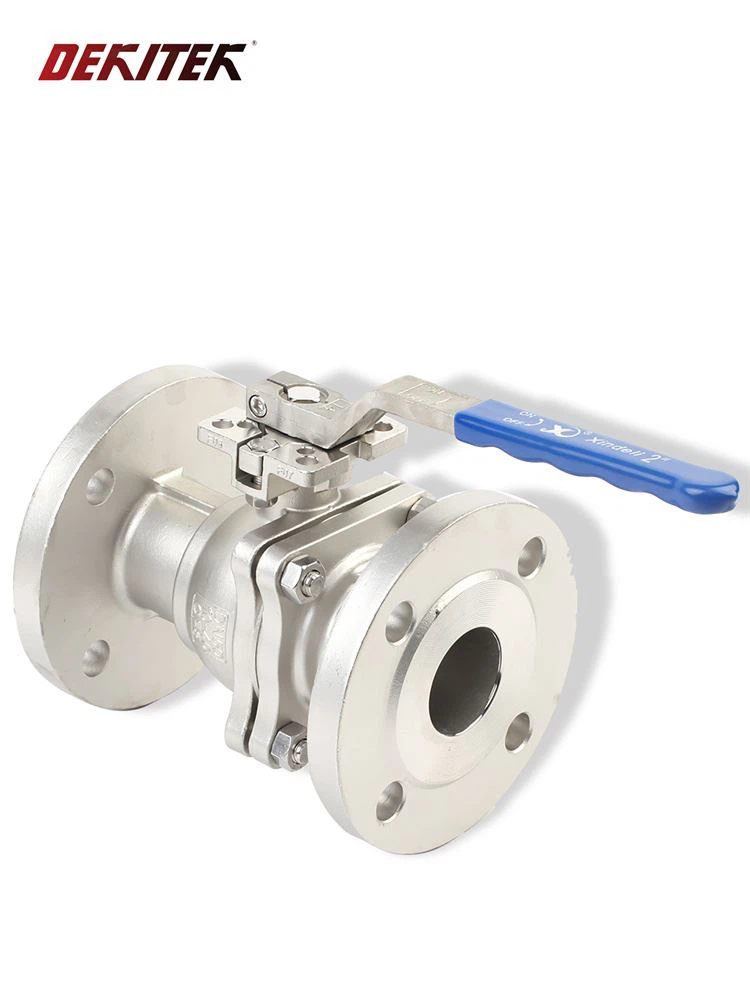
Floating ball valves are the most common type of ball valve used in gas pipelines. In a floating ball valve, the ball is not fixed in place but is free to float between the seats. When the valve is closed, the pressure of the gas forces the ball against the downstream seat, creating a tight seal. Floating ball valves are suitable for low to medium-pressure applications and are available in a variety of materials, including Cast Steel Soft Seated Floating Ball Valve.
Trunnion Mounted Ball Valves
Trunnion mounted ball valves are designed for high-pressure applications. In a trunnion mounted ball valve, the ball is supported by trunnions, which are fixed shafts that prevent the ball from floating. This design allows the valve to withstand high pressures and provides a more reliable shut-off. Trunnion mounted ball valves are commonly used in large-diameter gas pipelines and in applications where safety is a top priority.
Metal Seated Ball Valves
Metal seated ball valves are designed for applications where the gas contains abrasive particles or where high temperatures are involved. The metal seats provide a more durable and wear-resistant seal compared to soft seats, making them suitable for harsh operating conditions. Forged Floating Metal Seated Ball Valve is an example of a metal seated ball valve that is commonly used in gas pipelines.
Considerations for Choosing a Ball Valve for Gas Pipelines
When choosing a ball valve for a gas pipeline, the following considerations should be taken into account:
Material
The material of the ball valve is an important consideration, as it needs to be compatible with the type of gas and the operating conditions of the pipeline. Stainless steel, brass, and carbon steel are common materials used for ball valves in gas pipelines. Stainless steel is resistant to corrosion and is suitable for applications where the gas is corrosive. Brass is a good choice for low-pressure applications and is relatively inexpensive. Carbon steel is strong and durable and is commonly used in high-pressure applications.
Size
The size of the ball valve needs to be appropriate for the diameter of the pipeline. A valve that is too small may restrict the flow of gas, while a valve that is too large may be more expensive and may not provide a proper seal. It is important to choose a valve that has the same nominal diameter as the pipeline to ensure optimal performance.
End Connections
The end connections of the ball valve need to be compatible with the pipeline. Common end connections include flanged, threaded, and welded connections. Flanged connections are easy to install and remove and are suitable for applications where the valve may need to be replaced or serviced. Threaded connections are commonly used in small-diameter pipelines and are relatively easy to install. Welded connections provide a permanent and leak-proof seal and are suitable for high-pressure applications.
Operating Torque
The operating torque of the ball valve is the amount of force required to open and close the valve. It is important to choose a valve that has an operating torque that is within the capabilities of the operator or the actuating device. A valve with a high operating torque may be difficult to operate manually and may require a more powerful actuating device.
Conclusion
In conclusion, ball valves can be used in gas pipelines, provided that they are selected and installed correctly. They offer several advantages, including quick and easy operation, tight shut-off, durability, and reliability. When choosing a ball valve for a gas pipeline, it is important to consider the type of gas, the pressure and temperature of the pipeline, and the specific requirements of the application. By selecting the right ball valve and ensuring proper installation and maintenance, you can ensure the safe and efficient operation of your gas pipeline.
If you are in the market for a ball valve for your gas pipeline, we are a leading ball valve supplier with a wide range of high-quality ball valves to meet your needs. Our experienced team can help you select the right valve for your application and provide you with professional installation and after-sales service. Contact us today to discuss your requirements and start the procurement process.
References
- ASME B16.34 - Valves - Flanged, Threaded, and Welding End
- API 6D - Pipeline Valves - Specification for Pipeline Valves
- ISO 17292 - Petroleum, Petrochemical and Natural Gas Industries - Ball Valves