


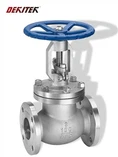

Hey there! As a supplier of Double Offset Lug Type Butterfly Valves, I often get asked about the types of actuators that are suitable for these valves. In this blog, I'll break down the different actuator options and explain which ones work best for double offset lug type butterfly valves.
What's a Double Offset Lug Type Butterfly Valve?
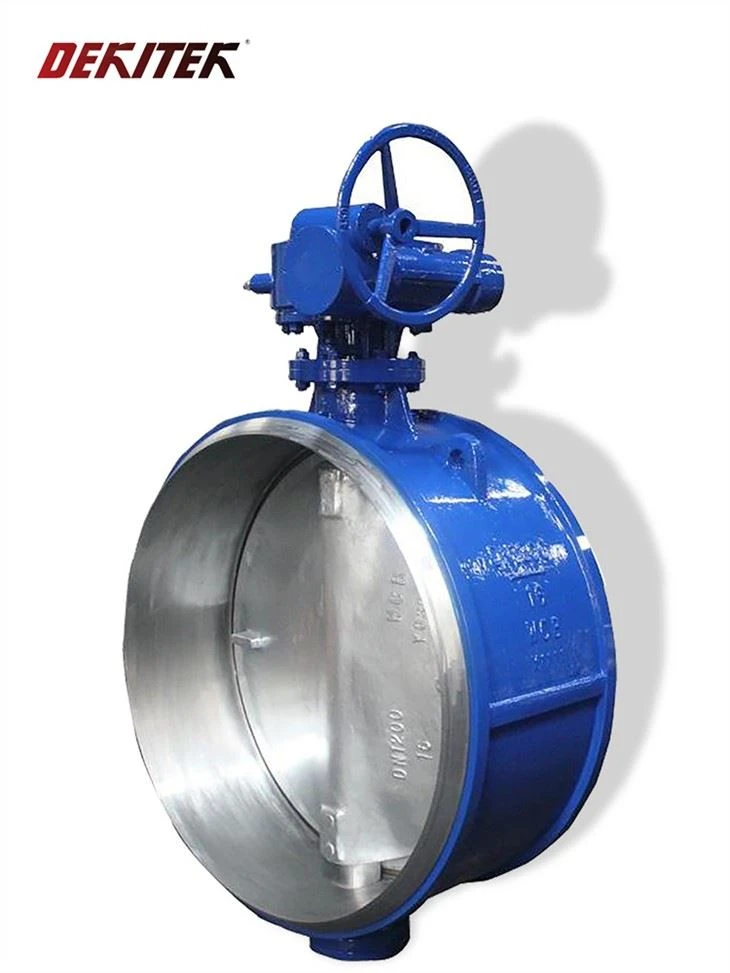
Before we dive into actuators, let's quickly go over what a double offset lug type butterfly valve is. These valves are a popular choice in many industries because they're versatile and can handle a wide range of pressures and temperatures. The "double offset" design means that the valve stem is offset from the center of the disc and the center of the valve body. This design reduces friction and wear, allowing for smoother operation and a longer lifespan. The "lug type" refers to the way the valve is mounted, with lugs on the outside that allow it to be bolted between flanges.
Types of Actuators
Now, let's talk about actuators. An actuator is a device that controls the opening and closing of a valve. There are several types of actuators available, each with its own advantages and disadvantages.
Electric Actuators
Electric actuators are a common choice for double offset lug type butterfly valves. They're easy to install and operate, and they can be controlled remotely using a variety of methods, such as a switch, a timer, or a computer. Electric actuators are also very precise, which means they can be set to open and close the valve at specific angles or times.

One of the main advantages of electric actuators is that they're energy-efficient. They only use power when they're in operation, which can save you money on your energy bills. They're also relatively quiet, which makes them a good choice for applications where noise is a concern.
However, electric actuators do have some limitations. They can be more expensive than other types of actuators, and they require a power source. If there's a power outage, the valve won't be able to operate unless it's equipped with a backup power supply.
Pneumatic Actuators
Pneumatic actuators use compressed air to operate the valve. They're fast and reliable, and they can generate a lot of force, which makes them suitable for large valves or applications where high torque is required. Pneumatic actuators are also relatively inexpensive and easy to maintain.
One of the main advantages of pneumatic actuators is that they're safe to use in hazardous environments. They don't produce sparks or heat, which means they can be used in areas where there's a risk of explosion or fire. They're also very responsive, which means they can open and close the valve quickly.
However, pneumatic actuators do have some limitations. They require a compressed air supply, which can be expensive to install and maintain. They also produce a lot of noise, which can be a problem in some applications.
Hydraulic Actuators
Hydraulic actuators use hydraulic fluid to operate the valve. They're very powerful and can generate a lot of force, which makes them suitable for large valves or applications where high torque is required. Hydraulic actuators are also very precise, which means they can be set to open and close the valve at specific angles or times.
One of the main advantages of hydraulic actuators is that they're very reliable. They can operate in harsh environments and can withstand high pressures and temperatures. They're also very responsive, which means they can open and close the valve quickly.
However, hydraulic actuators do have some limitations. They're more expensive than other types of actuators, and they require a hydraulic fluid supply, which can be expensive to install and maintain. They also produce a lot of heat, which can be a problem in some applications.

Which Actuator is Right for Your Double Offset Lug Type Butterfly Valve?
So, which actuator is right for your double offset lug type butterfly valve? The answer depends on several factors, such as the size of the valve, the application, the operating environment, and your budget.
If you're looking for an easy-to-install and operate actuator that's precise and energy-efficient, an electric actuator might be the right choice for you. Electric actuators are a good option for small to medium-sized valves and applications where noise is a concern.
If you need an actuator that's fast, reliable, and can generate a lot of force, a pneumatic actuator might be the right choice for you. Pneumatic actuators are a good option for large valves or applications where high torque is required, and they're also safe to use in hazardous environments.

If you need an actuator that's very powerful, precise, and reliable, a hydraulic actuator might be the right choice for you. Hydraulic actuators are a good option for large valves or applications where high torque is required, and they can operate in harsh environments.
Other Considerations
In addition to the type of actuator, there are several other factors to consider when choosing an actuator for your double offset lug type butterfly valve. These include:
- Torque requirements: Make sure the actuator you choose has enough torque to open and close the valve.
- Speed of operation: Consider how quickly you need the valve to open and close.
- Control options: Decide how you want to control the actuator, such as manually, remotely, or automatically.
- Environmental conditions: Consider the operating environment, such as temperature, humidity, and exposure to chemicals or other hazards.
- Maintenance requirements: Make sure you're willing and able to perform the necessary maintenance on the actuator.
Conclusion
Choosing the right actuator for your double offset lug type butterfly valve is an important decision that can have a big impact on the performance and reliability of your valve. By considering the factors discussed in this blog, you can choose an actuator that's suitable for your specific application and budget.
If you're still not sure which actuator is right for you, or if you have any other questions about double offset lug type butterfly valves or actuators, please don't hesitate to contact us for a detailed discussion and procurement negotiation. We're here to help you find the best solution for your needs.
And if you're interested in exploring other types of butterfly valves, check out our Double Offset Butt Weld End Butterfly Valve, Triple Offset Wafer Type Butterfly Valve, and Triple Offset Flange End Type Butterfly Valve.
References
- Valves Handbook, 4th Edition
- Actuator Selection Guide
- Industrial Valve Technology