



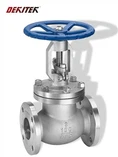

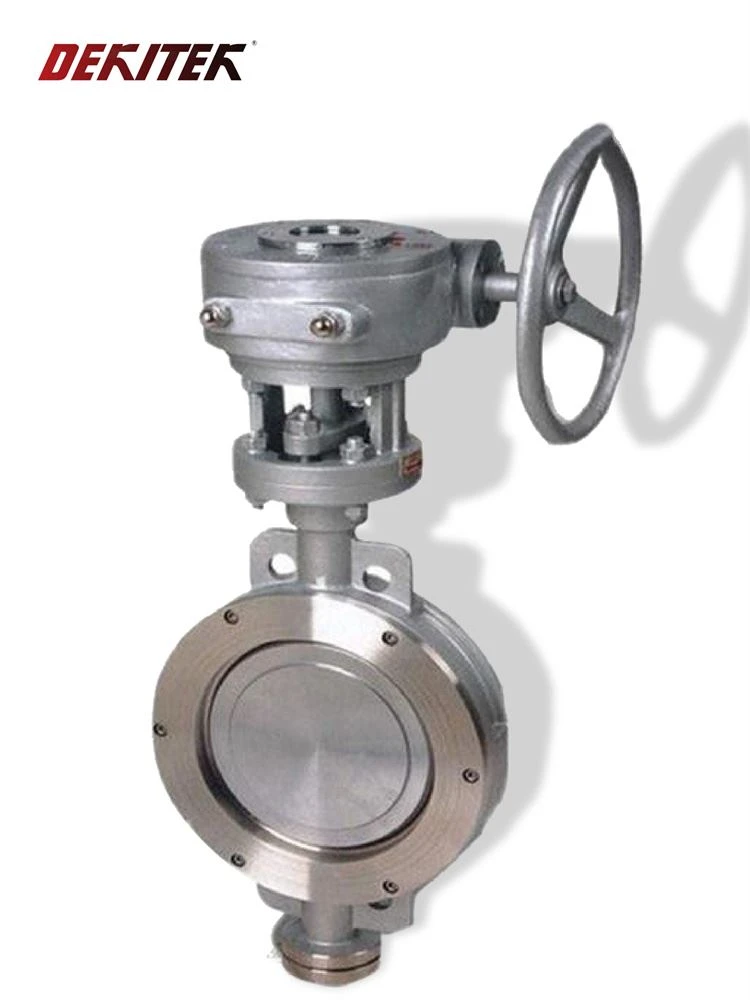
Lug type metal sealing butterfly valves are essential components in various industrial applications, offering reliable control and shut-off capabilities. As a leading supplier of lug type metal sealing butterfly valves, I am often asked about the materials used in their construction. In this blog post, I will delve into the different materials commonly employed in the manufacturing of these valves, their properties, and how they contribute to the overall performance of the valve.
Body Materials
The body of a lug type metal sealing butterfly valve serves as the main structural component, housing the internal parts and providing the connection points to the pipeline. The choice of body material depends on several factors, including the application requirements, the nature of the fluid being handled, and the operating conditions.
Cast Iron
Cast iron is a traditional material used in valve manufacturing due to its low cost, good casting properties, and high strength. It is suitable for a wide range of applications, including water supply, sewage treatment, and general industrial use. However, cast iron is prone to corrosion, especially in aggressive environments, and may require additional protection such as painting or coating.
Carbon Steel
Carbon steel is a popular choice for valve bodies in many industrial applications. It offers excellent strength, durability, and resistance to high pressure and temperature. Carbon steel valves are commonly used in oil and gas, chemical processing, and power generation industries. However, like cast iron, carbon steel is susceptible to corrosion, and proper corrosion protection measures are necessary to ensure long-term performance.
Stainless Steel
Stainless steel is a corrosion-resistant material that is widely used in valve manufacturing, especially in applications where the fluid being handled is corrosive or contains impurities. Stainless steel valves are commonly used in food and beverage, pharmaceutical, and marine industries. They offer excellent resistance to rust, oxidation, and chemical attack, making them suitable for harsh operating environments.
Alloy Steel
Alloy steel is a type of steel that contains additional alloying elements such as chromium, nickel, and molybdenum to enhance its mechanical properties and corrosion resistance. Alloy steel valves are commonly used in high-temperature and high-pressure applications, such as oil and gas refining, chemical processing, and power generation. They offer superior strength, toughness, and resistance to wear and tear compared to carbon steel valves.
Disc Materials
The disc of a lug type metal sealing butterfly valve is the component that rotates within the valve body to control the flow of fluid. The choice of disc material depends on the same factors as the body material, as well as the type of sealing mechanism used in the valve.
Carbon Steel
Carbon steel discs are commonly used in lug type metal sealing butterfly valves due to their high strength and durability. They are suitable for a wide range of applications, including water supply, sewage treatment, and general industrial use. However, carbon steel discs are prone to corrosion, especially in aggressive environments, and may require additional protection such as painting or coating.
Stainless Steel
Stainless steel discs are a popular choice for lug type metal sealing butterfly valves in applications where the fluid being handled is corrosive or contains impurities. They offer excellent resistance to rust, oxidation, and chemical attack, making them suitable for harsh operating environments. Stainless steel discs are commonly used in food and beverage, pharmaceutical, and marine industries.
Alloy Steel
Alloy steel discs are used in lug type metal sealing butterfly valves in high-temperature and high-pressure applications, such as oil and gas refining, chemical processing, and power generation. They offer superior strength, toughness, and resistance to wear and tear compared to carbon steel and stainless steel discs.
Titanium
Titanium is a lightweight and corrosion-resistant material that is used in lug type metal sealing butterfly valves in applications where weight reduction and high corrosion resistance are required. Titanium discs are commonly used in aerospace, marine, and chemical processing industries.
Seat Materials
The seat of a lug type metal sealing butterfly valve is the component that provides the sealing surface between the disc and the valve body. The choice of seat material depends on the same factors as the body and disc materials, as well as the type of sealing mechanism used in the valve.
Rubber
Rubber seats are commonly used in lug type metal sealing butterfly valves due to their excellent sealing properties and low cost. They are suitable for a wide range of applications, including water supply, sewage treatment, and general industrial use. However, rubber seats are prone to wear and tear, especially in high-temperature and high-pressure applications, and may require periodic replacement.
PTFE (Polytetrafluoroethylene)
PTFE seats are a popular choice for lug type metal sealing butterfly valves in applications where chemical resistance and low friction are required. PTFE seats offer excellent resistance to a wide range of chemicals, including acids, bases, and solvents. They also have a low coefficient of friction, which reduces the operating torque of the valve and improves its performance.
Metal
Metal seats are used in lug type metal sealing butterfly valves in high-temperature and high-pressure applications, such as oil and gas refining, chemical processing, and power generation. Metal seats offer excellent resistance to wear and tear, high temperature, and high pressure. They also provide a tight seal, which reduces the leakage of fluid through the valve.
Stem Materials
The stem of a lug type metal sealing butterfly valve is the component that connects the disc to the actuator and transmits the rotational motion from the actuator to the disc. The choice of stem material depends on the same factors as the body, disc, and seat materials, as well as the type of actuator used in the valve.
Carbon Steel
Carbon steel stems are commonly used in lug type metal sealing butterfly valves due to their high strength and durability. They are suitable for a wide range of applications, including water supply, sewage treatment, and general industrial use. However, carbon steel stems are prone to corrosion, especially in aggressive environments, and may require additional protection such as painting or coating.
Stainless Steel
Stainless steel stems are a popular choice for lug type metal sealing butterfly valves in applications where the fluid being handled is corrosive or contains impurities. They offer excellent resistance to rust, oxidation, and chemical attack, making them suitable for harsh operating environments. Stainless steel stems are commonly used in food and beverage, pharmaceutical, and marine industries.
Alloy Steel
Alloy steel stems are used in lug type metal sealing butterfly valves in high-temperature and high-pressure applications, such as oil and gas refining, chemical processing, and power generation. They offer superior strength, toughness, and resistance to wear and tear compared to carbon steel and stainless steel stems.
Conclusion
In conclusion, the choice of materials used in the manufacturing of lug type metal sealing butterfly valves depends on several factors, including the application requirements, the nature of the fluid being handled, and the operating conditions. As a supplier of lug type metal sealing butterfly valves, I offer a wide range of valve materials to meet the diverse needs of my customers. Whether you need a valve for a water supply system, a chemical processing plant, or a power generation facility, I can provide you with a high-quality valve that is designed to perform reliably and efficiently.
If you are interested in learning more about our lug type metal sealing butterfly valves or would like to discuss your specific application requirements, please do not hesitate to contact me. I look forward to working with you to find the best valve solution for your needs.
References
- Valve Handbook, 4th Edition, by Robert W. Yeaple
- ASME B16.34 - Valves - Flanged, Threaded, and Welding End
- API 609 - Butterfly Valves, Double Flanged, Lug - Type, and Wafer - Type
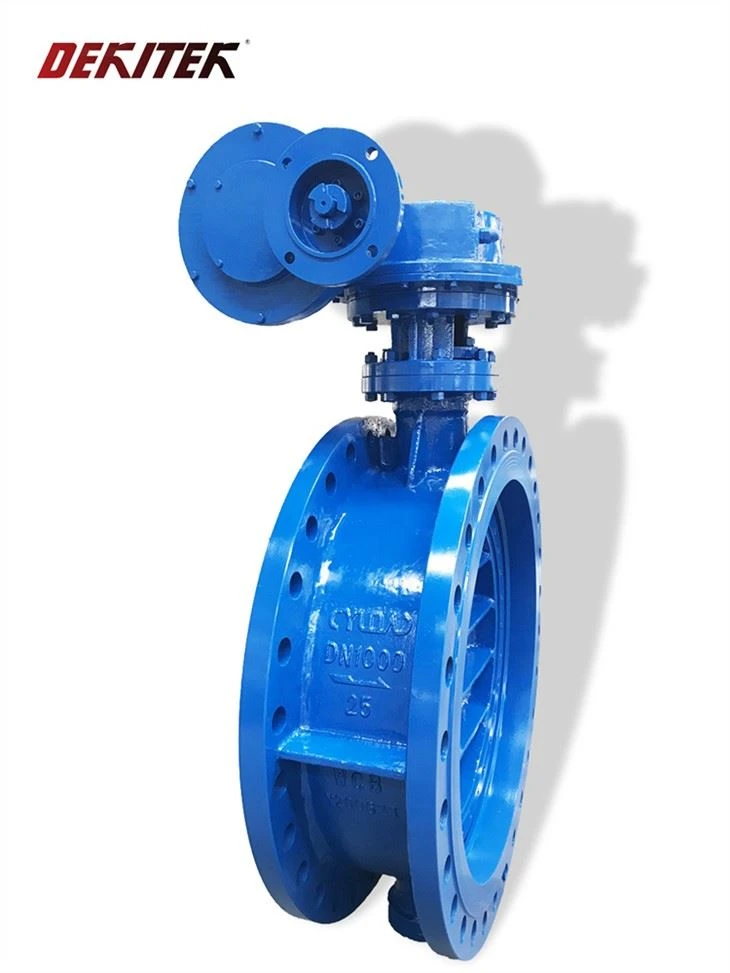
For more information about our products, you can check out our Double Offset Flange End Type Butterfly Valve, BW Type Metal Sealing Butterfly Valve, and Wafer Type Metal Sealing Butterfly Valve. Contact us today to start the procurement negotiation and get the perfect valve for your project.