



Hey there! As a check valve supplier, I often get asked about various features of check valves, and one question that pops up quite a bit is, "What is the wear resistance of a check valve?" Today, I'm gonna break it down for you in simple terms.
First off, let's understand what a check valve is. A check valve is a type of valve that allows fluid to flow in only one direction. It's like a one - way street for liquids or gases. This simple yet crucial function makes it an essential component in many industries, from oil and gas to water treatment.
Now, wear resistance. It's exactly what it sounds like - the ability of a check valve to withstand wear and tear over time. When a check valve is in operation, it's constantly exposed to the flow of fluid, which can cause erosion, corrosion, and mechanical wear. These factors can gradually degrade the valve's performance and even lead to failure if not properly addressed.
Let's talk about the factors that affect the wear resistance of a check valve.
Material Selection
The material of the check valve plays a huge role in its wear resistance. For instance, stainless steel is a popular choice because it's highly resistant to corrosion. It can handle a wide range of fluids, including those that are acidic or contain harsh chemicals. Cast iron, on the other hand, is more affordable but may not be as corrosion - resistant as stainless steel. It's often used in less demanding applications where the fluid is relatively clean and non - corrosive.
Some high - end check valves are made from exotic materials like titanium or Inconel. These materials offer excellent wear resistance, especially in extreme environments such as high - temperature or high - pressure applications. They can withstand the erosive forces of high - velocity fluid flow and resist chemical attack better than standard materials.
Design and Construction
The design of the check valve also impacts its wear resistance. A well - designed valve will have smooth internal surfaces that minimize turbulence and reduce the chances of erosion. For example, a swing - type check valve with a streamlined disc design will experience less wear compared to a valve with a poorly designed disc that causes excessive fluid turbulence.
The construction quality is equally important. A valve that is properly assembled with tight tolerances will be more resistant to wear. The seals and gaskets used in the valve should be of high quality to prevent leakage and ensure a long service life.
Operating Conditions
The environment in which the check valve operates has a significant influence on its wear resistance. If the fluid contains solid particles, such as sand or sediment, it can cause abrasion and accelerate wear. High - velocity fluid flow can also increase the erosive forces on the valve components.
Temperature and pressure are other critical factors. High temperatures can cause materials to expand and contract, which may lead to stress and cracking over time. High - pressure applications put more strain on the valve, increasing the likelihood of mechanical failure.
Testing and Quality Control
To ensure that our check valves have good wear resistance, we conduct a series of tests during the manufacturing process. We use advanced testing equipment to simulate real - world operating conditions and evaluate the performance of the valves. This includes pressure testing, flow testing, and corrosion testing.
Quality control is also a top priority. We have strict quality control measures in place to ensure that every valve meets or exceeds industry standards. Our valves are manufactured in accordance with international standards such as API 6D, which sets the benchmark for the design, manufacture, and testing of check valves.
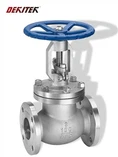
Now, let's take a look at some of our products. We offer a wide range of check valves, including the API6D Flange End Swing Type Check Valve and the API 6D BW Check Valve. These valves are designed to provide excellent wear resistance and reliable performance in various applications.


The API6D Flange End Swing Type Check Valve is a popular choice for many industries. Its swing - type design allows for smooth fluid flow and reduces the chances of wear. The flange end connection makes it easy to install and maintain.
The API 6D BW Check Valve, on the other hand, is ideal for applications where a butt - weld connection is required. It's designed to handle high - pressure and high - temperature environments, making it suitable for demanding applications in the oil and gas industry.
If you're in the market for a check valve with good wear resistance, we're here to help. Our team of experts can assist you in selecting the right valve for your specific application. We understand that every customer has unique requirements, and we're committed to providing customized solutions.
Whether you need a valve for a small - scale water treatment plant or a large - scale oil refinery, we have the expertise and the products to meet your needs. We offer competitive pricing, fast delivery, and excellent after - sales service.
So, if you're interested in learning more about our check valves or want to discuss your specific requirements, don't hesitate to reach out. Contact us today, and let's start a conversation about how we can help you with your check valve needs.
References
- Valve Handbook, 4th Edition, by Robert E. McKetta
- API 6D Standard for Pipeline Valves
- ASME B16.34 Standard for Valves - Flanged, Threaded, and Welding End