



As a supplier of Triple Offset Lug Type Butterfly Valves, I often encounter inquiries regarding the valve torque variation during the opening and closing process. Understanding this phenomenon is crucial for proper valve selection, installation, and operation. In this blog post, I will delve into the factors influencing torque variation and explain its significance in the performance of triple offset lug type butterfly valves.
Understanding Triple Offset Lug Type Butterfly Valves
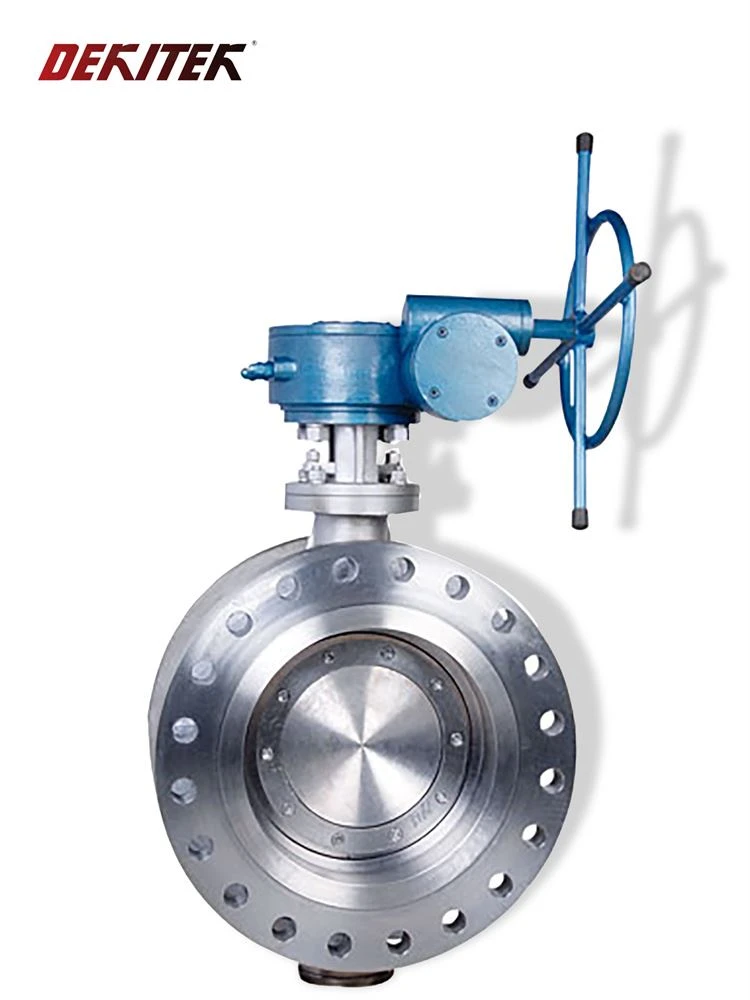
Before we discuss torque variation, let's briefly review the design and functionality of triple offset lug type butterfly valves. These valves are designed with three offsets: the shaft is offset from the center of the disc, the disc is offset from the centerline of the pipe, and the seating surface is conically offset. This unique design provides a bubble-tight shut-off and reduced wear on the sealing surfaces, making them suitable for a wide range of applications, including high-pressure and high-temperature environments.
The lug type design features threaded inserts on the valve body, allowing for easy installation between two flanges using bolts. This design is commonly used in applications where the valve needs to be installed or removed without disturbing the pipeline.
Factors Influencing Torque Variation
Several factors can influence the torque variation during the opening and closing process of a triple offset lug type butterfly valve. Understanding these factors is essential for predicting and managing torque requirements.
1. Sealing Surface Friction
One of the primary factors affecting torque variation is the friction between the sealing surfaces of the valve disc and the seat. During the closing process, the disc rotates and presses against the seat, creating a sealing force. The friction between these surfaces increases as the valve approaches the fully closed position, requiring more torque to complete the closing operation.
Conversely, during the opening process, the friction between the sealing surfaces decreases as the disc begins to separate from the seat. This results in a decrease in torque requirements as the valve moves towards the fully open position.
2. Fluid Pressure
Fluid pressure also plays a significant role in torque variation. As the fluid pressure increases, the force acting on the valve disc also increases, requiring more torque to open or close the valve. In high-pressure applications, the torque required to operate the valve can be significantly higher than in low-pressure applications.
It's important to note that the effect of fluid pressure on torque variation depends on the valve design and the direction of fluid flow. In some cases, the fluid pressure can assist in the opening or closing process, reducing the torque requirements.
3. Valve Size and Design
The size and design of the valve can also influence torque variation. Larger valves typically require more torque to operate due to the increased surface area of the disc and the higher sealing forces. Additionally, the design of the valve, including the shape of the disc and the type of seat, can affect the friction between the sealing surfaces and the overall torque requirements.
For example, valves with a more streamlined disc design may experience less friction and require less torque to operate compared to valves with a more complex disc shape. Similarly, valves with a soft seat material may require less torque to achieve a seal compared to valves with a metal seat.
4. Operating Temperature
Operating temperature can also have an impact on torque variation. As the temperature increases, the material properties of the valve components, such as the seat and the disc, can change, affecting the friction between the sealing surfaces and the overall torque requirements.
In high-temperature applications, the seat material may expand, increasing the sealing force and requiring more torque to operate the valve. Conversely, in low-temperature applications, the seat material may contract, reducing the sealing force and potentially leading to leakage if the torque is not adjusted accordingly.
Torque Variation Curve
The torque variation during the opening and closing process of a triple offset lug type butterfly valve can be represented by a torque variation curve. This curve shows the relationship between the valve position and the torque required to operate the valve.
Typically, the torque variation curve for a triple offset lug type butterfly valve has a characteristic shape. At the beginning of the opening process, the torque is relatively low as the disc starts to separate from the seat. As the valve approaches the fully open position, the torque may increase slightly due to the resistance of the fluid flow.
During the closing process, the torque increases gradually as the disc rotates and presses against the seat. The maximum torque is usually required at the fully closed position to achieve a tight seal.
Significance of Torque Variation
Understanding the torque variation during the opening and closing process of a triple offset lug type butterfly valve is essential for several reasons:
1. Proper Valve Selection
By considering the torque requirements, engineers can select the appropriate valve size, design, and actuator for the application. Choosing a valve with insufficient torque capacity can result in valve failure or leakage, while selecting a valve with excessive torque capacity can lead to unnecessary costs and energy consumption.
2. Actuator Sizing
The torque variation curve is used to determine the size and type of actuator required to operate the valve. The actuator must be capable of providing sufficient torque to open and close the valve under all operating conditions, including maximum fluid pressure and temperature.
3. System Design
Knowledge of torque variation is also important for system design. It helps engineers to determine the required power supply, control system, and piping layout to ensure the safe and efficient operation of the valve.
Comparing with Other Types of Butterfly Valves
To better understand the torque variation of triple offset lug type butterfly valves, it's useful to compare them with other types of butterfly valves, such as Double Offset Lug Type Butterfly Valve and Double Offset Flange End Type Butterfly Valve and Triple Offset Flange End Type Butterfly Valve.
Double offset butterfly valves have two offsets: the shaft is offset from the center of the disc, and the disc is offset from the centerline of the pipe. These valves typically have lower torque requirements compared to triple offset valves due to the reduced sealing forces. However, they may not provide the same level of bubble-tight shut-off as triple offset valves.
Flange end type butterfly valves are designed to be installed between two flanges using gaskets. They offer a different installation method compared to lug type valves but may have similar torque characteristics depending on the valve design and the application.
Conclusion
In conclusion, the torque variation during the opening and closing process of a triple offset lug type butterfly valve is influenced by several factors, including sealing surface friction, fluid pressure, valve size and design, and operating temperature. Understanding these factors and the torque variation curve is essential for proper valve selection, actuator sizing, and system design.
As a supplier of triple offset lug type butterfly valves, we have the expertise and experience to help you select the right valve for your application. Our valves are designed and manufactured to meet the highest quality standards, ensuring reliable performance and long service life.
If you are interested in learning more about our triple offset lug type butterfly valves or have any questions regarding torque variation, please feel free to contact us. We would be happy to discuss your specific requirements and provide you with a customized solution.
References
- "Butterfly Valve Handbook" by Valve Manufacturers Association
- "Valve Engineering and Technology" by John Blackhurst