



As a seasoned gate valve supplier, I am often asked about the size range of gate valves. This is a crucial topic for anyone involved in industries where gate valves are used, such as oil and gas, water treatment, and power generation. In this blog post, I will delve into the various factors that determine the size range of gate valves and provide insights to help you make informed decisions for your specific applications.
Understanding Gate Valves
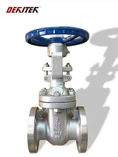
Before we discuss the size range, it's essential to have a basic understanding of gate valves. A gate valve is a type of valve that uses a gate or wedge-shaped disc to control the flow of fluid through a pipe. When the valve is fully open, the gate is lifted out of the flow path, allowing for unrestricted flow. Conversely, when the valve is fully closed, the gate blocks the flow completely. Gate valves are known for their ability to provide a tight shut-off, making them suitable for applications where leakage is not acceptable.
Factors Influencing the Size Range
The size range of gate valves is influenced by several factors, including the application requirements, the type of fluid being handled, and the pressure and temperature conditions. Let's take a closer look at each of these factors:
Application Requirements
The specific application for which the gate valve is intended plays a significant role in determining its size. For example, in large-scale industrial processes such as oil refineries or power plants, gate valves with larger diameters are often required to handle high flow rates. On the other hand, in smaller-scale applications such as residential plumbing or laboratory settings, smaller-sized gate valves may be sufficient.
Type of Fluid
The type of fluid being handled also affects the size range of gate valves. Different fluids have different viscosities, densities, and chemical properties, which can impact the flow characteristics and the required valve size. For instance, handling a highly viscous fluid may require a larger valve size to ensure smooth flow and prevent clogging.
Pressure and Temperature Conditions
The pressure and temperature conditions of the system in which the gate valve will be installed are critical considerations. High-pressure and high-temperature applications typically require gate valves with thicker walls and larger sizes to withstand the forces and maintain their integrity. In contrast, low-pressure and low-temperature applications may allow for the use of smaller and lighter-weight gate valves.
Common Size Ranges
Gate valves are available in a wide range of sizes, typically measured in inches or millimeters. The most common size range for gate valves is from 1/2 inch to 48 inches in diameter. However, larger sizes are also available for specialized applications. Here is a breakdown of the typical size ranges and their common applications:
Small-Sized Gate Valves (1/2 inch to 2 inches)
Small-sized gate valves are commonly used in residential and commercial plumbing applications, as well as in small industrial processes. They are suitable for low flow rates and relatively low-pressure systems. These valves are often made of materials such as brass or stainless steel and are available in various end connections, including threaded, socket weld, and flanged.
Medium-Sized Gate Valves (2 inches to 12 inches)
Medium-sized gate valves are widely used in a variety of industrial applications, including water treatment plants, chemical processing facilities, and HVAC systems. They can handle moderate flow rates and pressures and are typically made of materials such as cast iron, cast steel, or stainless steel. These valves are available in different body styles, such as rising stem and non-rising stem, to suit different installation requirements.
Large-Sized Gate Valves (12 inches to 48 inches)
Large-sized gate valves are primarily used in high-flow and high-pressure applications, such as oil and gas pipelines, power generation plants, and water distribution systems. They are designed to handle large volumes of fluid and are often made of heavy-duty materials such as forged steel or alloy steel. These valves require specialized installation and maintenance procedures due to their size and weight.
Extra-Large Gate Valves (Above 48 inches)
Extra-large gate valves are used in specialized applications where extremely high flow rates and pressures are involved, such as in large-scale water dams or offshore oil and gas platforms. These valves are custom-designed and manufactured to meet the specific requirements of the project and are often very expensive and complex to install.
Specialized Gate Valves and Their Size Ranges
In addition to the standard size ranges, there are also specialized gate valves available for specific applications. These valves may have unique features or materials that make them suitable for particular industries or operating conditions. Here are some examples of specialized gate valves and their typical size ranges:
Electric Actuator Gate Valve
Electric actuator gate valves are equipped with an electric motor to automate the opening and closing of the valve. They are commonly used in applications where remote operation or precise control is required. These valves are available in a wide range of sizes, from small to large, depending on the specific application.
Cast Steel Pressure Seal Gate Valve
Cast steel pressure seal gate valves are designed for high-pressure applications, typically in the range of 1500 to 4500 psi. They use a pressure seal bonnet design to ensure a tight seal under high-pressure conditions. These valves are available in sizes from 2 inches to 24 inches and are commonly used in power generation plants, refineries, and chemical processing facilities.
Duplex Stainless Steel Gate Valve
Duplex stainless steel gate valves are made of a special type of stainless steel that offers high strength, corrosion resistance, and good weldability. They are suitable for applications in harsh environments, such as offshore oil and gas platforms, chemical processing plants, and desalination plants. These valves are available in sizes from 1/2 inch to 24 inches and are often used in applications where resistance to corrosion and erosion is critical.
Choosing the Right Size of Gate Valve
Selecting the right size of gate valve for your application is crucial to ensure optimal performance and reliability. Here are some key considerations to keep in mind when choosing the size of a gate valve:
Flow Rate
Determine the required flow rate of the fluid through the valve. This will depend on the specific application and the capacity of the system. Make sure to choose a valve size that can handle the expected flow rate without causing excessive pressure drop.
Pressure and Temperature
Consider the pressure and temperature conditions of the system. Select a valve size that is rated for the maximum pressure and temperature that the valve will be exposed to. It's important to consult the valve manufacturer's specifications to ensure compatibility.
Pipe Size
The size of the pipe in which the gate valve will be installed is also an important factor. The valve size should match the pipe size to ensure a proper fit and to minimize flow disturbances. In some cases, reducers or expanders may be required to connect the valve to the pipe.
Future Expansion
If there is a possibility of future expansion or changes in the system, it's advisable to choose a valve size that allows for some flexibility. This can help avoid the need for costly valve replacements in the future.
Conclusion
In conclusion, the size range of gate valves is determined by various factors, including the application requirements, the type of fluid being handled, and the pressure and temperature conditions. Gate valves are available in a wide range of sizes, from small to large, to suit different applications. By understanding these factors and considering the key considerations when choosing the size of a gate valve, you can ensure that you select the right valve for your specific needs.


If you are in the market for gate valves or need further assistance in selecting the appropriate size and type of valve for your application, please do not hesitate to contact us. Our team of experts is ready to help you find the best solution for your requirements. We look forward to the opportunity to work with you and provide you with high-quality gate valves that meet your expectations.
References
- Valve Handbook, 4th Edition, by Robert W. Duffey
- Standards and Recommended Practices for Gate Valves, API 600
- Industrial Valves: Selection, Specification, and Installation, by Jack L. Parker