


Hey there! As a supplier of Triple Offset BW End Butterfly Valves, I often get asked about the role of the actuator in the operation of these valves. So, I thought I'd take a few minutes to break it down for you.
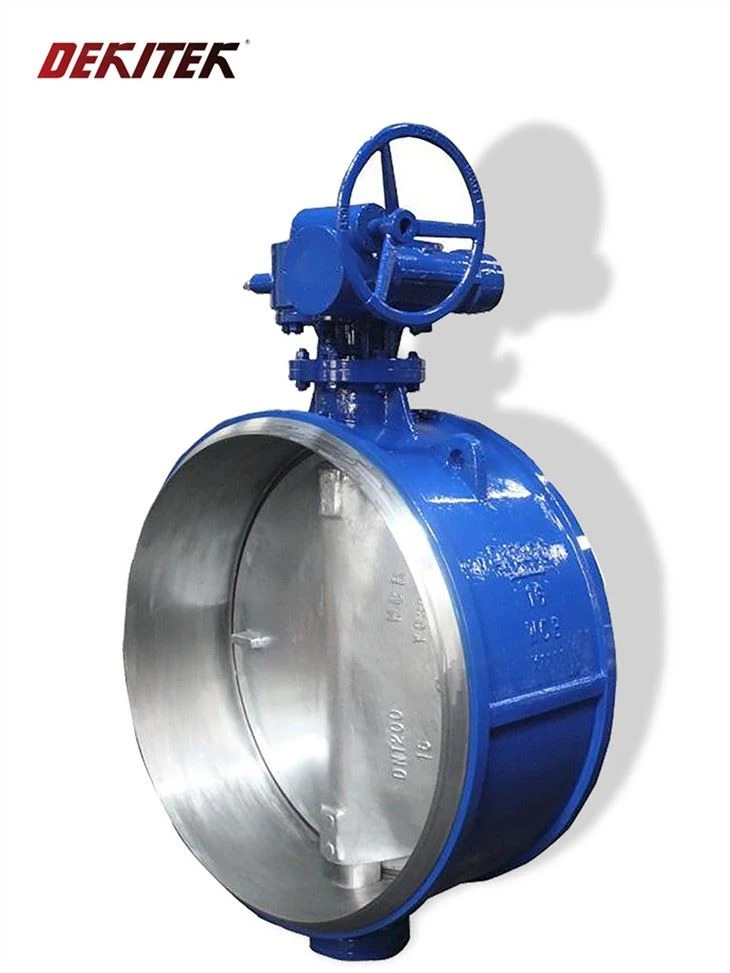
First off, let's talk about what a Triple Offset BW End Butterfly Valve is. It's a type of valve that's designed to control the flow of fluids in a piping system. The "triple offset" refers to the unique design of the valve, which involves three separate offsets that help to achieve a tight seal and reduce friction. The "BW end" means that the valve has butt-weld ends, which makes it easy to install in a pipeline.
Now, let's get to the main topic: the actuator. An actuator is a device that's used to open and close the valve. It's like the muscle behind the valve, providing the force needed to move the valve disc and control the flow of fluid. There are several different types of actuators that can be used with Triple Offset BW End Butterfly Valves, including electric, pneumatic, and hydraulic actuators.
Electric Actuators
Electric actuators are powered by electricity and use an electric motor to drive the valve disc. They're a popular choice because they're easy to install and operate, and they can be controlled remotely using a variety of control systems. Electric actuators are also very precise, which means they can provide accurate control of the valve position.
One of the main advantages of electric actuators is that they're very energy-efficient. They only use power when they're moving the valve disc, which means they can save a lot of energy over the long term. Electric actuators are also very reliable, and they require very little maintenance.
Pneumatic Actuators
Pneumatic actuators are powered by compressed air and use a piston or diaphragm to drive the valve disc. They're a popular choice because they're very fast and responsive, and they can provide a lot of force. Pneumatic actuators are also very simple and reliable, and they're easy to maintain.
One of the main advantages of pneumatic actuators is that they're very safe. They don't use electricity, which means there's no risk of electrical shock or fire. Pneumatic actuators are also very clean, and they don't produce any emissions.
Hydraulic Actuators
Hydraulic actuators are powered by hydraulic fluid and use a piston or cylinder to drive the valve disc. They're a popular choice because they can provide a lot of force, and they're very precise. Hydraulic actuators are also very reliable, and they can operate in harsh environments.
One of the main advantages of hydraulic actuators is that they're very powerful. They can provide a lot of force, which means they can be used to operate large valves. Hydraulic actuators are also very precise, which means they can provide accurate control of the valve position.
The Role of the Actuator in Valve Operation
So, what's the role of the actuator in the operation of a Triple Offset BW End Butterfly Valve? Well, the actuator is responsible for opening and closing the valve, as well as controlling the position of the valve disc. When the actuator receives a signal from the control system, it moves the valve disc to the desired position. This allows the valve to control the flow of fluid in the piping system.
The actuator also plays an important role in ensuring the safety and reliability of the valve. It's designed to provide the necessary force to open and close the valve, even under high pressure and temperature conditions. The actuator also has built-in safety features, such as limit switches and torque sensors, which help to prevent the valve from being damaged or overloaded.
Choosing the Right Actuator
When choosing an actuator for a Triple Offset BW End Butterfly Valve, there are several factors to consider. These include the size and type of the valve, the operating conditions of the piping system, and the control requirements of the application.
For example, if you're using a large valve in a high-pressure application, you may need a powerful hydraulic actuator to provide the necessary force. On the other hand, if you're using a small valve in a low-pressure application, an electric actuator may be more suitable.
It's also important to consider the control requirements of the application. If you need to control the valve remotely, you'll need an actuator that can be controlled using a control system. If you need to provide precise control of the valve position, you'll need an actuator that's very precise.
Other Related Products
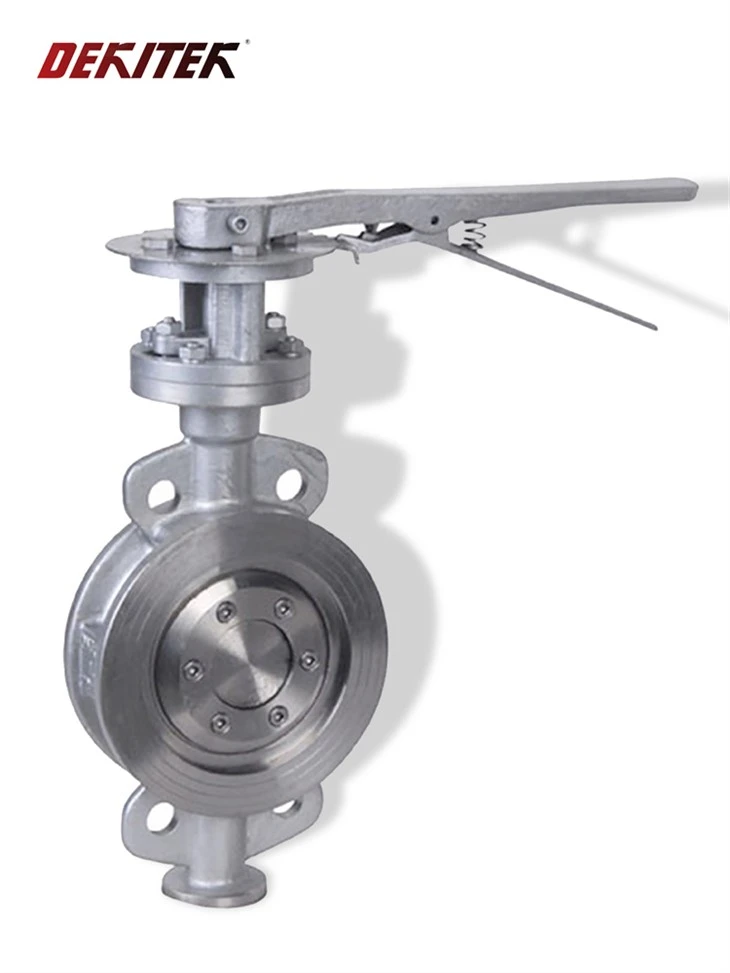
In addition to Triple Offset BW End Butterfly Valves and their actuators, we also offer a variety of other related products. For example, we have the Triple Offset Wafer Type Butterfly Valve. This type of valve is similar to the BW end version but comes in a wafer type, which has its own installation advantages and is suitable for some specific pipeline systems.
We also have the Wafer Type Metal Sealing Butterfly Valve. The metal sealing feature provides better durability and sealing performance, especially in applications where high temperatures and pressures are involved.
And if you're interested in another end - type with metal sealing, our BW Type Metal Sealing Butterfly Valve could be a great option. It combines the butt - weld end type with reliable metal sealing characteristics.
Conclusion
In conclusion, the actuator is a crucial component in the operation of a Triple Offset BW End Butterfly Valve. It provides the force needed to open and close the valve, as well as control the position of the valve disc. By choosing the right actuator for your application, you can ensure the safety, reliability, and efficiency of your piping system.
If you're in the market for a Triple Offset BW End Butterfly Valve or any of our related products, and you want to discuss your specific requirements or get more detailed information, don't hesitate to reach out. We're here to help you make the best choice for your project.
References
- Valve Handbook, 4th Edition, CRC Press
- Industrial Valves: Types, Selection, and Sizing, Elsevier