


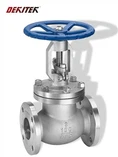

Hey there! As a supplier of Pneumatic Actuator Gate Valves, I often get asked about the maximum working temperature these valves can handle. It's a crucial question, especially when you're dealing with industrial applications where temperature can vary widely. So, let's dive right into it.
Understanding Pneumatic Actuator Gate Valves
First off, let me give you a quick rundown on what a Pneumatic Actuator Gate Valve is. These valves are used to control the flow of fluids in pipelines. The "pneumatic actuator" part means that the valve is opened and closed using compressed air. It's a reliable and efficient way to operate the valve, especially in large - scale industrial settings. You can check out more about Pneumatic Actuator Gate Valve on our website.
Factors Affecting the Maximum Working Temperature
The maximum working temperature of a Pneumatic Actuator Gate Valve isn't a fixed number. There are several factors that come into play.
Material of the Valve Body
The material used to make the valve body is a major determinant. For instance, if the valve body is made of carbon steel, it can generally withstand higher temperatures compared to some other materials. Carbon steel has good heat - resistance properties. We offer a Carbon Steel Flexible Wedge Gate Valve which is known for its durability and ability to handle relatively high - temperature applications.
Carbon steel can typically handle temperatures up to around 425 - 450 degrees Celsius. However, if you're in an application where the temperature goes beyond this range, you might need to consider other materials like stainless steel or alloy steel. Stainless steel can handle even higher temperatures, sometimes up to 600 - 700 degrees Celsius, depending on the specific grade.
Sealing Materials
The seals in the valve are also very sensitive to temperature. The seals are what prevent the fluid from leaking out of the valve. Common sealing materials include rubber, PTFE (polytetrafluoroethylene), and graphite.
Rubber seals are great for lower - temperature applications. They start to degrade at relatively low temperatures, usually around 100 - 150 degrees Celsius. PTFE has a higher temperature tolerance, up to about 260 degrees Celsius. Graphite, on the other hand, is an excellent choice for high - temperature applications. It can withstand temperatures well over 500 degrees Celsius and is often used in industrial settings where extreme heat is present.
Lubricants
Lubricants are used in the valve's moving parts to ensure smooth operation. Just like the sealing materials, lubricants also have temperature limits. If the temperature is too high, the lubricant can break down, which can lead to increased friction and wear in the valve. Different types of lubricants are available, each with its own temperature range. For high - temperature applications, special high - temperature lubricants need to be used.


Typical Maximum Working Temperatures
Based on the common materials and designs, here are some typical maximum working temperatures for Pneumatic Actuator Gate Valves:
- For valves with carbon steel bodies and PTFE seals, the maximum working temperature is usually around 200 - 250 degrees Celsius. This is a common combination for many industrial applications where the temperature isn't extremely high.
- If you have a valve with a carbon steel body and graphite seals, the maximum working temperature can go up to 400 - 450 degrees Celsius. This setup is suitable for more demanding applications where higher temperatures are involved.
- Valves made of stainless steel with graphite seals can handle temperatures up to 600 degrees Celsius or even higher in some cases. These are often used in power plants, refineries, and other high - temperature industrial environments.
Comparing with Electric Actuator Gate Valves
It's worth noting that when comparing Pneumatic Actuator Gate Valves with Electric Actuator Gate Valves, the maximum working temperature considerations are similar in terms of the valve body and sealing materials. However, electric actuators have their own set of temperature limitations.
Electric actuators contain electrical components like motors and control circuits. These components can be sensitive to high temperatures. Generally, the maximum ambient temperature for electric actuators is around 60 - 70 degrees Celsius. If the temperature in the environment goes beyond this, special cooling or insulation measures need to be taken to protect the electric actuator.
Importance of Knowing the Maximum Working Temperature
Knowing the maximum working temperature of your Pneumatic Actuator Gate Valve is crucial for several reasons.
Safety
If the valve is exposed to temperatures higher than its maximum working temperature, it can lead to failures. The seals can break, the valve body can warp, and the actuator can malfunction. This can result in leaks, which can be extremely dangerous, especially if the fluid being transported is toxic, flammable, or under high pressure.
Performance
Operating the valve within its temperature limits ensures optimal performance. The valve will open and close smoothly, and the flow control will be accurate. If the temperature is too high, the valve may not operate as intended, leading to inefficiencies in the industrial process.
Longevity
Using the valve within its temperature range extends its lifespan. High temperatures can cause accelerated wear and tear on the valve components. By keeping the temperature in check, you can avoid premature failure and reduce maintenance costs.
How to Determine the Right Valve for Your Temperature Requirements
When you're looking for a Pneumatic Actuator Gate Valve for your specific application, here are the steps you should follow:
- Identify the Temperature Range: First, figure out the maximum temperature that the valve will be exposed to in your application. This may require some monitoring or consulting with process engineers.
- Consider the Fluid: The type of fluid being transported also matters. Some fluids can react with the valve materials at high temperatures, which can affect the valve's performance.
- Choose the Right Materials: Based on the temperature range and the fluid, select the appropriate valve body material, sealing material, and lubricant.
- Consult with Experts: If you're unsure, don't hesitate to reach out to us. We have a team of experts who can help you choose the right valve for your specific needs.
Wrapping Up
In conclusion, the maximum working temperature of a Pneumatic Actuator Gate Valve depends on multiple factors such as the valve body material, sealing materials, and lubricants. It can range from around 100 degrees Celsius for valves with rubber seals to over 600 degrees Celsius for valves made of stainless steel with graphite seals.
If you're in the market for a Pneumatic Actuator Gate Valve and need help determining the right one for your temperature requirements, we're here to assist. Contact us to start a discussion about your specific needs and let's find the perfect valve for your industrial application.
References
- Valve Handbook, Second Edition by Leslie P. Preece
- Industrial Valve Technology by John R. Arnold