


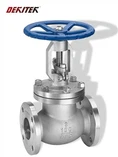

The lifespan of a check valve is a critical consideration for industries that rely on these essential components to ensure the proper flow of fluids and gases in their systems. As a reputable check valve supplier, we understand the importance of providing our customers with high-quality products that offer long-lasting performance. In this blog post, we will explore the factors that influence the lifespan of a check valve and provide insights on how to maximize its durability.
Factors Affecting the Lifespan of a Check Valve
1. Material Quality
The choice of materials used in the construction of a check valve plays a significant role in determining its lifespan. High-quality materials, such as stainless steel, brass, and bronze, are known for their corrosion resistance, strength, and durability. These materials can withstand harsh operating conditions, including high temperatures, pressures, and exposure to corrosive substances. For example, in applications where the fluid contains chemicals or abrasive particles, a check valve made from corrosion-resistant materials will be less likely to suffer from premature wear and failure.
2. Design and Manufacturing
The design and manufacturing process of a check valve also impact its lifespan. A well-designed check valve will have a smooth flow path, which reduces turbulence and minimizes the risk of damage to the valve components. Additionally, proper manufacturing techniques, such as precision machining and quality control, ensure that the valve meets the required standards and specifications. At our company, we use advanced manufacturing processes and state-of-the-art equipment to produce check valves that are reliable and long-lasting.
3. Operating Conditions
The operating conditions of a check valve can have a significant impact on its lifespan. Factors such as temperature, pressure, flow rate, and the type of fluid or gas being handled can all affect the performance of the valve. For example, in high-temperature applications, the valve materials may expand or contract, which can lead to leaks or reduced sealing performance. Similarly, high-pressure applications can put additional stress on the valve components, increasing the risk of failure. It is essential to select a check valve that is designed to withstand the specific operating conditions of your system.
4. Maintenance and Care
Proper maintenance and care are crucial for extending the lifespan of a check valve. Regular inspections, cleaning, and lubrication can help prevent the buildup of dirt, debris, and corrosion, which can cause the valve to malfunction. Additionally, it is important to follow the manufacturer's recommended maintenance schedule and procedures to ensure that the valve is operating at its optimal performance. At our company, we provide our customers with detailed maintenance instructions and support to help them keep their check valves in good working condition.


Typical Lifespan of Different Types of Check Valves
1. Swing Check Valves
Swing check valves are one of the most common types of check valves used in industrial applications. They are designed to allow fluid or gas to flow in one direction and prevent backflow. The lifespan of a swing check valve can vary depending on the factors mentioned above, but typically, they can last anywhere from 5 to 15 years. However, in applications where the valve is subjected to frequent cycling or harsh operating conditions, the lifespan may be shorter.
2. Lift Check Valves
Lift check valves are another popular type of check valve that uses a disc that is lifted off its seat to allow flow and then drops back down to prevent backflow. The lifespan of a lift check valve is also influenced by the same factors as swing check valves, and they can typically last between 5 to 15 years. Similar to swing check valves, the lifespan may be reduced in applications with demanding operating conditions.
3. Ball Check Valves
Ball check valves use a ball that is pushed off its seat by the flow of fluid or gas and then returns to its seat to prevent backflow. These valves are known for their simple design and reliable operation. The lifespan of a ball check valve can range from 5 to 20 years, depending on the quality of the materials, operating conditions, and maintenance.
Maximizing the Lifespan of Your Check Valve
1. Select the Right Valve
Choosing the right check valve for your application is the first step in maximizing its lifespan. Consider the operating conditions, such as temperature, pressure, flow rate, and the type of fluid or gas being handled, when selecting a valve. It is also important to choose a valve from a reputable manufacturer that offers high-quality products and reliable customer support. We offer a wide range of check valves, including API 6D BW Check Valve and API6D Flange End Swing Type Check Valve, which are designed to meet the diverse needs of our customers.
2. Install the Valve Correctly
Proper installation is essential for ensuring the long-term performance of a check valve. Follow the manufacturer's installation instructions carefully and ensure that the valve is installed in the correct orientation and position. Improper installation can lead to leaks, reduced sealing performance, and premature failure of the valve.
3. Monitor and Maintain the Valve
Regular monitoring and maintenance are key to maximizing the lifespan of a check valve. Keep an eye on the valve's performance and look for any signs of wear, damage, or malfunction. Perform regular inspections, cleaning, and lubrication as recommended by the manufacturer. If you notice any issues with the valve, address them promptly to prevent further damage.
4. Upgrade When Necessary
As technology advances and your operating conditions change, it may be necessary to upgrade your check valve to ensure optimal performance. Consider upgrading to a valve with improved materials, design, or features that can better withstand the demands of your system. We can help you evaluate your needs and recommend the most suitable check valve for your application.
Conclusion
The lifespan of a check valve is influenced by several factors, including material quality, design and manufacturing, operating conditions, and maintenance. By selecting the right valve, installing it correctly, monitoring and maintaining it regularly, and upgrading when necessary, you can maximize the lifespan of your check valve and ensure the reliable operation of your system. As a trusted check valve supplier, we are committed to providing our customers with high-quality products and excellent customer service. If you have any questions or need assistance in selecting the right check valve for your application, please do not hesitate to contact us. We look forward to working with you to meet your check valve needs.
References
- "Valve Selection and Sizing Handbook" by Valve Manufacturers Association
- "Industrial Valves: A Guide to Selection, Specification, and Application" by John P. McKetta