



As a supplier of Triple Offset Lug Type Butterfly Valves, I often encounter inquiries about the installation orientation requirements for these valves. In this blog post, I'll delve into the important aspects of the installation orientation of Triple Offset Lug Type Butterfly Valves, exploring why it matters and providing guidance on how to ensure proper installation.
Understanding the Triple Offset Lug Type Butterfly Valve
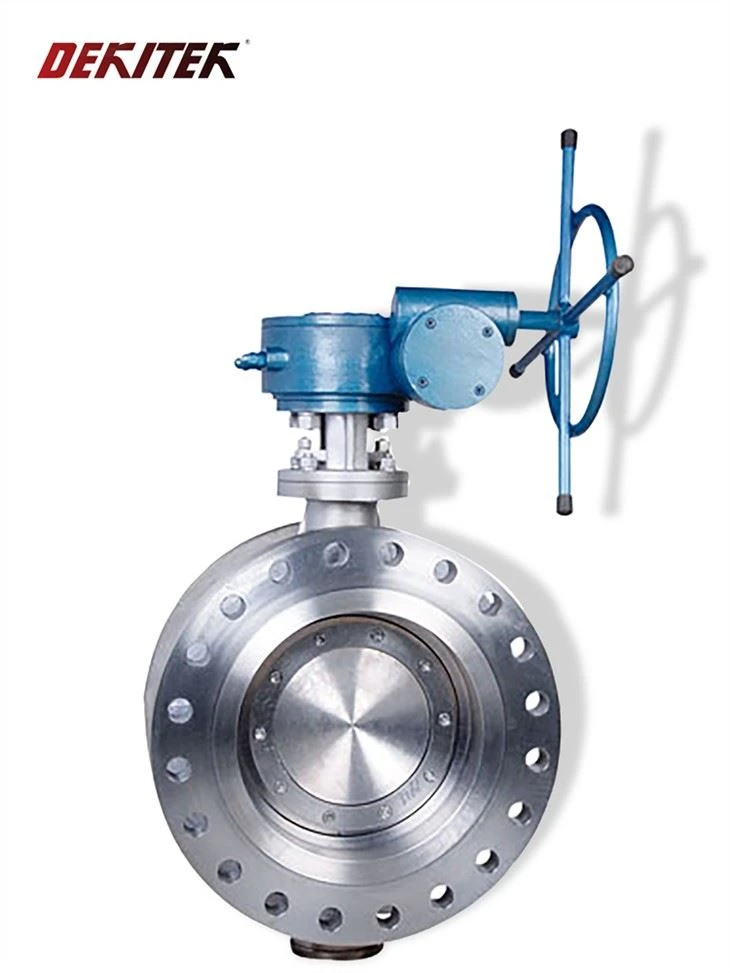
Before discussing the installation orientation, it's essential to understand the basic structure and working principle of the Triple Offset Lug Type Butterfly Valve. This type of valve features three offsets: one offset from the center of the disc, one offset from the center of the pipe bore, and a third offset in the conical sealing surface. These offsets allow for a virtually friction - free opening and closing operation, making it suitable for high - pressure, high - temperature applications and providing excellent sealing performance.
The lug type design lets the valve be installed between two flanges and secured with bolts. This design is particularly useful in systems where the valve needs to be removed or replaced without disturbing the entire pipeline.
Importance of Installation Orientation
The installation orientation of a Triple Offset Lug Type Butterfly Valve is crucial for several reasons. Firstly, it directly affects the valve's sealing performance. If the valve is installed incorrectly, the sealing surfaces may not align properly, leading to leakage. This is especially critical in applications where the fluid being controlled is hazardous, expensive, or where tight shut - off is required.
Secondly, the correct installation orientation ensures smooth operation of the valve. The valve's actuator is designed to work most efficiently when the valve is installed in the recommended orientation. Incorrect installation can cause excessive wear on the valve components, reducing the valve's service life and increasing maintenance costs.
Recommended Installation Orientations
Horizontal Installation
In many cases, horizontal installation of the Triple Offset Lug Type Butterfly Valve is preferred. When installed horizontally, the valve's disc can open and close without being affected by the force of gravity on one side. This helps to ensure even wear on the sealing surfaces and consistent performance over time.
However, when installing the valve horizontally, it's important to ensure that the valve's stem is in a vertical position. This allows for proper lubrication of the stem and reduces the risk of debris accumulation in the stem area, which could impede the valve's operation.
Vertical Installation
Vertical installation is also possible and may be necessary in some pipeline layouts. When installing the valve vertically, the flow direction should be considered. It is generally recommended that the flow should be from the bottom to the top of the valve. This orientation helps to prevent the accumulation of debris at the bottom of the valve, which could cause blockages or damage to the sealing surfaces.
In addition, for vertical installations, the actuator should be installed at the top of the valve. This ensures that the actuator can operate the valve smoothly and that any potential leakage from the valve stem does not affect the actuator.
Considerations for Different Applications
High - Pressure Applications
In high - pressure applications, the installation orientation becomes even more critical. The valve needs to be installed in a way that can withstand the high pressure without compromising its sealing performance. For high - pressure horizontal installations, additional support may be required to prevent the valve from being deformed under pressure.
High - Temperature Applications
In high - temperature applications, thermal expansion can affect the valve's performance. When installing the valve in a high - temperature environment, it's important to leave enough space for thermal expansion. In vertical installations, the expansion should be considered in the vertical direction to avoid stress on the valve components.
Comparison with Other Types of Butterfly Valves
It's interesting to compare the installation orientation requirements of the Triple Offset Lug Type Butterfly Valve with other types of butterfly valves, such as the Triple Offset Flange End Type Butterfly Valve, Flange End Metal Sealing Butterfly Valve, and Double Offset Wafer Type Butterfly Valve.
The Triple Offset Flange End Type Butterfly Valve has similar installation principles to the lug type, but the flange connection requires more attention to the alignment of the flanges. The Flange End Metal Sealing Butterfly Valve, on the other hand, may have different sealing requirements, and its installation orientation should be adjusted accordingly to ensure proper metal - to - metal sealing. The Double Offset Wafer Type Butterfly Valve is generally more compact and may have different installation constraints due to its wafer - type design.
Installation Steps and Precautions
When installing a Triple Offset Lug Type Butterfly Valve, the following steps should be followed:
- Inspect the Valve: Before installation, carefully inspect the valve for any damage during transportation. Check the sealing surfaces, the stem, and the actuator for any signs of wear or damage.
- Prepare the Pipeline: Clean the pipeline flanges to remove any debris, rust, or paint. Ensure that the flanges are flat and have the correct bolt holes.
- Position the Valve: Place the valve between the pipeline flanges according to the recommended installation orientation. Align the bolt holes on the valve lugs with the holes on the flanges.
- Install the Bolts: Insert the bolts through the holes and tighten them evenly in a cross - pattern. Do not over - tighten the bolts, as this can damage the valve or the flanges.
- Connect the Actuator: If the valve is equipped with an actuator, connect it to the valve stem according to the manufacturer's instructions. Make sure the actuator is properly aligned and secured.
Contact for Purchase and Consultation
If you are in the market for a high - quality Triple Offset Lug Type Butterfly Valve or have any questions about valve installation, operation, or maintenance, please feel free to contact us. Our team of experts is ready to provide you with detailed information and assist you in finding the right valve solution for your specific application.

References
- Valve Handbook, Emerson Process Management
- Industrial Valves: Selection, Specification, and Installation, McGraw - Hill Professional