


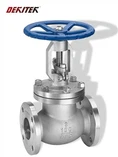

Hey there! As a supplier of Double Offset Lug Type Butterfly Valves, I've spent a good deal of time thinking about the ins and outs of these valves. One question that often comes up in discussions with customers and industry folks is, "What is the influence of the double offset on the valve's dynamic stability?" Well, let's dig into it.
First off, let's quickly go over what a Double Offset Lug Type Butterfly Valve is. Picture a valve with a disc that rotates to control the flow of fluid. The "double offset" part means that the valve's shaft is offset from the center of the disc and the center of the pipe. This design is different from a single - offset or non - offset valve, and it brings some unique features to the table.
When it comes to dynamic stability, the double offset has a significant impact. One of the main benefits is reduced friction. In a non - offset or single - offset valve, the disc rubs against the seat throughout the entire opening and closing process. This friction can cause wear and tear on the valve components, leading to leaks over time and affecting the valve's ability to maintain a stable position during operation.
With a Double Offset Lug Type Butterfly Valve, the double offset design allows the disc to disengage from the seat as it starts to open. This means that there's less contact between the disc and the seat during most of the opening and closing cycle. As a result, the friction is greatly reduced. Less friction not only extends the lifespan of the valve but also makes the valve's operation smoother. A smoother operation translates to better dynamic stability because the valve is less likely to experience sudden jerks or vibrations that could disrupt the flow control.
Another aspect of dynamic stability influenced by the double offset is the sealing performance. A well - sealed valve is crucial for maintaining a stable flow rate and preventing leaks. The double offset design creates a cam - like action when the valve is closing. As the disc approaches the fully closed position, it gradually presses against the seat with increasing force. This ensures a tight and reliable seal, even under high - pressure conditions.
A reliable seal is essential for dynamic stability because it helps to maintain a consistent pressure and flow within the pipeline. If there were leaks in the valve, the pressure could fluctuate, causing the flow to become unstable. This instability can lead to problems in the entire system, such as reduced efficiency, damage to other equipment, and safety hazards.
Now, let's talk about how the double offset affects the valve's response time. In many industrial applications, the ability of a valve to quickly and accurately respond to changes in flow or pressure is crucial for maintaining dynamic stability. The double offset design allows for a faster opening and closing speed compared to non - offset or single - offset valves.
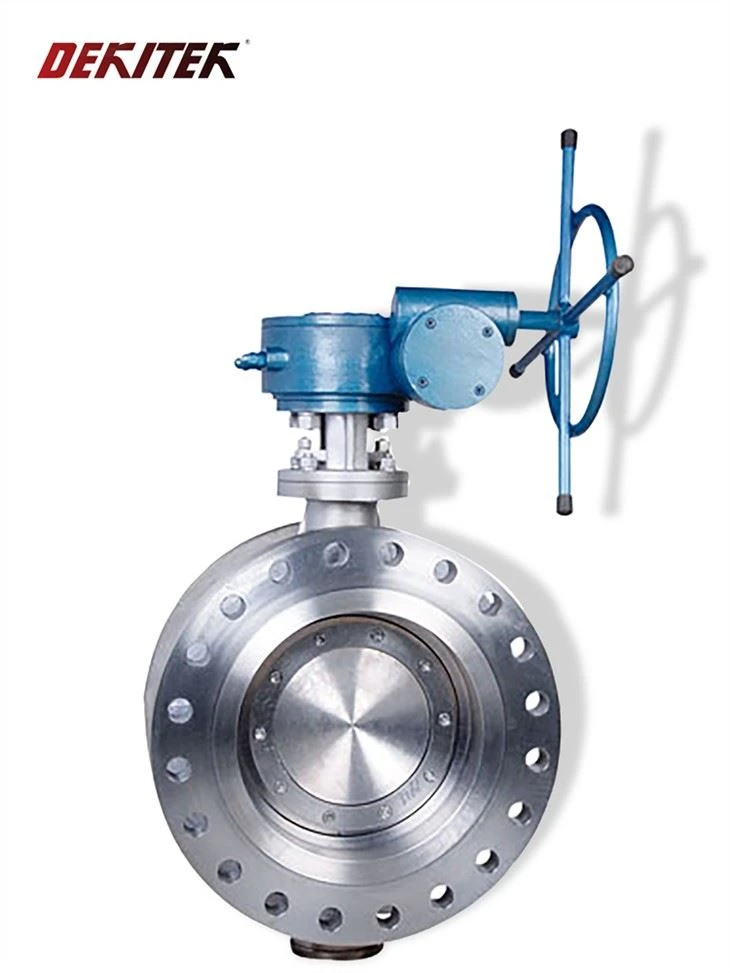
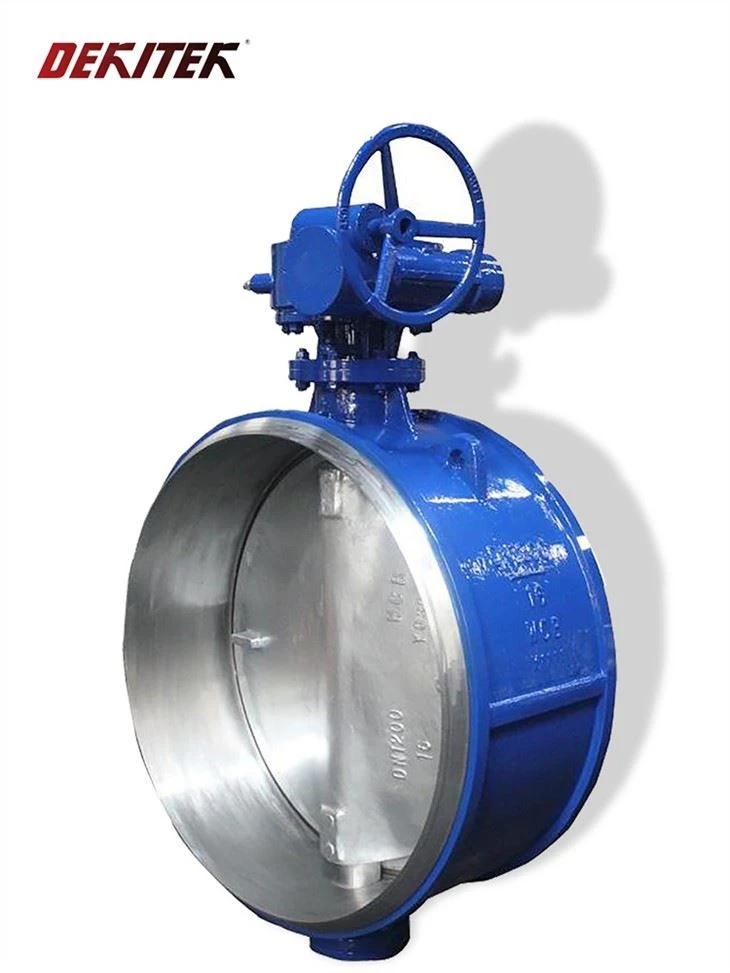
The reduced friction and the cam - like action of the double offset make it easier for the valve to move between the open and closed positions. This faster response time means that the valve can adapt more quickly to changes in the system, helping to keep the flow and pressure stable. For example, in a process where the flow rate needs to be adjusted rapidly, a Double Offset Lug Type Butterfly Valve can respond promptly, preventing any sudden changes in the system that could lead to instability.
It's also worth mentioning that the double offset design provides better control over the flow. The valve can be precisely positioned at different opening angles to regulate the flow rate. This precise control is essential for maintaining dynamic stability in systems where the flow needs to be carefully monitored and adjusted.
However, it's important to note that while the double offset offers many advantages for dynamic stability, proper installation and maintenance are still crucial. If the valve is not installed correctly, it may not operate as intended, and its dynamic stability could be compromised. Regular maintenance, such as checking the valve components for wear and tear, lubricating the moving parts, and ensuring a proper seal, is also necessary to keep the valve in optimal condition.
In comparison to other types of butterfly valves, like the Triple Offset Flange End Type Butterfly Valve and the Triple Offset BW End Butterfly Valve, the Double Offset Lug Type Butterfly Valve has its own unique characteristics. Triple - offset valves are often used in more high - end applications where extremely tight sealing and high - pressure resistance are required. While they also offer good dynamic stability, their design and functionality are more complex and costly.
On the other hand, the Double Offset Lug Type Butterfly Valve provides a good balance between performance and cost - effectiveness. It offers sufficient dynamic stability for a wide range of industrial applications, from water treatment plants to chemical processing facilities.
If you're in the market for a valve that can provide reliable dynamic stability, our Double Offset Lug Type Butterfly Valve is definitely worth considering. We've been in the business for a long time, and we know how important it is to have a valve that can perform consistently under different operating conditions.
Whether you're looking to replace an old valve or install a new one in a new project, our team of experts can help you find the right solution for your needs. We can provide technical support, advice on installation and maintenance, and ensure that you get the most out of your valve.
So, if you're interested in learning more about our Double Offset Lug Type Butterfly Valves or want to discuss your specific requirements, don't hesitate to get in touch. We're here to help you ensure that your systems have the best possible dynamic stability with our high - quality valves.
References:
- Valve Handbook, Various Industry Publications
- Technical Papers on Butterfly Valve Design and Performance