



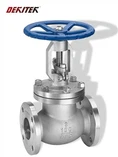

The flow capacity of an electric actuator gate valve is a critical parameter that determines its efficiency and effectiveness in various industrial applications. As a leading supplier of Electric Actuator Gate Valves, it is essential to understand what flow capacity means, how it is measured, and the factors that influence it.
Understanding Flow Capacity
Flow capacity refers to the volume of fluid (liquid or gas) that can pass through a valve in a given period under specific conditions. It is typically expressed in cubic meters per hour (m³/h), cubic feet per minute (CFM), or other volumetric flow units. The flow capacity of a valve is crucial because it directly affects the performance of the entire piping system. A valve with insufficient flow capacity can cause pressure drops, reduced flow rates, and inefficiencies in the system.
Measuring Flow Capacity
The flow capacity of an electric actuator gate valve is commonly measured using the flow coefficient, denoted as Cv. The Cv value represents the number of US gallons per minute (GPM) of water at 60°F that will flow through a valve with a pressure drop of 1 psi across the valve. A higher Cv value indicates a greater flow capacity.
The formula to calculate the Cv value is:
[ C_v=\frac{Q}{\sqrt{\Delta P}} ]
Where:
- ( Q ) is the flow rate in GPM
- ( \Delta P ) is the pressure drop across the valve in psi
Valve manufacturers typically provide Cv values for their products in technical data sheets. These values are determined through laboratory testing under standardized conditions.
Factors Influencing Flow Capacity
Several factors can influence the flow capacity of an electric actuator gate valve:
- Valve Size: Larger valve sizes generally have higher flow capacities. This is because a larger valve has a larger cross - sectional area, allowing more fluid to pass through. For example, a 10 - inch gate valve will have a significantly higher flow capacity than a 2 - inch gate valve.
- Valve Design: The internal design of the valve also plays a crucial role. A well - designed valve with a smooth flow path and minimal obstructions will have a higher flow capacity compared to a valve with a complex or restricted design. For instance, a straight - through gate valve design allows for a more direct flow of fluid, resulting in less turbulence and higher flow capacity.
- Actuator Type and Operation: While the actuator is mainly responsible for opening and closing the valve, its operation speed and accuracy can also affect flow capacity. A slow - acting actuator may not be able to fully open the valve in a timely manner, leading to reduced flow rates. Additionally, an inaccurate actuator may not position the valve disc precisely, causing partial blockages and decreased flow capacity.
- Fluid Properties: The properties of the fluid being transported, such as viscosity, density, and temperature, can impact flow capacity. Highly viscous fluids, for example, will flow more slowly through a valve compared to less viscous fluids. Temperature can also affect fluid density and viscosity, further influencing the flow characteristics.
- Pressure Drop: As mentioned earlier, the pressure drop across the valve is directly related to the flow capacity. A higher pressure drop can restrict the flow of fluid through the valve. Therefore, it is important to design the piping system to minimize pressure drops and ensure optimal flow.
Applications and Flow Capacity Requirements
Different industrial applications have varying flow capacity requirements for electric actuator gate valves.
- Water Treatment Plants: In water treatment facilities, gate valves are used to control the flow of water through different stages of the treatment process. High - flow capacity valves are often required to handle large volumes of water efficiently. For example, in the intake and discharge lines of a water treatment plant, valves with large Cv values are necessary to ensure a continuous and adequate supply of water.
- Oil and Gas Industry: In the oil and gas sector, gate valves are used in pipelines for transporting crude oil, natural gas, and refined products. The flow capacity requirements depend on the size of the pipeline and the production volume. High - pressure and high - flow capacity valves are essential to maintain the efficient operation of the pipeline system.
- Power Generation Plants: Power plants, whether they are coal - fired, gas - fired, or nuclear, use gate valves to control the flow of steam, water, and other fluids. The flow capacity of these valves is critical for maintaining the proper operation of the power generation process. For example, in a steam turbine system, valves with precise flow control and high flow capacity are required to regulate the steam flow and ensure optimal power output.
Our Product Range and Flow Capacity
As a supplier of Electric Actuator Gate Valves, we offer a wide range of products with different flow capacities to meet the diverse needs of our customers. Our Stainless Steel Flexible Wedge Gate Valve is designed for applications where corrosion resistance and high flow capacity are required. The flexible wedge design ensures a tight seal and smooth flow of fluid, resulting in excellent flow performance.
Our Pneumatic Actuator Gate Valve provides a reliable and efficient solution for applications that require quick opening and closing. The pneumatic actuator allows for precise control of the valve position, which can be adjusted to optimize the flow capacity according to the specific requirements of the system.
We also offer Carbon Steel Flexible Wedge Gate Valve, which is suitable for high - pressure and high - temperature applications. The carbon steel construction provides strength and durability, while the flexible wedge design ensures good flow characteristics and a tight seal.
Importance of Choosing the Right Flow Capacity
Selecting the right flow capacity for an electric actuator gate valve is crucial for the overall performance and efficiency of the piping system. An undersized valve can lead to increased pressure drops, reduced flow rates, and excessive energy consumption. On the other hand, an oversized valve can be more expensive, take up more space, and may not provide accurate flow control.
When choosing a valve, it is important to consider the specific requirements of the application, including the required flow rate, pressure range, fluid properties, and operating conditions. Our team of experts can assist you in selecting the most suitable valve with the appropriate flow capacity for your project.


Conclusion
The flow capacity of an electric actuator gate valve is a vital parameter that determines its performance in various industrial applications. Understanding the factors that influence flow capacity, such as valve size, design, actuator operation, fluid properties, and pressure drop, is essential for selecting the right valve for your system.
As a reliable supplier of Electric Actuator Gate Valves, we are committed to providing high - quality products with a wide range of flow capacities to meet the diverse needs of our customers. If you are looking for a gate valve with optimal flow capacity for your application, please feel free to contact us to initiate a procurement discussion. Our team of experts will be happy to assist you in finding the best solution for your project.
References
- Crane Co., “Flow of Fluids Through Valves, Fittings, and Pipe,” 1988.
- ASME Standards for Fluid Flow Measurement in Pipes.
- Valve Manufacturers Association (VMA) Technical Documents.