


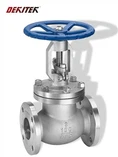

When it comes to industrial fluid control systems, double offset lug type butterfly valves are a popular choice due to their efficiency, reliability, and cost - effectiveness. As a supplier of double offset lug type butterfly valves, I often encounter inquiries regarding the flow capacity differences among valves of different sizes. In this blog post, I will delve into this topic to provide a comprehensive understanding.
Understanding Double Offset Lug Type Butterfly Valves
Before we discuss the flow capacity, it's essential to understand what double offset lug type butterfly valves are. These valves feature two offsets: one is the stem offset from the center of the disc, and the other is the stem offset from the centerline of the pipe. This design allows for reduced friction during operation, longer service life, and improved sealing performance. The lug type construction enables easy installation between flanges and provides support for the valve in the pipeline.
Factors Affecting Flow Capacity
The flow capacity of a double offset lug type butterfly valve is primarily determined by several factors, including the valve size, the disc design, and the operating conditions.
Valve Size
Valve size is perhaps the most obvious factor influencing flow capacity. Larger valves generally have a higher flow capacity because they offer a larger cross - sectional area for the fluid to pass through. For instance, a 12 - inch double offset lug type butterfly valve will typically allow more fluid to flow than a 6 - inch one under the same pressure and temperature conditions.
To illustrate this, we can refer to the concept of the valve's Cv value, which is a measure of the flow capacity of a valve. The Cv value is defined as the number of US gallons per minute of water at 60°F that will flow through a valve with a pressure drop of 1 psi. A larger valve size usually corresponds to a higher Cv value.
Disc Design
The design of the valve disc also plays a crucial role in determining flow capacity. A well - designed disc can minimize flow resistance and turbulence, thereby increasing the flow capacity. Some modern double offset lug type butterfly valves feature streamlined discs that are specifically engineered to optimize flow. For example, a disc with a smooth surface and a carefully contoured shape can reduce the energy losses associated with fluid flow, allowing more fluid to pass through the valve.
Operating Conditions
Operating conditions such as pressure, temperature, and fluid viscosity can significantly affect the flow capacity of a double offset lug type butterfly valve. Higher pressures can increase the flow rate through the valve, assuming the valve is designed to withstand the pressure. Temperature can also impact the fluid's properties, such as its viscosity. A decrease in fluid viscosity (which often occurs with an increase in temperature) can lead to an increase in flow capacity, as the fluid can flow more easily through the valve.
Comparing Different Sizes of Double Offset Lug Type Butterfly Valves
Let's take a closer look at how different sizes of double offset lug type butterfly valves compare in terms of flow capacity.
Small - Sized Valves (2 - 6 inches)
Small - sized double offset lug type butterfly valves are commonly used in applications where space is limited or where a relatively low flow rate is required. These valves are often found in domestic plumbing systems, small - scale industrial processes, and HVAC systems. While their flow capacity is limited compared to larger valves, they are highly efficient for their intended applications.
For example, in a small - scale water treatment plant, a 4 - inch double offset lug type butterfly valve may be used to control the flow of water into a filtration unit. The valve's relatively small size allows for easy installation in a compact space, and its flow capacity is sufficient to meet the requirements of the filtration process.
Medium - Sized Valves (8 - 16 inches)
Medium - sized valves offer a balance between flow capacity and installation requirements. They are widely used in a variety of industrial applications, including chemical processing, power generation, and oil and gas pipelines. These valves can handle moderate to high flow rates and are capable of withstanding relatively high pressures.
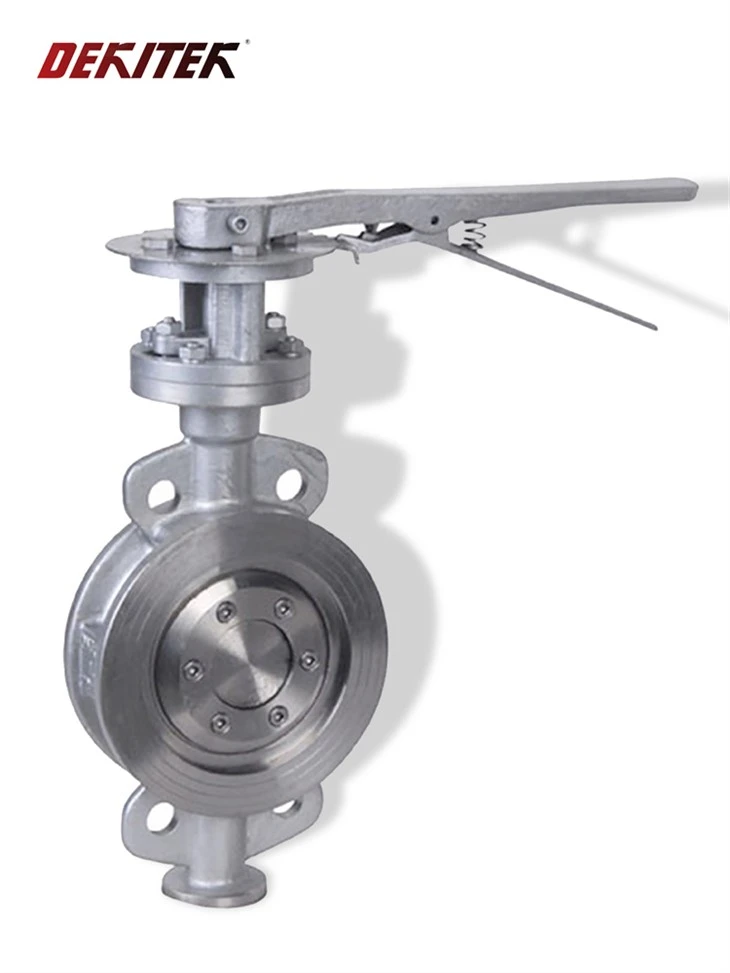
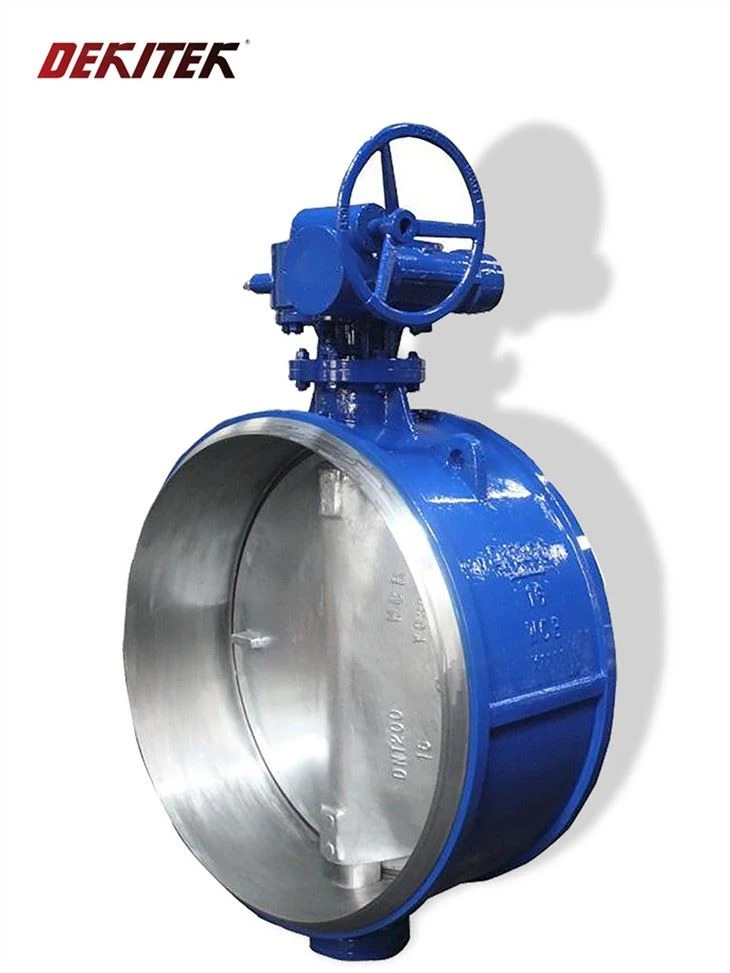
In a chemical processing plant, an 8 - inch double offset lug type butterfly valve might be used to control the flow of a chemical solution between different processing units. The valve's flow capacity is large enough to ensure efficient transfer of the solution, while its size is still manageable for installation and maintenance.
Large - Sized Valves (18 inches and above)
Large - sized double offset lug type butterfly valves are typically used in applications where extremely high flow rates are required, such as in large - scale water supply systems, major oil and gas pipelines, and power plants. These valves are designed to handle large volumes of fluid and can withstand high pressures and temperatures.
For example, in a large - scale water treatment facility that supplies water to a city, a 24 - inch double offset lug type butterfly valve may be used to control the flow of water from a reservoir to the treatment plant. The valve's large size and high flow capacity are essential to meet the city's water demand.
Applications and Considerations
When selecting a double offset lug type butterfly valve based on flow capacity, it's important to consider the specific application requirements.
In some applications, such as in a fire protection system, a high flow capacity is crucial to ensure that an adequate amount of water can be delivered to the affected area in case of a fire. In this case, a larger valve size may be necessary. On the other hand, in a precision chemical dosing system, a smaller valve with a more precise flow control may be preferred, even though its flow capacity is relatively low.
It's also important to consider the compatibility of the valve with the fluid being handled. Some fluids, such as corrosive chemicals or abrasive slurries, may require special materials or coatings for the valve to ensure long - term performance and reliability.
Related Products
In addition to double offset lug type butterfly valves, there are other types of butterfly valves that may be suitable for different applications. For example, Wafer Type Metal Sealing Butterfly Valve is a popular choice for applications where a compact design and a reliable seal are required. The wafer type construction allows for easy installation between flanges, and the metal sealing provides excellent performance in high - pressure and high - temperature environments.
Another option is the Triple Offset Wafer Type Butterfly Valve. This type of valve offers even better sealing performance and is often used in critical applications such as in the oil and gas industry. The triple offset design reduces friction and wear, resulting in a longer service life and improved reliability.
The BW Type Metal Sealing Butterfly Valve is also worth considering. It is designed for applications where a butt - weld connection is required, providing a more permanent and leak - free installation.
Conclusion and Call to Action
In conclusion, the flow capacity of double offset lug type butterfly valves varies significantly depending on the valve size, disc design, and operating conditions. As a supplier, I understand the importance of selecting the right valve for your specific application. Whether you need a small valve for a precise dosing system or a large valve for a high - flow application, I can provide you with the best - suited double offset lug type butterfly valve.
If you are interested in learning more about our double offset lug type butterfly valves or need assistance in selecting the right valve for your project, please feel free to contact me. I am more than happy to discuss your requirements and provide you with detailed product information and technical support.
References
- Miller, R. W. (1983). Flow measurement engineering handbook. McGraw - Hill.
- Crane Co. (1988). Flow of fluids through valves, fittings, and pipe. Technical Paper No. 410.