


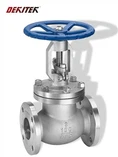

In the realm of industrial fluid control systems, electric actuator gate valves stand as crucial components, offering reliable and efficient flow regulation. One of the key design aspects that significantly influences the performance and functionality of these valves is the bonnet design. As a leading supplier of Electric Actuator Gate Valves, I am excited to delve into the intricacies of bonnet design and its importance in ensuring optimal valve operation.
Understanding the Bonnet in an Electric Actuator Gate Valve
The bonnet is an essential part of a gate valve that covers the valve stem and provides a seal between the valve body and the external environment. It serves multiple purposes, including protecting the internal components of the valve from contaminants, preventing leakage of the fluid being controlled, and facilitating maintenance and repair operations. In an electric actuator gate valve, the bonnet also plays a role in housing the actuator and its associated components, ensuring proper alignment and operation.

Types of Bonnet Designs
There are several types of bonnet designs commonly used in electric actuator gate valves, each with its own advantages and applications. Let's explore some of the most prevalent designs:
Bolted Bonnet
The bolted bonnet design is one of the most traditional and widely used in gate valves. In this design, the bonnet is attached to the valve body using bolts and nuts. This provides a secure and reliable connection, allowing for easy disassembly and reassembly for maintenance purposes. Bolted bonnets are suitable for a wide range of applications, including high-pressure and high-temperature environments. They offer excellent sealing performance and can withstand significant mechanical stress. However, the installation and removal of the bolts can be time-consuming, especially in large valves.
Welded Bonnet
Welded bonnets are permanently attached to the valve body using welding techniques. This design offers a high level of integrity and eliminates the risk of leakage at the bonnet-body joint. Welded bonnets are commonly used in applications where a hermetic seal is required, such as in nuclear power plants and high-pressure pipelines. They are also suitable for applications where the valve is subject to extreme conditions, as the welded joint provides additional strength and durability. However, the welded bonnet design makes it difficult to perform maintenance or repair operations on the valve, as the bonnet cannot be easily removed.
Pressure Seal Bonnet
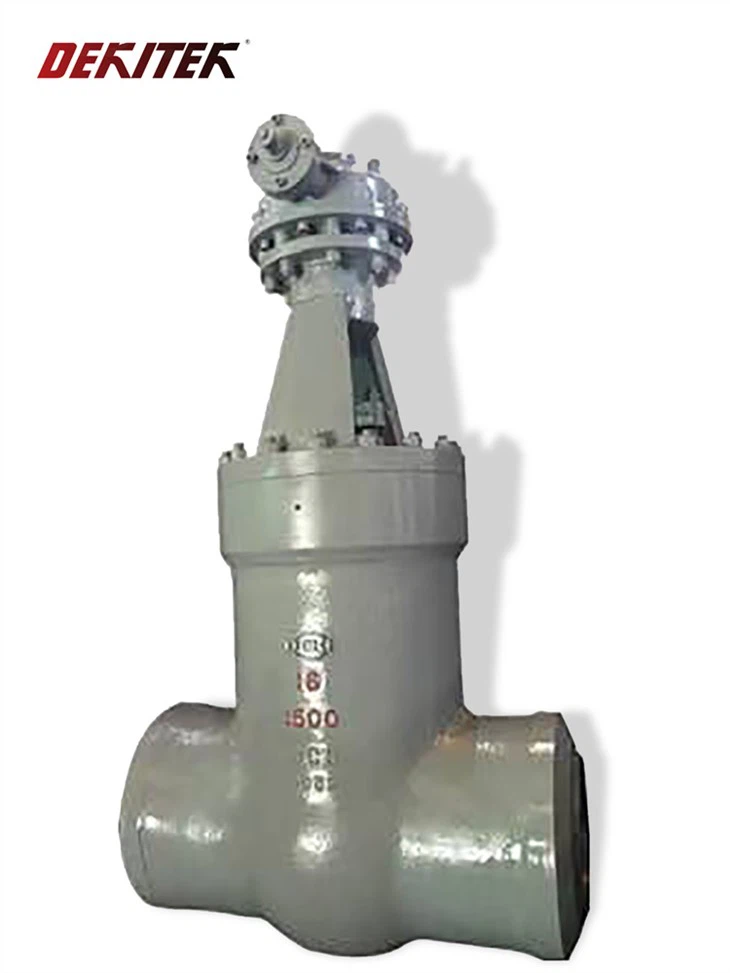
The pressure seal bonnet design is specifically designed for high-pressure applications. In this design, the bonnet is sealed against the valve body using the pressure of the fluid being controlled. As the pressure increases, the seal between the bonnet and the body becomes tighter, ensuring a reliable and leak-free operation. Pressure seal bonnets are commonly used in applications where the pressure exceeds 1500 psi. They offer excellent sealing performance and can withstand high pressures without the need for additional gaskets or seals. However, the pressure seal bonnet design requires precise machining and assembly to ensure proper operation.
Considerations in Bonnet Design
When designing the bonnet for an electric actuator gate valve, several factors need to be considered to ensure optimal performance and reliability. These factors include:
Material Selection
The material used for the bonnet should be carefully selected based on the application requirements. Common materials used for bonnets include cast steel, alloy steel, and stainless steel. Cast steel is a popular choice for general-purpose applications due to its low cost and good mechanical properties. Alloy steel is used in applications where higher strength and corrosion resistance are required. Stainless steel is commonly used in applications where the valve is exposed to corrosive environments.
Sealing Mechanism
The sealing mechanism used in the bonnet is crucial for preventing leakage of the fluid being controlled. Common sealing mechanisms include gaskets, O-rings, and metal-to-metal seals. Gaskets are the most widely used sealing mechanism in bonnets. They are made of materials such as rubber, graphite, or PTFE and provide a reliable seal between the bonnet and the valve body. O-rings are used in applications where a dynamic seal is required, such as in valves with rotating stems. Metal-to-metal seals are used in applications where high pressures and temperatures are involved.
Actuator Compatibility
The bonnet design should be compatible with the electric actuator used to operate the valve. The actuator should be able to be easily mounted on the bonnet and provide a reliable connection to the valve stem. The bonnet should also provide adequate space for the actuator and its associated components, such as the motor, gearbox, and control system.
Maintenance and Repair
The bonnet design should facilitate easy maintenance and repair operations. It should be possible to access the internal components of the valve, such as the stem, disc, and seat, without the need for extensive disassembly. The bonnet should also be designed to allow for the replacement of worn or damaged components, such as gaskets and seals.
Our Product Range
As a supplier of Electric Actuator Gate Valves, we offer a wide range of products with different bonnet designs to meet the diverse needs of our customers. Our product range includes Cast Steel Pressure Seal Gate Valve, Alloy Steel Pressure Seal Gate Valve, and Pneumatic Actuator Gate Valve.
Our cast steel pressure seal gate valves are designed for high-pressure applications and offer excellent sealing performance and durability. They are suitable for use in a wide range of industries, including oil and gas, power generation, and chemical processing. Our alloy steel pressure seal gate valves are used in applications where higher strength and corrosion resistance are required. They are commonly used in offshore oil and gas platforms and chemical plants. Our pneumatic actuator gate valves are used in applications where a fast and reliable operation is required. They are suitable for use in industrial automation systems and process control applications.
Conclusion
The bonnet design of an electric actuator gate valve plays a crucial role in ensuring optimal performance and reliability. By carefully considering the type of bonnet design, material selection, sealing mechanism, actuator compatibility, and maintenance requirements, it is possible to design a valve that meets the specific needs of the application. As a supplier of Electric Actuator Gate Valves, we are committed to providing our customers with high-quality products that offer excellent performance and reliability. If you are interested in learning more about our products or have any questions about bonnet design, please do not hesitate to contact us for further discussion and potential procurement.
References
- Valve Handbook, 4th Edition, by Robert W. Miller
- Industrial Valves: A Guide to Selection, Installation, and Maintenance, by John R. Cameron
- ASME B16.34 - Valves - Flanged, Threaded, and Welding End