


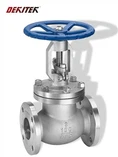

As a supplier of Lug Type Metal Sealing Butterfly Valves, I understand the importance of maintaining these valves to ensure their optimal performance and longevity. One crucial aspect of valve maintenance is the proper cleaning of the valve components. In this blog post, I will discuss the various cleaning agents that can be used for a lug type metal sealing butterfly valve, taking into account the valve's materials and the nature of the contaminants it may encounter.
Understanding the Lug Type Metal Sealing Butterfly Valve
Before delving into the cleaning agents, it's essential to have a basic understanding of the lug type metal sealing butterfly valve. This type of valve consists of a disc that rotates within the valve body to control the flow of fluid. The lug design allows for easy installation between flanges, and the metal sealing provides a tight seal, making it suitable for a wide range of applications, including high-pressure and high-temperature environments.
The valve components are typically made of various metals, such as stainless steel, carbon steel, and alloy steel, as well as elastomers for sealing. Different materials require different cleaning approaches to avoid damage.
General Cleaning Guidelines
Before using any cleaning agent, it's important to follow some general cleaning guidelines:
- Isolate the Valve: Ensure that the valve is completely isolated from the system by shutting off the flow of fluid and relieving any pressure.
- Disassemble the Valve: If possible, disassemble the valve to access all the components for thorough cleaning. This may require following the manufacturer's instructions.
- Inspect the Components: Before cleaning, inspect the valve components for any signs of damage, wear, or corrosion. Replace any damaged parts as necessary.
Cleaning Agents for Different Contaminants
1. Water and Mild Detergent
For light dirt, dust, and general debris, a solution of water and mild detergent is often sufficient. This is a gentle cleaning option that is suitable for most valve materials.
- Procedure: Mix a small amount of mild detergent, such as dish soap, with warm water. Use a soft brush or cloth to apply the solution to the valve components. Gently scrub the surfaces to remove the dirt. Rinse thoroughly with clean water to remove any detergent residue.
- Advantages: This cleaning method is non - abrasive and environmentally friendly. It is also cost - effective and readily available.
- Limitations: It may not be effective for removing heavy grease, oil, or stubborn contaminants.
2. Solvents
Solvents are useful for removing grease, oil, and other organic contaminants. However, it's important to choose the right solvent based on the valve materials.
- Acetone: Acetone is a strong solvent that can effectively dissolve grease and oil. It is suitable for cleaning stainless steel and some other metals. However, it can be harsh on elastomers, so it should be used with caution.
- Procedure: Soak a clean cloth or brush in acetone and apply it to the contaminated areas. Gently scrub the surface to remove the grease or oil. Rinse thoroughly with water to remove any acetone residue.
- Advantages: It is a powerful solvent that can quickly dissolve stubborn contaminants.
- Limitations: It is highly flammable and has a strong odor. It can also damage some plastics and elastomers.
- Mineral Spirits: Mineral spirits are a milder solvent compared to acetone. They are suitable for cleaning metal components without causing significant damage to most elastomers.
- Procedure: Apply mineral spirits to a cloth or brush and use it to clean the valve components. Wipe away the dissolved contaminants. Rinse with water and dry thoroughly.
- Advantages: It is less flammable and less harsh than acetone.
- Limitations: It may not be as effective as acetone for very heavy grease or oil.
3. Acid - Based Cleaners
Acid - based cleaners are used for removing rust, scale, and other inorganic deposits. However, they are highly corrosive and should be used with extreme caution.
- Phosphoric Acid: Phosphoric acid is a relatively mild acid that can be used to remove rust and scale from metal surfaces. It is often used in diluted form.
- Procedure: Dilute phosphoric acid according to the manufacturer's instructions. Immerse the rusted or scaled components in the acid solution for a short period, usually a few minutes. Rinse thoroughly with water to neutralize the acid and prevent further corrosion.
- Advantages: It can effectively remove rust and scale without causing excessive damage to the metal.
- Limitations: It is still corrosive and can be harmful to the skin and eyes. It should be handled with appropriate protective equipment.
- Hydrochloric Acid: Hydrochloric acid is a stronger acid that is more effective for removing heavy rust and scale. However, it is extremely corrosive and should only be used in a well - ventilated area and with proper safety precautions.
- Procedure: Use hydrochloric acid in a highly diluted form. Immerse the components for a short time, monitoring the process closely. Rinse thoroughly with water and neutralize with a baking soda solution if necessary.
- Advantages: It can quickly remove stubborn rust and scale.
- Limitations: It is extremely dangerous and can cause severe damage to the valve components if not used correctly.
Cleaning Agents for Elastomer Seals
Elastomer seals in the lug type metal sealing butterfly valve require special care. Harsh cleaning agents can damage the seals, leading to leaks.
- Silicone - Based Cleaner: Silicone - based cleaners are gentle on elastomers and can help maintain their flexibility and sealing properties.
- Procedure: Apply the silicone - based cleaner to a soft cloth and wipe the elastomer seals. This can help remove dirt and keep the seals lubricated.
- Advantages: It is non - abrasive and helps extend the life of the elastomer seals.
- Limitations: It may not be effective for removing heavy contaminants.
- Water and Glycerin Solution: A solution of water and glycerin can also be used to clean elastomer seals. Glycerin helps keep the seals soft and pliable.
- Procedure: Mix a small amount of glycerin with water. Use a soft cloth to apply the solution to the seals. Wipe gently to remove dirt.
- Advantages: It is a natural and gentle cleaning option.
- Limitations: It may not be as effective as some commercial cleaners for very dirty seals.
After - Cleaning Steps
After cleaning the valve components, it's important to take the following steps:
- Dry the Components: Ensure that all the components are completely dry before reassembling the valve. Moisture can cause corrosion and other problems.
- Lubricate the Seals: If necessary, apply a suitable lubricant to the elastomer seals to ensure proper sealing and smooth operation.
- Reassemble the Valve: Carefully reassemble the valve following the manufacturer's instructions.
Related Products
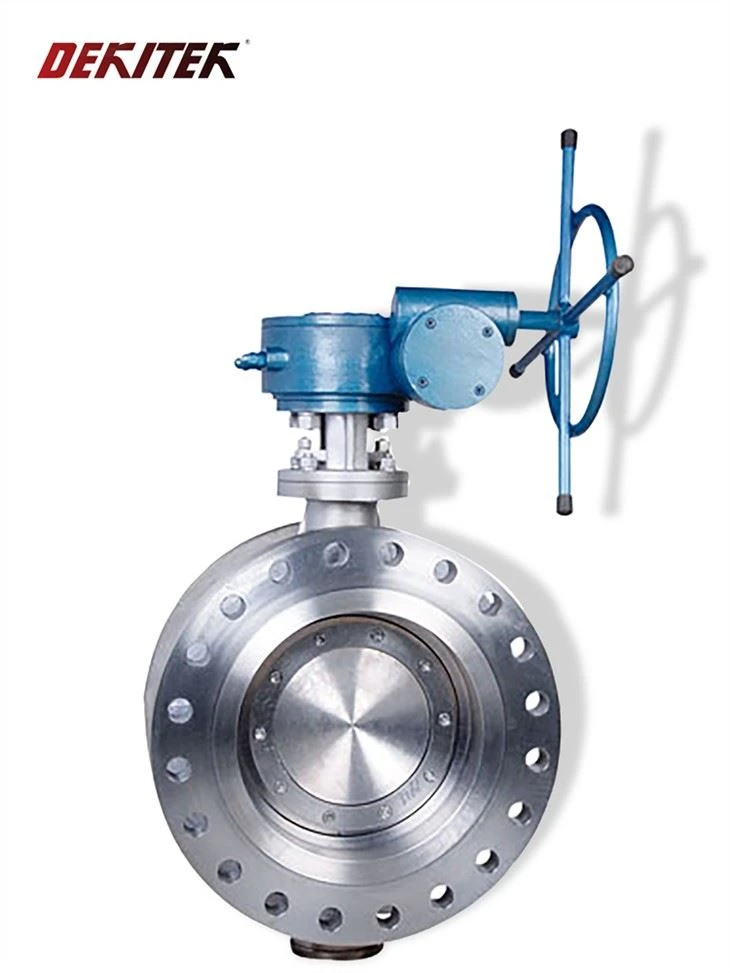
If you are interested in other types of butterfly valves, we also offer Double Offset Wafer Type Butterfly Valve, Double Offset Butt Weld End Butterfly Valve, and Triple Offset Flange End Type Butterfly Valve. These valves are designed to meet different application requirements and offer high - performance solutions.
Contact for Purchase and Consultation
If you have any questions about our lug type metal sealing butterfly valves or need further information on valve maintenance, cleaning, or selection, please feel free to contact us. We are committed to providing high - quality products and excellent customer service. Our team of experts is ready to assist you in finding the right valve solutions for your needs.

References
- Valve Handbook, CRC Press
- ASME Standards for Valve Design and Maintenance
- Manufacturer's Manuals for Lug Type Metal Sealing Butterfly Valves