



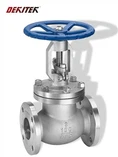

As a supplier of Cast Steel Pressure Seal Gate Valves, I'm often asked about the self-cleaning features of these remarkable valves. In this blog post, I'll delve into the details of how these valves are designed to keep themselves clean, ensuring optimal performance and longevity.
Understanding Cast Steel Pressure Seal Gate Valves
Before we explore the self-cleaning features, let's briefly understand what a Cast Steel Pressure Seal Gate Valve is. These valves are commonly used in high-pressure and high-temperature applications, such as power generation plants, oil and gas refineries, and chemical processing facilities. The pressure seal design provides a reliable seal under extreme conditions, making them a popular choice for critical operations.
The gate valve operates by raising and lowering a gate to control the flow of fluid through the valve. When the gate is fully open, the fluid can flow freely through the valve. When the gate is fully closed, it blocks the flow of fluid. The pressure seal design uses the system pressure to enhance the sealing performance, ensuring a tight seal even under high pressures.
Self-Cleaning Mechanisms
One of the key advantages of Cast Steel Pressure Seal Gate Valves is their self-cleaning capabilities. These valves are designed to prevent the accumulation of debris, scale, and other contaminants that can affect their performance. Here are some of the self-cleaning mechanisms employed in these valves:
1. Scrubbing Action of the Gate
As the gate moves up and down within the valve body, it creates a scrubbing action that helps to dislodge and remove any debris or scale that may have accumulated on the valve seats and internal surfaces. This scrubbing action is particularly effective in applications where the fluid contains solid particles or suspended matter.
The gate is typically made of a hard and durable material, such as stainless steel or alloy steel, which can withstand the abrasive forces generated during the scrubbing process. The surface of the gate is also smooth and polished to minimize friction and prevent the adhesion of contaminants.
2. Flushing Effect of the Fluid Flow
The flow of fluid through the valve also plays a crucial role in the self-cleaning process. As the fluid passes through the valve, it creates a flushing effect that helps to carry away any debris or contaminants that may have been dislodged by the scrubbing action of the gate.
The design of the valve body and the flow path is optimized to ensure a smooth and uniform flow of fluid, minimizing the formation of stagnant areas where debris can accumulate. The valve seats are also designed to provide a tight seal, preventing the leakage of fluid and ensuring that the flushing effect is maximized.
3. Anti-Fouling Coatings
In some cases, Cast Steel Pressure Seal Gate Valves may be coated with anti-fouling materials to further enhance their self-cleaning capabilities. These coatings are designed to prevent the adhesion of contaminants to the valve surfaces, making it easier for the scrubbing action and the flushing effect to remove them.
Anti-fouling coatings can be made of various materials, such as polymers, ceramics, or metallic compounds. The choice of coating depends on the specific application and the type of contaminants that are likely to be encountered.
Benefits of Self-Cleaning Features
The self-cleaning features of Cast Steel Pressure Seal Gate Valves offer several benefits for users. Here are some of the key advantages:
1. Improved Performance
By preventing the accumulation of debris and contaminants, the self-cleaning features help to maintain the optimal performance of the valve. The valve seats remain clean and free of damage, ensuring a tight seal and minimizing the risk of leakage. The smooth and unobstructed flow of fluid through the valve also reduces pressure drop and improves the overall efficiency of the system.
2. Extended Service Life
The self-cleaning capabilities of the valve help to reduce wear and tear on the internal components, extending the service life of the valve. By preventing the accumulation of debris and contaminants, the valve is less likely to experience corrosion, erosion, or other forms of damage. This reduces the need for frequent maintenance and replacement, saving time and money for the user.
3. Reduced Maintenance Requirements
The self-cleaning features of the valve significantly reduce the maintenance requirements. The need for manual cleaning and inspection of the valve is minimized, as the valve is able to clean itself during normal operation. This reduces the downtime of the system and increases the productivity of the plant.
Applications of Cast Steel Pressure Seal Gate Valves
Cast Steel Pressure Seal Gate Valves are widely used in a variety of industries and applications where high-pressure and high-temperature conditions are present. Some of the common applications include:
1. Power Generation
In power generation plants, Cast Steel Pressure Seal Gate Valves are used in steam systems, feedwater systems, and other critical applications. The self-cleaning features of these valves help to ensure reliable operation and prevent the accumulation of debris and contaminants that can affect the performance of the system.
2. Oil and Gas
In the oil and gas industry, Cast Steel Pressure Seal Gate Valves are used in pipelines, refineries, and offshore platforms. The valves are designed to withstand the harsh conditions of the oil and gas environment, including high pressures, high temperatures, and corrosive fluids. The self-cleaning capabilities of the valves help to prevent the blockage of pipelines and ensure the smooth flow of oil and gas.
3. Chemical Processing
In chemical processing plants, Cast Steel Pressure Seal Gate Valves are used in various processes, such as chemical reactions, distillation, and filtration. The valves are designed to handle a wide range of chemicals and corrosive fluids, and the self-cleaning features help to prevent the contamination of the process and ensure the quality of the final product.
Choosing the Right Cast Steel Pressure Seal Gate Valve
When choosing a Cast Steel Pressure Seal Gate Valve, it's important to consider several factors to ensure that you select the right valve for your application. Here are some of the key factors to consider:


1. Pressure and Temperature Ratings
The pressure and temperature ratings of the valve should be compatible with the operating conditions of your system. Make sure to choose a valve that can withstand the maximum pressure and temperature that your system is likely to encounter.
2. Flow Rate and Size
The flow rate and size of the valve should be selected based on the requirements of your system. Make sure to choose a valve that can handle the required flow rate without causing excessive pressure drop.
3. Material of Construction
The material of construction of the valve should be selected based on the type of fluid that will be flowing through the valve. Make sure to choose a material that is resistant to corrosion, erosion, and other forms of damage.
4. Self-Cleaning Features
Consider the self-cleaning features of the valve when making your selection. Look for valves that have a scrubbing action of the gate, a flushing effect of the fluid flow, and anti-fouling coatings to ensure optimal performance and longevity.
Conclusion
Cast Steel Pressure Seal Gate Valves are a reliable and efficient solution for high-pressure and high-temperature applications. The self-cleaning features of these valves help to ensure optimal performance, extended service life, and reduced maintenance requirements. By choosing the right valve for your application and taking advantage of its self-cleaning capabilities, you can ensure the smooth and reliable operation of your system.
If you're interested in learning more about our Cast Steel Pressure Seal Gate Valves or other valve products, please don't hesitate to contact us. Our team of experts is ready to assist you in selecting the right valve for your needs and providing you with the highest level of service and support. We look forward to the opportunity to work with you and help you achieve your goals.
References
- Valve Handbook, 4th Edition, by William W. Lyons
- Handbook of Valves, 2nd Edition, by D. S. Kumar
- Valve Selection and Sizing, by John R. Blevins