


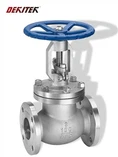

Hey there! As a check valve supplier, I've dealt with all sorts of check valves over the years. Check valves are super important in lots of industries, like oil and gas, water treatment, and chemical processing. They're used to stop the backflow of fluids, making sure things flow in just one direction. In this blog, I'm gonna break down the different types of check valves that we offer.
Swing Check Valves
Swing check valves are one of the most common types out there. They've got a hinged disc that swings open when the fluid flows in the right direction and closes when the flow reverses. This type of valve is great for applications where there's a steady flow and low to moderate pressure.
The API6D Flange End Swing Type Check Valve is a prime example. It's designed according to API 6D standards, which means it meets high - quality and safety requirements. These valves are often used in pipelines in the oil and gas industry. The flange end makes it easy to install and connect to other parts of the pipeline system. They can handle large volumes of fluid and are quite durable.
Lift Check Valves
Lift check valves work a bit differently. Instead of a swinging disc, they have a disc that moves up and down inside the valve body. When the fluid flows in the right direction, the pressure of the fluid pushes the disc up, allowing the fluid to pass through. When the flow reverses, the disc drops down to close the valve.
Lift check valves are commonly used in applications where the flow is more turbulent or where there are changes in pressure. They're also suitable for high - pressure systems. For example, in a steam system, lift check valves can prevent the backflow of steam, which is crucial for the safe and efficient operation of the system.
Ball Check Valves
Ball check valves use a ball to control the flow. The ball sits inside a chamber, and when the fluid flows in the right direction, it pushes the ball aside, allowing the fluid to pass. When the flow reverses, the ball is pushed back against the valve seat, closing the valve.
These valves are known for their simple design and quick response time. They're often used in applications where the flow is intermittent or where there's a risk of water hammer. Ball check valves are also relatively easy to maintain, which makes them a popular choice in many small - scale applications, like in home plumbing systems.
Tilting Disc Check Valves
Tilting disc check valves are a variation of swing check valves. The disc in a tilting disc check valve is designed to tilt open and close. This design allows for a quicker closing time compared to traditional swing check valves, which helps reduce the risk of water hammer.
Tilting disc check valves are often used in large - diameter pipelines where fast - acting valves are needed. They can handle high - flow rates and are suitable for both liquid and gas applications.


Dual Plate Check Valves
Dual plate check valves have two semi - circular discs that pivot on a hinge. When the fluid flows in the right direction, the discs open to allow the fluid to pass. When the flow reverses, the discs close together to stop the backflow.
These valves are compact and lightweight compared to some other types of check valves. They're also easy to install and have a low pressure drop, which means they don't cause much resistance to the flow of fluid. Dual plate check valves are commonly used in HVAC systems, water supply systems, and other industrial applications.
Wafer Check Valves
Wafer check valves are designed to be installed between two flanges. They're thin and lightweight, which makes them a great choice for applications where space is limited.
The API 6D BW Check Valve is an example of a high - quality wafer check valve. It's built to API 6D standards, ensuring reliability and performance. Wafer check valves are often used in pipelines where a quick - closing valve is needed to prevent backflow.
Diaphragm Check Valves
Diaphragm check valves use a flexible diaphragm to control the flow. When the fluid flows in the right direction, the diaphragm flexes to allow the fluid to pass. When the flow reverses, the diaphragm seals against the valve seat to stop the backflow.
These valves are suitable for applications where the fluid is viscous or contains solids. They're also great for applications where a tight seal is required. Diaphragm check valves are commonly used in the food and beverage industry, as well as in chemical processing.
Spring - Loaded Check Valves
Spring - loaded check valves have a spring that helps the valve close more quickly and tightly. The spring provides an additional force to close the valve, which is especially useful in applications where the pressure of the reverse flow is low.
These valves are often used in systems where there's a risk of low - pressure backflow. For example, in a pump system, a spring - loaded check valve can prevent the backflow of fluid when the pump is turned off.
Silent Check Valves
Silent check valves are designed to reduce the noise and vibration that can occur when a check valve closes. They use special design features, like a damping mechanism or a soft - seating material, to minimize the impact when the valve closes.
Silent check valves are ideal for applications where noise is a concern, such as in residential buildings or hospitals. They can also help extend the life of the valve and the piping system by reducing the stress caused by water hammer.
Choosing the Right Check Valve
When it comes to choosing the right check valve for your application, there are several factors to consider. First, you need to think about the type of fluid that will be flowing through the valve. Is it a liquid, a gas, or a mixture? Different fluids have different properties, such as viscosity and corrosiveness, which can affect the performance of the valve.
You also need to consider the pressure and flow rate of the system. High - pressure systems may require a different type of check valve than low - pressure systems. Similarly, systems with high flow rates may need a valve that can handle large volumes of fluid without causing too much resistance.
The environment in which the valve will be installed is also important. For example, if the valve will be exposed to harsh chemicals or extreme temperatures, you'll need to choose a valve that is made from materials that can withstand these conditions.
Why Choose Our Check Valves
As a check valve supplier, we offer a wide range of high - quality check valves to meet the needs of different industries. Our valves are designed and manufactured to the highest standards, ensuring reliability and performance.
We have a team of experts who can help you choose the right check valve for your specific application. Whether you're in the oil and gas industry, water treatment, or any other field, we can provide you with the right solution.
If you're interested in purchasing check valves or have any questions about our products, don't hesitate to get in touch. We're here to assist you with all your check valve needs. Contact us today to start a discussion about your requirements and let's find the perfect check valve for your system.
References
- "Valve Handbook" by Leslie E. Spira
- "Industrial Valves: A Guide to Selection" by Tom Jenkins