



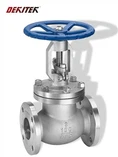

In the realm of industrial fluid control, API 6D BW Check Valves play a crucial role. As a supplier of these valves, I've witnessed firsthand the various maintenance problems that customers often encounter. In this blog, I'll delve into the common maintenance issues of API 6D BW Check Valves and offer insights on how to address them.
1. Leakage Problems
One of the most prevalent maintenance issues with API 6D BW Check Valves is leakage. Leakage can occur at different locations within the valve, such as the valve seat, body joints, or the stem packing.
Valve Seat Leakage
The valve seat is a critical component that ensures a tight seal when the valve is closed. Over time, the seat can become damaged due to factors like erosion, corrosion, or the presence of foreign particles in the fluid. Erosion occurs when the high - velocity fluid flowing through the valve wears away the seat material. Corrosion, on the other hand, can be caused by the chemical properties of the fluid. For example, in a pipeline carrying acidic fluids, the valve seat may corrode, leading to leakage.
To address valve seat leakage, regular inspection is essential. When inspecting, use appropriate measuring tools to check the surface roughness and flatness of the seat. If minor damage is detected, it may be possible to repair the seat by machining or grinding. However, if the damage is severe, the seat may need to be replaced.
Body Joint Leakage
The body joints of an API 6D BW Check Valve are areas where two parts of the valve body are connected. Leakage at these joints can be due to improper installation, gasket failure, or bolt loosening. During installation, if the gaskets are not properly aligned or compressed, it can lead to gaps through which fluid can leak. Gasket failure can also occur over time due to aging, exposure to high temperatures, or chemical degradation.
To prevent body joint leakage, ensure that the gaskets are of high - quality and are installed correctly. During installation, follow the manufacturer's torque specifications for tightening the bolts. Regularly check the tightness of the bolts during maintenance to prevent loosening. If a gasket fails, replace it with a new one that meets the requirements of the valve.
Stem Packing Leakage
The stem packing is responsible for preventing fluid from leaking along the valve stem. Leakage at the stem packing can be caused by wear and tear of the packing material, improper packing installation, or excessive stem movement. As the valve operates, the stem moves back and forth, which can gradually wear out the packing.
To address stem packing leakage, first, check the condition of the packing. If it is worn, replace it with new packing. When installing the new packing, make sure to follow the correct packing installation procedure, including proper lubrication and compression.

2. Operational Noise and Vibration
API 6D BW Check Valves may also experience operational noise and vibration, which can be indicators of underlying problems.
Causes of Noise and Vibration
One of the main causes of noise and vibration is the improper seating of the valve disc. If the disc does not close smoothly or seats unevenly, it can cause water hammer effects, which generate noise and vibration. Another cause can be the high - velocity fluid flow through the valve. When the fluid velocity is too high, it can create turbulent flow, leading to noise and vibration.
Solutions
To reduce noise and vibration, ensure that the valve disc is properly installed and adjusted. Check for any obstructions or debris that may prevent the disc from seating correctly. If the high - velocity fluid flow is the cause, consider installing flow control devices upstream of the valve to reduce the fluid velocity. Additionally, using vibration - dampening materials or supports can help minimize the impact of vibration on the valve and the surrounding pipeline.
3. Disc and Hinge Pin Wear
The disc and hinge pin are vital components of an API 6D BW Check Valve. Over time, they can experience wear and tear, which can affect the valve's performance.
Wear Mechanisms
The disc is constantly in contact with the fluid and the valve seat, and it experiences forces during opening and closing operations. This can lead to abrasion and erosion of the disc surface. The hinge pin, which allows the disc to pivot, can also wear due to the repeated movement of the disc.
Maintenance and Replacement
Regular inspection of the disc and hinge pin is necessary. Check for signs of wear, such as scratches, grooves, or deformation. If the wear is minor, the disc and hinge pin can be repaired by surface treatment or re - machining. However, if the wear is significant, they should be replaced to ensure the proper functioning of the valve.

4. Corrosion and Erosion
Corrosion and erosion are major concerns for API 6D BW Check Valves, especially in harsh operating environments.
Corrosion
Corrosion can occur due to the chemical properties of the fluid, the presence of oxygen, and the temperature. For example, in a marine environment, the saltwater can cause severe corrosion of the valve components. Different materials have different corrosion resistance properties. Using corrosion - resistant materials, such as stainless steel or alloy steel, can help mitigate the effects of corrosion.
Erosion
Erosion is caused by the high - velocity flow of fluid containing solid particles. These particles can wear away the valve components, especially the valve seat and the disc. To prevent erosion, consider installing filters upstream of the valve to remove solid particles from the fluid. Additionally, using materials with high erosion resistance can help extend the valve's service life.
5. Actuator Malfunctions (if applicable)
Some API 6D BW Check Valves are equipped with actuators for automated operation. Actuator malfunctions can lead to improper valve operation.
Common Actuator Problems
Actuator problems can include electrical failures, mechanical failures, or control system issues. Electrical failures can be caused by damaged wiring, faulty motors, or problems with the power supply. Mechanical failures may involve issues with the gears, linkages, or pistons in the actuator. Control system issues can lead to incorrect valve positioning or failure to respond to control signals.
Troubleshooting and Maintenance
Regularly inspect the actuator for any signs of damage or wear. Check the electrical connections and test the motor. For mechanical components, lubricate them as recommended by the manufacturer and check for proper alignment. If there are control system issues, consult the control system manual or contact the actuator manufacturer for assistance.
Conclusion
As a supplier of API 6D BW Check Valve, I understand the importance of addressing these common maintenance problems. By being aware of these issues and implementing proper maintenance practices, customers can ensure the reliable and efficient operation of their API 6D BW Check Valves.
If you are facing any maintenance problems with your API 6D BW Check Valves or are interested in purchasing high - quality valves, such as our API6D Flange End Swing Type Check Valve, please feel free to contact us for further discussion. We are committed to providing you with the best solutions for your fluid control needs.
References
- API 6D Standard - Specification for Pipeline Valves
- Valve Handbook, by D. A. Stamenkovic
- Industrial Valve Maintenance and Troubleshooting Guides