



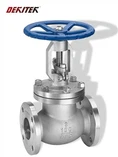

Hey there! As a supplier of Electric Actuator Gate Valves, I often get asked about how to test the emergency shutdown function of these valves. It's a crucial part of ensuring the safety and reliability of industrial systems. In this blog, I'll walk you through the process step by step.
First off, let's understand why testing the emergency shutdown function is so important. Electric actuator gate valves are used in a wide range of industries, from oil and gas to water treatment. In case of an emergency, such as a leak or a system malfunction, the valve needs to shut down quickly to prevent further damage or danger. If the emergency shutdown function doesn't work properly, it could lead to serious consequences, like environmental disasters or even loss of life.
Pre - test Preparations
Before we start the actual testing, we need to do some preparations.
1. Inspect the Valve
Check the physical condition of the electric actuator gate valve. Look for any signs of damage, such as cracks in the valve body or wear and tear on the actuator. Make sure all the connections are tight, including the electrical connections. Loose connections can cause the valve to malfunction during the emergency shutdown test.
2. Review the Manual
Every electric actuator gate valve comes with a user manual. It's important to read it thoroughly to understand the specific requirements and procedures for testing the emergency shutdown function. The manual will also provide information about the valve's specifications, such as the maximum pressure and temperature it can handle.
3. Gather the Tools
You'll need a few tools for the test, including a multimeter to check the electrical signals, a pressure gauge to measure the pressure in the system, and a stopwatch to time the shutdown process. Make sure these tools are in good working condition.
Step - by - Step Testing Process
1. Initial Setup
First, make sure the valve is in the fully open position. This is important because the emergency shutdown function is designed to close the valve from the open position. Then, turn on the power supply to the electric actuator. Check the status indicators on the actuator to make sure it's receiving power and is functioning normally.
2. Simulate the Emergency Signal
Most electric actuator gate valves are designed to receive an emergency shutdown signal from a control system. This signal can be in the form of an electrical pulse or a change in voltage. You can use a test signal generator to simulate this emergency signal. Send the signal to the actuator and observe the valve's response.
The valve should start closing immediately after receiving the signal. Use the stopwatch to time how long it takes for the valve to close completely. The shutdown time is an important parameter, and it should be within the specifications provided by the manufacturer.
3. Check the Electrical Signals
While the valve is closing, use the multimeter to check the electrical signals at different points in the actuator. Make sure the signals are within the normal range. Abnormal signals could indicate a problem with the actuator's control circuit.
4. Verify the Valve Position
After the valve has closed, use a position indicator or a mechanical stop to verify that the valve is fully closed. A partially closed valve can still allow fluid to flow, which defeats the purpose of the emergency shutdown.
5. Repeat the Test
It's a good idea to repeat the test a few times to ensure the consistency of the emergency shutdown function. Each time, the valve should close within the specified time and reach the fully closed position.
Common Issues and Troubleshooting
During the testing process, you might encounter some common issues. Here are a few of them and how to troubleshoot them:
1. Slow Shutdown Time
If the valve takes longer than the specified time to close, it could be due to a few reasons. First, check the power supply to the actuator. A low - voltage supply can cause the actuator to operate slowly. You can use a multimeter to measure the voltage at the actuator terminals. If the voltage is low, check the electrical connections and the power source.
Another possible cause is mechanical resistance in the valve. There could be debris or dirt inside the valve that is preventing it from closing smoothly. In this case, you may need to disassemble the valve and clean it.
2. Valve Does Not Close Completely
If the valve does not close completely, check the position sensors on the actuator. These sensors are responsible for detecting the valve's position and sending signals to the control system. A faulty position sensor can cause the valve to stop closing prematurely. You can use a multimeter to test the sensors and replace them if necessary.
3. No Response to the Emergency Signal
If the valve does not respond to the emergency signal at all, check the electrical connections between the control system and the actuator. Make sure the signal is being transmitted correctly. You can also check the actuator's control board for any signs of damage or malfunction.
Importance of Regular Testing
Regular testing of the emergency shutdown function is essential for maintaining the safety and reliability of electric actuator gate valves. Over time, the components of the valve and the actuator can wear out or become damaged. By testing the emergency shutdown function regularly, you can detect any potential problems early and take corrective actions before they lead to a serious failure.


Related Products
We offer a wide range of electric actuator gate valves, including Cast Steel Pressure Seal Gate Valve, Duplex Stainless Steel Gate Valve, and Carbon Steel Flexible Wedge Gate Valve. These valves are designed to meet the highest standards of quality and performance.
Contact for Purchase
If you're interested in purchasing our electric actuator gate valves or have any questions about testing their emergency shutdown function, feel free to contact us. We're here to help you find the right valve for your application and ensure its proper operation.
References
- Manufacturer's User Manuals for Electric Actuator Gate Valves
- Industry Standards for Valve Testing and Maintenance