


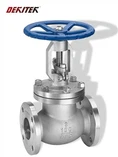

As a supplier of API 6D BW Check Valves, I understand the challenges and concerns that come with valve noise. Excessive noise from these valves can not only be a nuisance but also indicate potential operational issues or inefficiencies. In this blog post, I will share some effective strategies on how to reduce the noise of an API 6D BW Check Valve.
Understanding the Causes of Noise in API 6D BW Check Valves
Before we delve into the solutions, it's crucial to understand the root causes of noise in API 6D BW Check Valves. There are several factors that can contribute to valve noise:
- Fluid Flow Turbulence: When the fluid flows through the valve, it can create turbulence, especially if the flow rate is high or the valve design is not optimized. Turbulence can generate noise as the fluid collides with the valve components.
- Valve Slamming: API 6D BW Check Valves are designed to prevent backflow by closing when the flow reverses. However, if the valve closes too quickly or forcefully, it can cause a slamming effect, resulting in loud noise.
- Cavitation: Cavitation occurs when the pressure of the fluid drops below its vapor pressure, causing the formation and collapse of vapor bubbles. The collapse of these bubbles can generate high-frequency noise and damage the valve components over time.
- Mechanical Vibration: Loose or misaligned valve components can vibrate during operation, producing noise. Additionally, external factors such as pipeline vibrations can also be transmitted to the valve, exacerbating the noise problem.
Strategies to Reduce Noise in API 6D BW Check Valves
Now that we have identified the potential causes of noise, let's explore some strategies to minimize it:
1. Optimize Valve Design
- Select the Right Valve Type: Different types of check valves have different flow characteristics and noise levels. For example, API6D Flange End Swing Type Check Valve generally have a lower noise level compared to some other types. When selecting a valve, consider the specific application requirements and choose a valve type that is known for its quiet operation.
- Improve Flow Path Design: A well-designed flow path can reduce fluid turbulence and minimize noise. Ensure that the valve has a smooth and streamlined interior surface to allow for laminar flow. Additionally, the valve should be sized appropriately to match the flow rate and pressure of the system.
2. Control Valve Closing Speed
- Use a Damper or Buffer: To prevent valve slamming, a damper or buffer can be installed to slow down the closing speed of the valve. This can be achieved through the use of hydraulic or pneumatic dampers, which absorb the energy of the closing valve and reduce the impact force.
- Adjust the Spring Tension: The spring tension in a check valve determines the opening and closing characteristics. By adjusting the spring tension, you can control the closing speed of the valve and prevent it from closing too quickly.
3. Prevent Cavitation
- Maintain Adequate Pressure: To avoid cavitation, ensure that the pressure of the fluid remains above its vapor pressure throughout the valve. This can be achieved by properly sizing the pipeline and maintaining a sufficient pressure differential across the valve.
- Use Anti-Cavitation Trim: Anti-cavitation trim is designed to reduce the risk of cavitation by controlling the flow of the fluid and preventing the formation of vapor bubbles. Consider using a valve with anti-cavitation trim if cavitation is a concern in your application.
4. Minimize Mechanical Vibration
- Ensure Proper Installation: Proper installation is crucial to prevent mechanical vibration. Make sure that the valve is securely mounted and aligned with the pipeline. Use vibration isolators or flexible connectors to reduce the transmission of pipeline vibrations to the valve.
- Regular Maintenance: Regular maintenance can help identify and address any loose or worn-out valve components. Check for any signs of vibration or abnormal noise during maintenance inspections and replace any damaged parts promptly.
Benefits of Reducing Valve Noise
Reducing the noise of an API 6D BW Check Valve offers several benefits:
- Improved Working Environment: Excessive noise can be a health hazard for workers in industrial settings. By reducing valve noise, you can create a safer and more comfortable working environment.
- Enhanced Equipment Reliability: Noise can be an indication of potential problems with the valve. By addressing the noise issue, you can prevent premature wear and damage to the valve components, improving the overall reliability of the equipment.
- Compliance with Regulations: Many industries have noise regulations in place to protect workers and the environment. By reducing valve noise, you can ensure compliance with these regulations and avoid potential fines or penalties.
Conclusion
As a supplier of API 6D BW Check Valve, I am committed to providing high-quality valves that meet the needs of our customers. By implementing the strategies outlined in this blog post, you can effectively reduce the noise of your API 6D BW Check Valve and enjoy the benefits of a quieter and more efficient operation.


If you have any questions or need further assistance with reducing valve noise, please do not hesitate to contact us. We are here to help you find the best solutions for your specific application.
References
- "Valve Noise: Causes, Effects, and Solutions" - Industrial Valve Handbook
- "API 6D Standard for Pipeline Valves" - American Petroleum Institute