


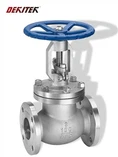

In the industrial realm, pneumatic actuator gate valves are pivotal components that play a crucial role in regulating the flow of various fluids. These valves, when properly optimized, can significantly enhance the efficiency and reliability of industrial processes. As a reputable pneumatic actuator gate valve supplier, I understand the importance of fine - tuning the dynamic response of these valves to meet the diverse needs of our clients. In this blog, I will delve into the strategies and techniques to optimize the dynamic response of a pneumatic actuator gate valve.
Understanding the Basics of Pneumatic Actuator Gate Valves
Before we embark on the journey of optimization, it is essential to have a clear understanding of how pneumatic actuator gate valves work. A pneumatic actuator gate valve consists of a gate, which is the movable part that controls the flow, and a pneumatic actuator that drives the gate's movement. The actuator uses compressed air to generate the force required to open or close the valve.
The dynamic response of a pneumatic actuator gate valve refers to how quickly and accurately the valve can open or close in response to a control signal. A fast and precise dynamic response is crucial in applications where rapid changes in flow rate are required, such as in emergency shutdown systems or high - speed process control.
Factors Affecting the Dynamic Response
Several factors can influence the dynamic response of a pneumatic actuator gate valve. These include:
Pneumatic System Design
The design of the pneumatic system, including the size and capacity of the air supply, the length and diameter of the air lines, and the type of control valves used, can have a significant impact on the valve's dynamic response. A well - designed pneumatic system ensures that the actuator receives an adequate and consistent supply of compressed air, allowing for quick and smooth operation.
Actuator Size and Type
The size and type of the pneumatic actuator also play a vital role. An actuator that is too small may not be able to generate enough force to move the gate quickly, while an oversized actuator can lead to slower response times due to increased inertia. Different types of actuators, such as piston - type and diaphragm - type actuators, have different characteristics that can affect the valve's dynamic performance.
Gate Design and Material
The design and material of the gate can influence its movement and the overall dynamic response of the valve. A gate with a streamlined design can reduce flow resistance and allow for faster opening and closing. The material of the gate should also be chosen carefully to ensure that it is lightweight yet strong enough to withstand the operating conditions.
Friction and Wear
Friction between the gate and the valve body, as well as wear on the sealing surfaces, can impede the gate's movement and slow down the valve's dynamic response. Regular maintenance and proper lubrication can help reduce friction and prevent excessive wear.
Strategies for Optimization
Optimize the Pneumatic System
To optimize the pneumatic system, it is important to ensure that the air supply has sufficient pressure and flow rate. The air lines should be sized appropriately to minimize pressure drops, and the control valves should be selected based on their response time and flow capacity. Additionally, using a high - quality air filter and regulator can help maintain a clean and stable air supply, which is essential for the proper operation of the actuator.
Select the Right Actuator
Choosing the right actuator size and type is crucial for optimizing the dynamic response. The actuator should be sized based on the required force to move the gate and the desired response time. For applications that require fast response times, a piston - type actuator may be more suitable due to its higher force - to - weight ratio.

Improve Gate Design
Streamlining the gate design can reduce flow resistance and improve the valve's dynamic response. Using lightweight materials, such as aluminum or composite materials, can also reduce the gate's inertia and allow for faster movement. Additionally, ensuring proper alignment of the gate and the valve body can minimize friction and improve the overall performance.
Minimize Friction and Wear
Regular maintenance is essential to minimize friction and wear. This includes lubricating the moving parts, inspecting the sealing surfaces for damage, and replacing worn - out components as needed. Using high - quality seals and coatings can also help reduce friction and extend the valve's service life.
Case Studies
Let's take a look at some real - world examples of how these optimization strategies have been applied.
In a chemical processing plant, the existing pneumatic actuator gate valves were experiencing slow response times, which was affecting the efficiency of the production process. By upgrading the pneumatic system to a larger air supply and installing high - speed control valves, the response time of the valves was significantly reduced. Additionally, the gates were redesigned to have a more streamlined shape, further improving the valve's dynamic performance.
In an oil and gas pipeline application, the valves were prone to excessive wear due to the harsh operating conditions. By using a more wear - resistant gate material and implementing a regular maintenance schedule, the friction and wear were minimized, resulting in a faster and more reliable dynamic response.
Product Recommendations
As a pneumatic actuator gate valve supplier, we offer a wide range of high - quality products that are designed to provide excellent dynamic response. Our Stainless Steel Flexible Wedge Gate Valve is made of premium stainless steel, which offers excellent corrosion resistance and durability. The flexible wedge design ensures a tight seal and smooth operation, making it suitable for a variety of applications.
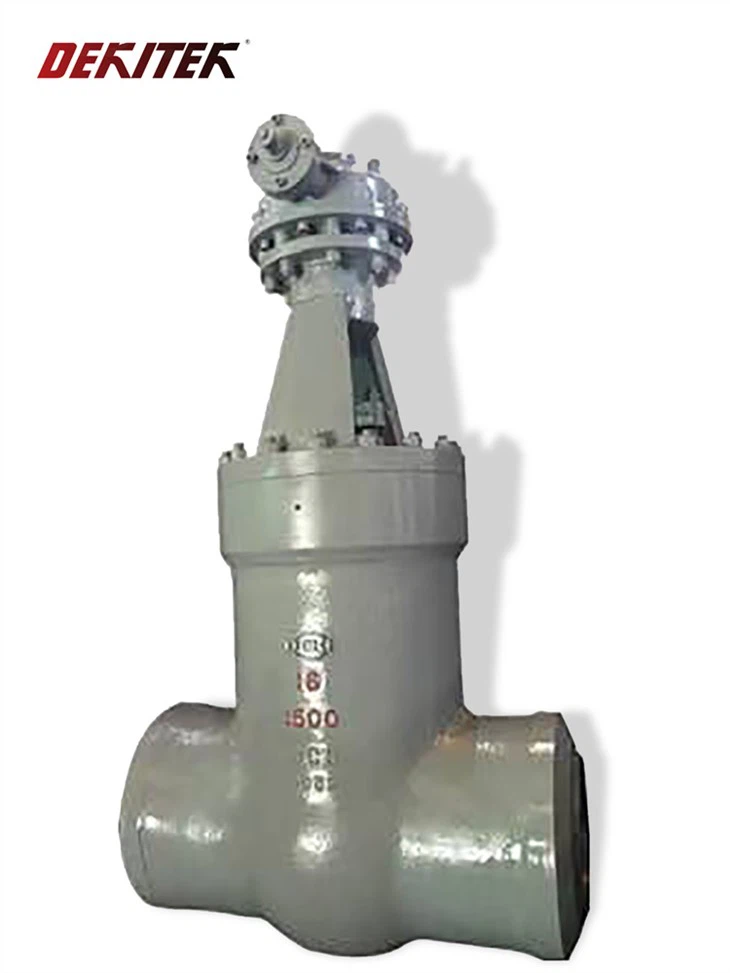
Our Alloy Steel Pressure Seal Gate Valve is designed for high - pressure applications. The alloy steel construction provides superior strength and resistance to high temperatures, while the pressure seal design ensures a reliable seal even under extreme conditions.
For applications that require a cost - effective solution, our Cast Steel Pressure Seal Gate Valve is an excellent choice. The cast steel body offers good mechanical properties, and the pressure seal design provides a tight seal at high pressures.
Conclusion
Optimizing the dynamic response of a pneumatic actuator gate valve is a complex but achievable task. By understanding the factors that affect the dynamic response and implementing the appropriate optimization strategies, we can improve the efficiency, reliability, and performance of these valves. As a pneumatic actuator gate valve supplier, we are committed to providing our customers with the highest - quality products and solutions. If you are looking to optimize the dynamic response of your pneumatic actuator gate valves or are in need of a reliable valve supplier, please feel free to contact us for a consultation. We are here to help you find the best solution for your specific needs.
References
- Smith, J. (2018). Pneumatic Actuator Design and Application. Industrial Valve Journal.
- Johnson, R. (2019). Optimization of Valve Dynamic Response in Industrial Processes. Process Control Magazine.
- Brown, A. (2020). Gate Valve Design and Performance. Valve Technology Review.