



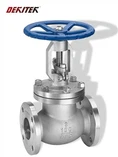

Hey there! I'm a supplier of check valves, and I know how crucial it is to have top - notch sealing quality for these valves. In this blog, I'll share some practical tips on how to improve the sealing quality of a check valve.
Understanding the Basics of Check Valve Sealing
First off, let's talk about what a check valve does. A check valve is designed to allow fluid to flow in one direction only and prevent backflow. The sealing quality of a check valve is essential because any leakage can lead to inefficiencies, safety hazards, and increased maintenance costs.
The sealing in a check valve typically occurs between the valve disc and the seat. There are different types of check valves, such as swing check valves, lift check valves, and ball check valves, each with its own sealing mechanism. For example, in a swing check valve, the disc swings open when the fluid flows in the forward direction and closes by gravity and back - pressure to seal against the seat.
Selecting the Right Materials
One of the most important factors in improving sealing quality is choosing the right materials for the valve disc and seat. The materials need to be compatible with the fluid being handled, resistant to corrosion, and have good wear - resistance properties.
For applications involving corrosive fluids, materials like stainless steel, bronze, or special alloys might be a good choice. These materials can withstand the chemical attack of the fluid and maintain their integrity over time. For high - temperature applications, materials with high heat - resistance, such as Inconel or Hastelloy, can be used.
When it comes to the seat material, softer materials like rubber or PTFE can provide a better seal in some cases. Rubber seats can conform to the surface of the disc, filling in any small irregularities and creating a tight seal. However, they may not be suitable for high - temperature or high - pressure applications. On the other hand, PTFE has good chemical resistance and can work well in a wide range of temperatures.
If you're looking for high - quality check valves, you might be interested in our API 6D BW Check Valve. It's designed with high - grade materials to ensure excellent sealing performance.
Proper Installation
Installation plays a huge role in the sealing quality of a check valve. Here are some key points to keep in mind during installation:


- Orientation: Make sure the valve is installed in the correct orientation. Check valves are designed to work in a specific flow direction, and installing them backwards can cause them to malfunction and leak.
- Alignment: Proper alignment of the valve with the pipeline is crucial. Misaligned valves can put uneven stress on the sealing surfaces, leading to leakage. Use alignment tools if necessary to ensure a perfect fit.
- Gaskets: The gaskets used in the valve installation need to be in good condition and the right size. A damaged or incorrectly sized gasket can be a major source of leakage. Replace gaskets if they show signs of wear or damage.
Our API6D Flange End Swing Type Check Valve is easy to install, but following these installation guidelines will help you get the best sealing performance.
Regular Maintenance
Regular maintenance is essential for keeping the sealing quality of a check valve at its best. Here are some maintenance tasks you should perform:
- Inspection: Periodically inspect the valve for signs of wear, corrosion, or damage. Check the sealing surfaces of the disc and seat for scratches, pits, or other irregularities. If you notice any issues, take appropriate action, such as replacing the damaged parts.
- Cleaning: Keep the valve clean to prevent the buildup of debris, scale, or other contaminants. These can interfere with the sealing process and cause leakage. Use appropriate cleaning agents and tools to clean the valve components.
- Lubrication: Some check valves may require lubrication of moving parts. Lubrication can reduce friction, prevent wear, and improve the overall performance of the valve. Make sure to use the right type of lubricant recommended by the valve manufacturer.
Controlling Operating Conditions
The operating conditions of the check valve can also affect its sealing quality. Here's how you can manage them:
- Pressure: Make sure the operating pressure is within the valve's rated pressure range. Excessive pressure can cause the valve to deform, leading to leakage. If the pressure in your system fluctuates, consider using a pressure - regulating device.
- Temperature: High temperatures can cause materials to expand and lose their sealing properties. If your application involves high - temperature fluids, choose a valve with materials that can withstand the temperature. You may also need to insulate the valve to reduce heat transfer.
- Flow Rate: A very high flow rate can cause the valve disc to slam shut, which can damage the sealing surfaces. Try to control the flow rate to a level that is suitable for the valve. You can use flow - control valves or other devices to regulate the flow.
Using Advanced Sealing Technologies
There are some advanced sealing technologies available that can significantly improve the sealing quality of check valves. For example, some valves use a double - sealing design, which provides an extra layer of protection against leakage. In a double - sealing system, there are two independent sealing mechanisms, so even if one fails, the other can still prevent backflow.
Another technology is the use of precision - machined sealing surfaces. By using advanced machining techniques, the sealing surfaces can be made extremely smooth and flat, which improves the contact between the disc and the seat and reduces the chances of leakage.
In conclusion, improving the sealing quality of a check valve involves a combination of factors, including material selection, proper installation, regular maintenance, control of operating conditions, and the use of advanced sealing technologies. As a check valve supplier, I'm always here to help you with any questions you may have about improving the sealing quality of your valves. If you're interested in purchasing high - quality check valves or need more information, feel free to reach out to me for a procurement discussion.
References
- Valve Handbook, 4th Edition, by Thomas E. Lapple
- ASME Standards on Valves and Fittings