


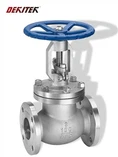

Hey there! As a supplier of Top Entry Ball Valves, I've seen my fair share of issues in systems where these valves are used. One of the most common and potentially damaging problems is water hammer. In this blog, I'll share some insights on how to handle water hammer in a system with a Top Entry Ball Valve.
First off, let's understand what water hammer is. Water hammer, also known as hydraulic shock, is a pressure surge or wave that occurs when there's a sudden change in the flow of water in a pipeline. This can happen when a valve is quickly opened or closed, or when a pump starts or stops abruptly. The sudden change in flow causes a shockwave to travel through the pipeline, which can lead to loud banging noises, vibrations, and even damage to the pipes, valves, and other components in the system.
Now, let's talk about how a Top Entry Ball Valve fits into this picture. A Top Entry Ball Valve is a type of valve that allows for easy access to the internal components for maintenance and repair. It's commonly used in various industries, including oil and gas, chemical, and power generation. However, like any other valve, it can contribute to water hammer if not properly managed.
So, how can we handle water hammer in a system with a Top Entry Ball Valve? Here are some practical steps:
1. Slow Down Valve Operation
One of the simplest ways to reduce the risk of water hammer is to slow down the opening and closing of the valve. Instead of slamming the valve shut or opening it all at once, use a slow and steady motion. This gives the water in the pipeline time to adjust to the change in flow, reducing the likelihood of a shockwave forming. Many modern Top Entry Ball Valves come with actuators that can be programmed to open and close at a controlled speed.
2. Install Surge Arrestors
Surge arrestors, also known as hydraulic shock absorbers, are devices that can help dissipate the energy of the shockwave caused by water hammer. They work by providing a cushioning effect, absorbing the excess pressure and preventing it from causing damage to the system. When installing a Top Entry Ball Valve, consider adding surge arrestors at strategic points in the pipeline, especially near the valve and at points where the flow is likely to change suddenly.
3. Use Pressure Relief Valves
Pressure relief valves are another important component in preventing water hammer. These valves are designed to open automatically when the pressure in the pipeline exceeds a certain set point, releasing the excess pressure and protecting the system from damage. Make sure to select a pressure relief valve that is appropriately sized for your system and that it is installed correctly.
4. Optimize Pipeline Design
The design of the pipeline can also have a significant impact on the occurrence of water hammer. Avoid sharp bends, sudden changes in pipe diameter, and long runs of straight pipe without any support. These factors can contribute to the formation of shockwaves and increase the risk of water hammer. Instead, use gradual bends, proper pipe sizing, and adequate support to ensure smooth and stable flow in the pipeline.


5. Conduct Regular Maintenance
Regular maintenance of the Top Entry Ball Valve and the entire pipeline system is crucial for preventing water hammer. Check the valve for any signs of wear or damage, such as leaks, corrosion, or improper sealing. Replace any worn-out components promptly to ensure the valve operates smoothly. Additionally, inspect the pipeline for any blockages or restrictions that could cause a sudden change in flow.
6. Choose the Right Valve Type
When selecting a Top Entry Ball Valve for your system, consider the specific requirements and operating conditions. There are different types of ball valves available, such as Forged Floating Soft Seated Ball Valve and Forged Floating Metal Seated Ball Valve. Each type has its own advantages and disadvantages, and choosing the right one can help reduce the risk of water hammer. For example, a soft-seated ball valve may provide better sealing and lower torque requirements, while a metal-seated ball valve may be more suitable for high-temperature and high-pressure applications.
In conclusion, handling water hammer in a system with a Top Entry Ball Valve requires a combination of proper valve operation, installation of protective devices, optimization of pipeline design, and regular maintenance. By following these steps, you can minimize the risk of water hammer and ensure the reliable and efficient operation of your system.
If you're in the market for a Top Entry Ball Valve or need more information on how to handle water hammer in your system, don't hesitate to reach out. We're here to help you find the right solution for your specific needs. Whether you're a small business or a large industrial operation, we have the expertise and products to meet your requirements. Contact us today to start the conversation and explore how we can work together to improve your system's performance.
References
- "Hydraulic Transients in Pipelines: Analysis, Mitigation, and Design" by V. Chaudhry
- "Valve Handbook" by J. S. Ludwig