



Hey there! As a supplier of Triple Offset Lug Type Butterfly Valves, I know how important it is to keep these valves clean. A well - maintained valve not only performs better but also lasts longer. So, let's dive into how to clean a triple offset lug type butterfly valve.
Why Cleaning Matters
Before we get into the cleaning process, let's talk about why it's so crucial. Over time, dirt, debris, and corrosion can build up inside the valve. This can cause the valve to stick, reduce its efficiency, and even lead to leaks. By cleaning your triple offset lug type butterfly valve regularly, you can prevent these issues and ensure that it operates smoothly.
Tools You'll Need
First things first, gather the necessary tools. You'll need a soft - bristle brush, a clean cloth, a mild detergent, a bucket of water, and some lubricant. The soft - bristle brush will help you get into all the nooks and crannies of the valve without scratching it. The clean cloth is for wiping down the valve after cleaning, and the mild detergent will help break down any stubborn dirt or grime. The bucket of water is for rinsing, and the lubricant will keep the moving parts of the valve working smoothly.
Step 1: Preparation
Before you start cleaning, make sure the valve is completely shut off and isolated from the system. This means turning off the flow of fluid through the valve and relieving any pressure. Safety first, folks! You don't want any unexpected leaks or spills while you're working on the valve.
Next, remove any external attachments, such as actuators or positioners. These parts can be delicate, and you don't want to damage them during the cleaning process. Just set them aside in a safe place.

Step 2: Disassembly
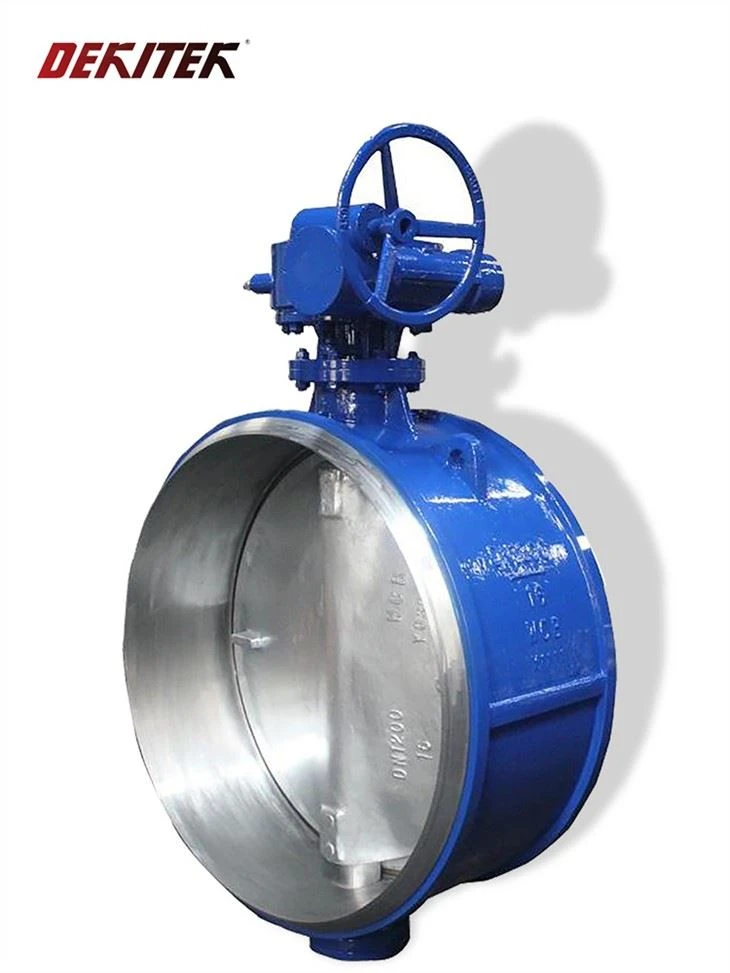
Now it's time to take the valve apart. Start by removing the bolts that hold the valve body together. Be careful not to lose any of the bolts or washers. Once the bolts are removed, gently separate the valve body. You'll now have access to the internal components, such as the disc, seat, and stem.
Step 3: Cleaning the Components
Let's start with the disc. Dip the soft - bristle brush into the mild detergent solution and gently scrub the disc. Pay special attention to the edges and the surface that comes into contact with the seat. This is where most of the dirt and debris tend to accumulate. After scrubbing, rinse the disc thoroughly with clean water and dry it with the cloth.
Next, clean the seat. The seat is a critical part of the valve, as it provides the seal. Use the brush to clean the seat, making sure to remove any dirt or particles that could affect the seal. Rinse the seat well and dry it.
The stem also needs to be cleaned. Wipe the stem with the cloth soaked in the detergent solution to remove any dirt or grease. Then rinse it and dry it.
Step 4: Inspecting the Components
While you have the valve disassembled, it's a good time to inspect the components for any signs of wear or damage. Check the disc for cracks or chips, and make sure the seat is in good condition. If you notice any significant damage, it might be time to replace the component. You can always reach out to us as a supplier for replacement parts.
Step 5: Reassembly
Once all the components are clean and dry, it's time to put the valve back together. Start by reassembling the internal components, making sure they are properly aligned. Then, carefully place the valve body back together and insert the bolts. Tighten the bolts evenly to ensure a proper seal.
Step 6: Lubrication
After reassembly, apply a small amount of lubricant to the moving parts of the valve, such as the stem and the hinge points. This will help reduce friction and ensure smooth operation.
Step 7: Testing
Before putting the valve back into service, it's important to test it. Slowly open and close the valve a few times to make sure it operates smoothly. Check for any leaks or unusual noises. If everything looks and sounds good, you're ready to reinstall the external attachments and put the valve back into the system.
Related Products
If you're interested in other types of butterfly valves, we also offer Double Offset Flange End Type Butterfly Valve, Double Offset Lug Type Butterfly Valve, and Double Offset Butt Weld End Butterfly Valve. These valves have their own unique features and applications, and we can help you choose the right one for your needs.
Conclusion
Cleaning a triple offset lug type butterfly valve might seem like a daunting task, but with the right tools and a little know - how, it's actually quite manageable. By following these steps, you can keep your valve in top condition and ensure its long - term performance.
If you have any questions about cleaning your valve or if you're interested in purchasing a triple offset lug type butterfly valve or any of our other products, don't hesitate to contact us. We're here to help you with all your valve needs. Whether you're a small business or a large industrial operation, we can provide you with high - quality valves and excellent customer service. Let's start a conversation about your valve requirements and see how we can work together.
References
- Valve Maintenance Handbook: A Guide to the Inspection, Repair, and Overhaul of Industrial Valves
- Industrial Valve Technology: Principles and Applications