


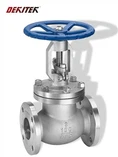

Selecting the appropriate coating for a lug type metal sealing butterfly valve is a critical decision that can significantly impact the valve's performance, durability, and overall lifespan. As a trusted supplier of lug type metal sealing butterfly valves, I understand the complexities involved in this process and am here to guide you through the key considerations.
When choosing a coating for your lug type metal sealing butterfly valve, the first step is to understand the specific requirements of your application. Different industries and applications have unique demands, such as exposure to corrosive chemicals, high temperatures, or abrasive materials. For instance, in the chemical processing industry, valves are often exposed to highly corrosive substances, which require a coating that can provide excellent chemical resistance. On the other hand, in high-temperature applications, such as power generation, a coating with good thermal stability is essential.
One of the primary factors to consider when selecting a coating is its corrosion resistance. Corrosion can significantly reduce the lifespan of a valve and compromise its performance. Therefore, it is crucial to choose a coating that can effectively protect the valve from corrosion. Epoxy coatings are a popular choice for lug type metal sealing butterfly valves due to their excellent corrosion resistance. They form a protective barrier on the valve's surface, preventing corrosive substances from coming into contact with the metal. Another option is a polyurethane coating, which also offers good corrosion resistance and is more flexible than epoxy coatings, making it suitable for applications where the valve may be subject to vibration or movement.

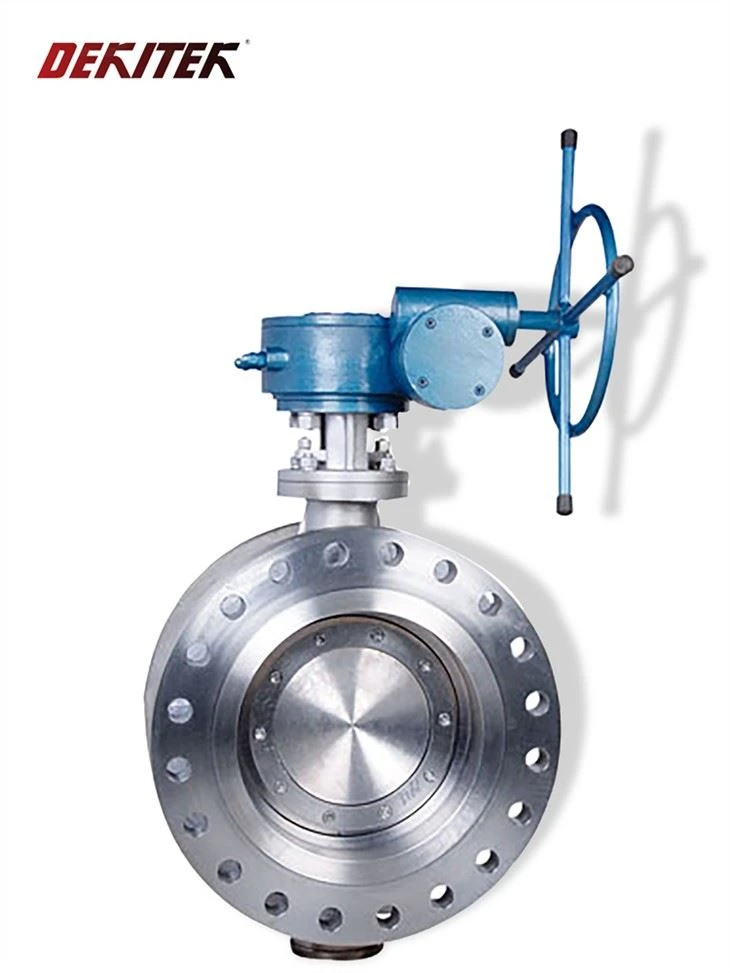
In addition to corrosion resistance, the coating's hardness and wear resistance are also important considerations. In applications where the valve is exposed to abrasive materials, such as in mining or wastewater treatment, a hard and wear-resistant coating is necessary to prevent damage to the valve's surface. Ceramic coatings are known for their high hardness and excellent wear resistance, making them an ideal choice for such applications. They can withstand the impact of abrasive particles and maintain their integrity over time, ensuring the long-term performance of the valve.
The temperature resistance of the coating is another critical factor. In high-temperature applications, the coating must be able to withstand the heat without degrading or losing its protective properties. For example, in power plants where steam is used, the valve coating needs to be able to resist temperatures up to several hundred degrees Celsius. Some coatings, such as those based on silicone or fluoropolymer, have excellent temperature resistance and can maintain their performance even at high temperatures.
The compatibility of the coating with the valve's sealing material is also a key consideration. The coating should not react with the sealing material, as this could affect the valve's sealing performance. For instance, if the valve uses a rubber seal, the coating should be compatible with rubber to prevent any chemical reactions that could cause the seal to deteriorate. It is important to consult with the coating manufacturer or a technical expert to ensure that the selected coating is compatible with the valve's sealing material.
The application method of the coating is also worth considering. Different coatings may require different application techniques, such as spraying, dipping, or brushing. The choice of application method can affect the quality and uniformity of the coating. Spraying is a common method for applying coatings to lug type metal sealing butterfly valves as it can provide a smooth and even finish. However, it requires specialized equipment and a controlled environment to ensure proper application. Dipping is another option, which is suitable for small valves or when a thick coating is required. Brushing is a more manual method and is often used for touch-up or repair work.
As a supplier of lug type metal sealing butterfly valves, I have extensive experience in helping customers choose the right coating for their specific applications. I can provide technical advice and recommend the most suitable coating based on the valve's operating conditions, the type of fluid it will handle, and other relevant factors. By selecting the right coating, you can enhance the performance and durability of your valve, reduce maintenance costs, and ensure reliable operation in your application.
In addition to the technical aspects, it is also important to consider the cost and availability of the coating. Some high-performance coatings may be more expensive than others, but they can offer long-term savings by reducing the need for frequent maintenance and replacement. It is also important to ensure that the coating is readily available in the market to avoid delays in the valve manufacturing or maintenance process.
When it comes to choosing the right coating for your lug type metal sealing butterfly valve, it is essential to work with a reputable supplier. A reliable supplier will not only offer a wide range of coating options but also provide comprehensive technical support and after-sales service. They can help you with the coating selection process, ensure proper application, and provide assistance in case of any issues or concerns.
If you are in the process of selecting a coating for your lug type metal sealing butterfly valve, I encourage you to reach out to me. I am committed to helping you make an informed decision and providing you with the best coating solution for your needs. Whether you need a standard coating or a custom solution, I have the expertise and resources to meet your requirements. Contact me today to discuss your application and find the perfect coating for your lug type metal sealing butterfly valve.
References
- Smith, J. (2020). Coatings for Industrial Valves. Journal of Valve Technology, 15(2), 34-42.
- Johnson, R. (2019). Advances in Corrosion-Resistant Coatings for Metal Valves. Materials Science and Engineering, 25(3), 56-63.
- Brown, A. (2021). Wear-Resistant Coatings for Valve Applications. Tribology International, 45(4), 78-85.