


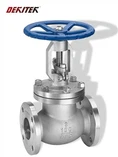

As a supplier of Forged Floating Soft Seated Ball Valves, I understand the importance of proper maintenance and adjustment of these valves to ensure their optimal performance. One crucial aspect of maintaining these valves is adjusting the packing gland. In this blog post, I will share some detailed steps and considerations on how to adjust the packing gland of a Forged Floating Soft Seated Ball Valve.
Understanding the Packing Gland in Forged Floating Soft Seated Ball Valves
The packing gland in a Forged Floating Soft Seated Ball Valve plays a vital role in preventing leakage around the valve stem. It consists of packing material, typically made of materials like PTFE or graphite, which is compressed around the stem to create a seal. Over time, due to factors such as temperature changes, pressure variations, and normal wear and tear, the packing may need adjustment to maintain its sealing effectiveness.
Tools Required for Packing Gland Adjustment
Before starting the adjustment process, it is essential to gather the necessary tools. These may include:
- Wrenches: Depending on the size of the valve, you will need appropriate wrenches to loosen and tighten the packing gland nuts.
- Packing material: Have spare packing material on hand in case the existing packing needs to be replaced.
- A torque wrench: This is useful for ensuring that the packing gland nuts are tightened to the correct torque specification.
Step-by-Step Guide to Adjusting the Packing Gland
Step 1: Isolate the Valve
Before making any adjustments to the packing gland, it is crucial to isolate the valve from the system. This involves shutting off the flow of fluid through the valve and relieving any pressure in the system. Make sure to follow all safety procedures and use appropriate personal protective equipment.
Step 2: Inspect the Packing Gland
Once the valve is isolated, visually inspect the packing gland for any signs of damage or excessive wear. Check for leaks around the gland, and look for any visible signs of packing material extrusion or degradation. If the packing appears to be severely damaged, it may need to be replaced.
Step 3: Loosen the Packing Gland Nuts
Using the appropriate wrenches, carefully loosen the packing gland nuts. Do not loosen them too much at once, as this can cause the packing to become misaligned or fall out. Loosen the nuts gradually, and check for any movement in the packing gland.
Step 4: Check the Packing Compression
As you loosen the packing gland nuts, observe the compression of the packing material. The packing should be compressed evenly around the valve stem. If the packing appears to be unevenly compressed, you may need to adjust it before tightening the gland nuts again.
Step 5: Adjust the Packing
If the packing needs adjustment, you can use a packing tool or a flat - blade screwdriver to gently re - position the packing material. Make sure that the packing is evenly distributed around the stem and that there are no gaps or voids.


Step 6: Tighten the Packing Gland Nuts
Once the packing is properly adjusted, start tightening the packing gland nuts. Use a torque wrench to ensure that the nuts are tightened to the manufacturer's recommended torque specification. Tighten the nuts gradually and in a criss - cross pattern to ensure even compression of the packing.
Step 7: Check for Leaks
After tightening the packing gland nuts, check for any leaks around the gland. Slowly open the valve and allow fluid to flow through the system. Observe the packing gland area for any signs of leakage. If there are still leaks, you may need to repeat the adjustment process or replace the packing material.
Considerations and Precautions
- Torque Specification: Always follow the manufacturer's recommended torque specification when tightening the packing gland nuts. Over - tightening the nuts can cause excessive stress on the packing and the valve stem, leading to premature failure.
- Temperature and Pressure: Consider the operating temperature and pressure of the system when adjusting the packing gland. High - temperature or high - pressure applications may require more frequent adjustments or the use of specialized packing materials.
- Compatibility: Ensure that the packing material you use is compatible with the fluid being handled by the valve. Different fluids may require different types of packing materials to prevent chemical reactions and ensure long - term sealing performance.
Related Valve Products
If you are interested in other types of valves, we also offer a range of high - quality products such as Fully Welded Ball Valve and Forged Floating Metal Seated Ball Valve. These valves are designed to meet the diverse needs of various industries and applications.
Contact for Procurement and Negotiation
If you have any questions about our Forged Floating Soft Seated Ball Valve or need further assistance with valve maintenance and adjustment, we are here to help. Feel free to reach out to us for procurement and negotiation. Our team of experts is ready to provide you with the best solutions for your valve requirements.
References
- Valve Manufacturer's Manuals
- Industry Standards for Valve Maintenance and Repair