


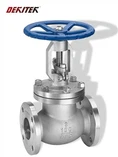

As a supplier of API6D Flange End Swing Type Check Valves, one of the most frequently asked questions I encounter from clients is about the lubrication frequency of these valves. Proper lubrication is crucial for the smooth operation and longevity of API6D Flange End Swing Type Check Valves. In this blog, I'll delve into the factors that influence the lubrication frequency and provide some general guidelines to help you make informed decisions.
Understanding API6D Flange End Swing Type Check Valves
Before discussing lubrication, let's briefly understand what API6D Flange End Swing Type Check Valves are. These valves are designed to allow fluid to flow in one direction only, preventing backflow. The swing - type design features a disc that swings on a hinge or shaft to open and close the valve. The API6D standard ensures that these valves meet specific industry requirements for quality, performance, and safety. You can learn more about API6D Flange End Swing Type Check Valve on our website.
Importance of Lubrication
Lubrication plays a vital role in the operation of API6D Flange End Swing Type Check Valves. It reduces friction between moving parts, such as the hinge or shaft of the swing disc. By minimizing friction, lubrication helps the valve to open and close smoothly, preventing wear and tear on the components. This, in turn, extends the valve's service life and reduces the risk of malfunctions. Additionally, proper lubrication can protect the valve from corrosion, especially in harsh environments.
Factors Affecting Lubrication Frequency
Operating Conditions
The frequency of lubrication is highly dependent on the operating conditions of the valve. If the valve is installed in a high - pressure, high - temperature environment, it will generally require more frequent lubrication. High pressure can cause increased friction between the moving parts, while high temperatures can degrade the lubricant more quickly. For example, in a steam pipeline where the temperature can reach several hundred degrees Celsius, the lubricant may break down faster, necessitating more regular lubrication.
On the other hand, if the valve is operating in a low - pressure, low - temperature environment, the lubrication intervals can be longer. In a water supply system with relatively stable and mild operating conditions, the valve may not need to be lubricated as often.
Fluid Characteristics
The type of fluid flowing through the valve also affects the lubrication frequency. Corrosive fluids, such as acids or alkalis, can damage the valve components and the lubricant. In such cases, more frequent lubrication may be required to protect the valve from corrosion. Additionally, viscous fluids can cause more resistance to the movement of the swing disc, increasing the wear on the hinge or shaft. This may also call for more frequent lubrication to ensure smooth operation.
For instance, if the valve is used in a chemical processing plant where corrosive chemicals are being transported, the lubricant needs to be replenished regularly to maintain the valve's integrity.
Valve Design and Quality
The design and quality of the API6D Flange End Swing Type Check Valve can influence the lubrication frequency. Valves with better - engineered hinge and shaft systems may require less frequent lubrication because they are designed to minimize friction. High - quality valves are also more likely to have better - fitting components, which reduces the need for excessive lubrication.
However, even high - quality valves still need proper lubrication at appropriate intervals to ensure optimal performance.
General Lubrication Frequency Guidelines
Based on industry experience and best practices, here are some general guidelines for lubricating API6D Flange End Swing Type Check Valves:
Normal Operating Conditions
In normal operating conditions, where the pressure is moderate (up to 1000 psi) and the temperature is within the range of - 20°C to 100°C, and the fluid is non - corrosive and of low viscosity (such as water), the valve should be lubricated at least once a year. This annual lubrication helps to maintain the smooth movement of the swing disc and protects the internal components from wear.
Harsh Operating Conditions
In harsh operating conditions, such as high - pressure (above 1000 psi), high - temperature (above 100°C), or corrosive fluid environments, the lubrication frequency should be increased. For high - pressure and high - temperature applications, lubrication every six months or even quarterly may be necessary. In corrosive environments, it is advisable to lubricate the valve every three to six months, depending on the severity of the corrosion.
It's important to note that these are just general guidelines, and the actual lubrication frequency may need to be adjusted based on the specific circumstances of each installation. Regular inspection of the valve is also recommended to determine if the lubrication intervals need to be modified.
Lubrication Procedure
When lubricating an API6D Flange End Swing Type Check Valve, it's essential to follow the correct procedure. First, make sure the valve is in a safe and de - energized state. Then, locate the lubrication points on the valve, which are usually near the hinge or shaft of the swing disc. Use a suitable lubricant recommended by the valve manufacturer. Apply the lubricant evenly to the moving parts, ensuring that it reaches all the areas where friction occurs.
After lubrication, operate the valve a few times to distribute the lubricant evenly and check for smooth operation.
Other Related Check Valves
In addition to API6D Flange End Swing Type Check Valves, we also offer API 6D BW Check Valve. These butt - weld check valves are designed for applications where a more permanent and leak - tight connection is required. Similar to the API6D Flange End Swing Type Check Valves, proper lubrication is also important for the API 6D BW Check Valves to ensure their reliable performance.
Conclusion
Determining the appropriate lubrication frequency for API6D Flange End Swing Type Check Valves is a crucial aspect of valve maintenance. By considering factors such as operating conditions, fluid characteristics, and valve design, you can establish a lubrication schedule that ensures the valve operates smoothly and has a long service life.


If you have any questions about API6D Flange End Swing Type Check Valves, their lubrication, or other related products, we are here to help. Contact us to discuss your specific requirements and explore how our high - quality valves can meet your needs. We look forward to the opportunity to serve you and contribute to the success of your projects.
References
- API 6D Standard - Specification for Pipeline Valves
- Valve Manufacturer's Installation, Operation, and Maintenance Manuals
- Industry Best Practices for Valve Maintenance and Lubrication