


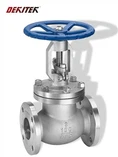

How does the flow characteristic of BW Type Metal Sealing Butterfly Valve look like?
As a supplier of BW Type Metal Sealing Butterfly Valves, I've had the privilege of witnessing firsthand the remarkable performance and unique flow characteristics of these valves. In this blog post, I'll delve into the intricacies of the flow behavior of BW Type Metal Sealing Butterfly Valves, exploring their design features, advantages, and applications.
Understanding the Basics of BW Type Metal Sealing Butterfly Valves
Before we dive into the flow characteristics, let's first understand what BW Type Metal Sealing Butterfly Valves are. These valves are a type of quarter - turn valve that uses a disc to control the flow of fluid through a pipe. The "BW" in the name typically refers to a specific design or series within the metal - sealing butterfly valve category.
The metal sealing aspect is crucial as it provides superior durability and sealing performance compared to traditional rubber - seated butterfly valves. Metal seals can withstand high temperatures, pressures, and corrosive environments, making them suitable for a wide range of industrial applications.
Flow Characteristics of BW Type Metal Sealing Butterfly Valves
1. Linear Flow Characteristic
One of the primary flow characteristics of BW Type Metal Sealing Butterfly Valves is their linear flow behavior. In a linear flow characteristic, the flow rate through the valve is directly proportional to the valve opening. As the valve disc rotates from the closed position (0°) to the fully open position (90°), the flow area increases linearly, resulting in a corresponding linear increase in the flow rate.
This linearity makes it relatively easy to control the flow rate. For example, in a process where a precise and consistent increase in flow is required, such as in a chemical dosing system, a BW Type Metal Sealing Butterfly Valve with a linear flow characteristic can be accurately adjusted to achieve the desired flow rate.
2. Low Pressure Drop
Another significant advantage of these valves is their low pressure drop. Pressure drop refers to the decrease in pressure that occurs as fluid flows through a valve. A low pressure drop means that less energy is required to move the fluid through the valve, resulting in energy savings.
The streamlined design of the valve disc and the smooth internal surface of the valve body contribute to the low pressure drop. Even at high flow rates, the BW Type Metal Sealing Butterfly Valve can maintain a relatively low pressure drop, making it an efficient choice for fluid handling systems.
3. Turbulence and Flow Distribution
When the valve is in the open position, the flow through a BW Type Metal Sealing Butterfly Valve is generally well - distributed across the pipe cross - section. However, as the valve starts to close, some turbulence may occur near the edges of the valve disc. This turbulence can be beneficial in some applications, such as in mixing processes, where it helps to enhance the mixing of different fluids.
On the other hand, excessive turbulence can lead to increased noise and vibration, which may affect the performance and lifespan of the valve and the entire piping system. Therefore, careful consideration should be given to the operating conditions and the design of the valve to minimize unwanted turbulence.
4. Cavitation Resistance
Cavitation is a phenomenon that occurs when the pressure of a liquid drops below its vapor pressure, causing the formation of vapor bubbles. These bubbles can collapse violently, leading to damage to the valve components and the piping system.
BW Type Metal Sealing Butterfly Valves are designed to be resistant to cavitation. The metal sealing surfaces and the robust construction of the valve can withstand the forces generated by cavitation. Additionally, the flow control capabilities of the valve can be adjusted to avoid operating in conditions that are likely to cause cavitation.
Advantages of BW Type Metal Sealing Butterfly Valves Based on Flow Characteristics
1. Energy Efficiency
The low pressure drop and linear flow characteristic of BW Type Metal Sealing Butterfly Valves contribute to energy efficiency. In large - scale industrial applications where large volumes of fluid need to be transported, the energy savings from using these valves can be significant over time.
2. Precise Flow Control
The linear flow characteristic allows for precise control of the flow rate. This is essential in many industrial processes, such as in power generation, where accurate control of steam or water flow is critical for the efficient operation of turbines and other equipment.
3. Wide Range of Applications
The combination of linear flow, low pressure drop, and cavitation resistance makes BW Type Metal Sealing Butterfly Valves suitable for a wide range of applications. They can be used in industries such as oil and gas, chemical processing, water treatment, and power generation.
Applications of BW Type Metal Sealing Butterfly Valves
1. Oil and Gas Industry
In the oil and gas industry, BW Type Metal Sealing Butterfly Valves are used in various applications, including pipeline transportation, refining processes, and offshore platforms. Their ability to withstand high pressures and temperatures, along with their low pressure drop, makes them ideal for controlling the flow of crude oil, natural gas, and refined products.
2. Chemical Processing
Chemical processing plants require valves that can handle corrosive chemicals and provide precise flow control. BW Type Metal Sealing Butterfly Valves, with their metal sealing and linear flow characteristics, are well - suited for applications such as chemical mixing, dosing, and transfer.
3. Water Treatment
In water treatment facilities, these valves are used to control the flow of water, chemicals, and sludge. The low pressure drop and cavitation resistance ensure efficient operation and long - term reliability in water treatment processes.
Comparison with Other Types of Butterfly Valves
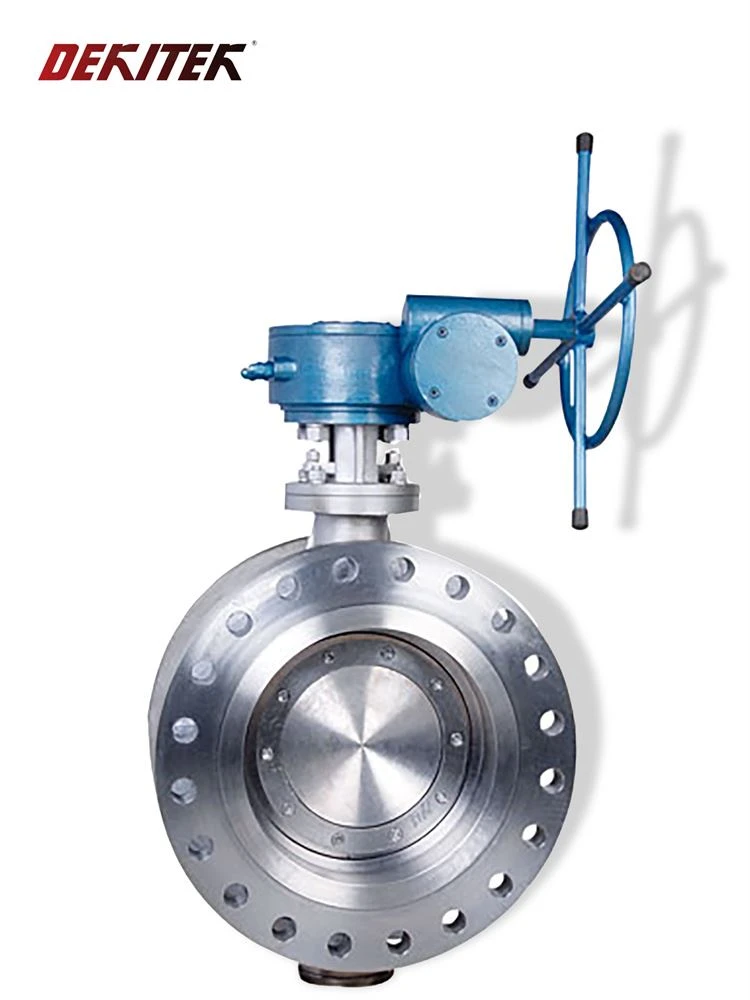
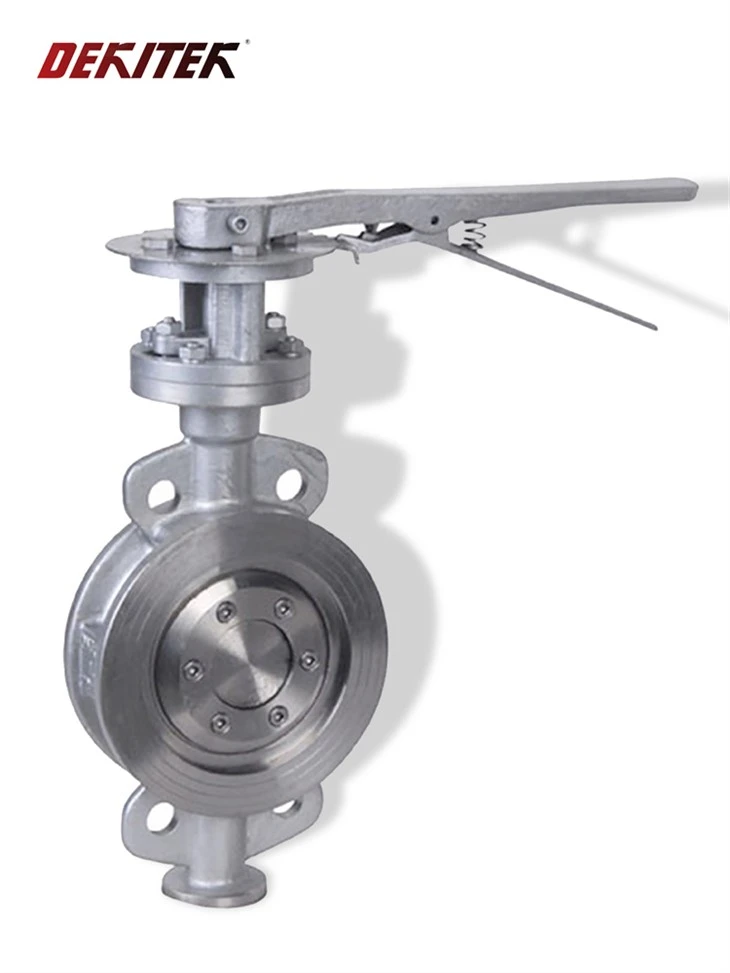
It's worth comparing BW Type Metal Sealing Butterfly Valves with other types of butterfly valves, such as the Triple Offset Wafer Type Butterfly Valve and the Double Offset Flange End Type Butterfly Valve.
The Triple Offset Wafer Type Butterfly Valve has a unique triple - offset design, which provides a bubble - tight seal and is suitable for high - pressure and high - temperature applications. However, its flow characteristic may be more complex compared to the linear flow of BW Type Metal Sealing Butterfly Valves.
The Double Offset Flange End Type Butterfly Valve offers good sealing performance and is commonly used in general industrial applications. While it also has certain flow control capabilities, the BW Type Metal Sealing Butterfly Valve may have an edge in terms of linear flow and low pressure drop in some cases.
Another type is the Wafer Type Metal Sealing Butterfly Valve. It shares some similarities with the BW Type Metal Sealing Butterfly Valve in terms of metal sealing and flow characteristics, but the BW type may have specific design features that make it more suitable for certain applications.
Conclusion
In conclusion, the flow characteristics of BW Type Metal Sealing Butterfly Valves, including their linear flow, low pressure drop, and cavitation resistance, make them a versatile and efficient choice for a wide range of industrial applications. Their ability to provide precise flow control and energy savings makes them a valuable asset in fluid handling systems.
If you're in the market for high - quality BW Type Metal Sealing Butterfly Valves or have any questions about their flow characteristics and applications, please feel free to contact us for a detailed discussion. We are committed to providing the best products and solutions to meet your specific needs.
References
- Valve Handbook, 4th Edition, by Thorkild Skovholt.
- Industrial Valves: Selection and Sizing, by David W. Plummer.