


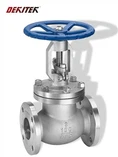

Hey there! I'm a supplier of Electric Actuator Gate Valves, and today I wanna take you through how these nifty devices work. It's gonna be a bit of a technical ride, but I'll try to keep it as simple and engaging as possible.


Let's start with the basics. An electric actuator gate valve is a type of valve that uses an electric actuator to control the opening and closing of a gate. The gate is the part of the valve that blocks or allows the flow of fluid (like water, gas, or oil) through the pipeline.
The Components of an Electric Actuator Gate Valve
First off, we've got the electric actuator. This is like the brain and muscle of the valve. It's the part that receives signals and then does the work of moving the gate. The actuator is usually powered by electricity, and it can be programmed to open or close the valve at specific times or in response to certain conditions.
Next is the gate itself. The gate is a flat or wedge-shaped piece that moves up and down inside the valve body. When the gate is fully lowered, it blocks the flow of fluid through the valve. When it's fully raised, it allows the fluid to pass freely.
The valve body is the outer shell that houses the gate and the actuator. It's designed to withstand the pressure and temperature of the fluid flowing through the pipeline. Valve bodies can be made from different materials, like alloy steel, cast steel, or carbon steel. For example, if you're looking for a high-quality option, you might check out our Alloy Steel Pressure Seal Gate Valve. It's built to handle tough conditions and provide reliable performance.
Another important component is the stem. The stem connects the actuator to the gate. When the actuator turns, it rotates the stem, which in turn moves the gate up or down.
How the Electric Actuator Works
The electric actuator is where the magic happens. It's typically made up of an electric motor, a gearbox, and a control unit.
The electric motor is the power source. It converts electrical energy into mechanical energy, which is used to turn the gearbox. The gearbox is a set of gears that reduce the speed of the motor and increase the torque. This allows the actuator to generate enough force to move the heavy gate.
The control unit is the brains of the actuator. It receives signals from a control system, like a PLC (programmable logic controller) or a remote control. These signals tell the actuator when to open or close the valve, and at what speed.
For example, let's say you've got a pipeline that needs to be shut off in case of an emergency. You can program the control unit to receive a signal from a pressure sensor. If the pressure in the pipeline gets too high, the sensor sends a signal to the control unit, which then tells the actuator to close the valve.
The Opening and Closing Process
Now, let's take a closer look at how the valve actually opens and closes.
When the control unit receives a signal to open the valve, it sends power to the electric motor. The motor starts to turn, and the gearbox reduces the speed and increases the torque. The rotating stem then raises the gate, allowing the fluid to flow through the valve.
As the gate rises, it moves along guides inside the valve body. These guides ensure that the gate moves smoothly and stays in the correct position. Once the gate is fully raised, the valve is fully open, and the fluid can flow freely through the pipeline.
Closing the valve is the opposite process. When the control unit receives a signal to close the valve, it sends power to the motor in the opposite direction. The motor turns in the reverse direction, and the gearbox again reduces the speed and increases the torque. The stem then lowers the gate, blocking the flow of fluid through the valve.
Advantages of Electric Actuator Gate Valves
There are several advantages to using electric actuator gate valves.
First of all, they're very precise. The control unit allows you to control the opening and closing of the valve with great accuracy. This is important in applications where you need to regulate the flow of fluid very precisely, like in chemical processing or water treatment plants.
Secondly, they're easy to automate. You can connect the actuator to a control system and program it to open and close the valve at specific times or in response to certain conditions. This reduces the need for manual operation and improves the efficiency of your system.
Another advantage is that they're reliable. Electric actuators are designed to withstand harsh environments and provide long-term performance. They require less maintenance compared to other types of actuators, like pneumatic or hydraulic actuators.
Different Types of Electric Actuator Gate Valves
We offer a variety of electric actuator gate valves to meet different needs. For example, our Cast Steel Pressure Seal Gate Valve is a great choice for applications where you need a valve that can handle high pressure. It's made from high-quality cast steel and has a pressure seal design that provides excellent sealing performance.
If you're looking for a valve that can handle a wide range of temperatures and pressures, our Carbon Steel Flexible Wedge Gate Valve might be the right option for you. The flexible wedge design allows the valve to adapt to changes in temperature and pressure, ensuring a tight seal.
Conclusion
So, there you have it! That's how an electric actuator gate valve works. These valves are an important part of many industrial processes, and they offer a lot of advantages in terms of precision, automation, and reliability.
If you're in the market for an electric actuator gate valve, I'd love to talk to you. Whether you need a valve for a small project or a large industrial application, we've got the expertise and the products to meet your needs. Just reach out, and we can start discussing your requirements and finding the right solution for you.
References
- "Valve Handbook" by Thorkild N. Nielsen
- "Industrial Valves: Selection, Specification, and Installation" by John H. Perry