


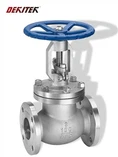

Can a check valve be used in a sewage system? Well, let me tell you, as a check valve supplier, I've been asked this question quite a few times. And the answer is a resounding yes! Check valves can definitely be used in sewage systems, and they play a crucial role in ensuring the smooth and efficient operation of these systems.
First off, let's talk about what a check valve is. A check valve is a type of valve that allows fluid to flow in one direction only. It automatically opens when the fluid is flowing in the correct direction and closes when the flow reverses. This simple yet effective design makes check valves ideal for use in sewage systems, where preventing backflow is of utmost importance.
In a sewage system, wastewater is constantly being transported from various sources, such as homes, businesses, and industries, to a treatment plant. During this process, there are numerous situations where backflow can occur. For example, if there is a blockage in the pipes downstream, the pressure can build up and cause the wastewater to flow back in the opposite direction. This can lead to a whole host of problems, including flooding, contamination of clean water sources, and damage to the sewage system itself.
This is where check valves come in. By installing check valves at strategic points in the sewage system, we can prevent backflow and ensure that the wastewater flows in the intended direction. For instance, check valves can be installed at the inlet of a sewage pump station to prevent the pumped wastewater from flowing back into the station when the pump stops. They can also be used at the connection points between different sections of the sewage pipes to prevent the backflow of wastewater between these sections.
There are different types of check valves that can be used in sewage systems, each with its own advantages and disadvantages. One of the most commonly used types is the swing check valve. A swing check valve consists of a disc that swings on a hinge to open and close the valve. When the fluid is flowing in the correct direction, the disc is pushed open by the pressure of the fluid. When the flow reverses, the disc swings back to its closed position, preventing the backflow of the fluid.
Another type of check valve that is suitable for sewage systems is the wafer check valve. Wafer check valves are compact and lightweight, making them easy to install in tight spaces. They work on the same principle as swing check valves, but instead of a swinging disc, they use a spring-loaded disc or a flexing diaphragm to open and close the valve.
At our company, we offer a wide range of check valves that are specifically designed for use in sewage systems. For example, we have the API6D Flange End Swing Type Check Valve, which is a high-quality swing check valve that meets the API 6D standard. This valve is made from durable materials and is designed to withstand the harsh conditions of sewage systems. It has a large flow capacity and a low pressure drop, which means that it can efficiently handle the flow of wastewater without causing significant energy losses.
We also have the API 6D BW Check Valve, which is a butt-welded check valve that is suitable for use in high-pressure sewage systems. This valve is designed to provide a tight seal and prevent leakage, even under high-pressure conditions. It is made from high-quality materials and is built to last, making it a reliable choice for sewage system applications.
In addition to preventing backflow, check valves in sewage systems can also help to reduce the wear and tear on other components of the system. For example, by preventing the backflow of wastewater into a sewage pump, check valves can reduce the load on the pump and extend its lifespan. They can also prevent the backflow of solids and debris into the pipes, which can reduce the risk of blockages and corrosion.
However, it's important to note that the proper selection and installation of check valves are crucial for their effective operation in sewage systems. When selecting a check valve, factors such as the flow rate, pressure, temperature, and the type of fluid (in this case, sewage) need to be considered. The valve should be sized correctly to ensure that it can handle the expected flow of wastewater without causing excessive pressure drop.
During installation, the check valve should be installed in the correct orientation to ensure that it functions as intended. It should also be installed in a location where it is easily accessible for maintenance and inspection. Regular maintenance and inspection of the check valves are also necessary to ensure that they are working properly. This may include checking for leaks, cleaning the valve components, and replacing any worn or damaged parts.
In conclusion, check valves are an essential component of sewage systems. They provide a simple and effective solution to prevent backflow, protect other components of the system, and ensure the proper functioning of the sewage system. As a check valve supplier, we are committed to providing high-quality check valves that are suitable for use in sewage systems. If you are in need of check valves for your sewage system, or if you have any questions about the selection and installation of check valves, please don't hesitate to contact us. We'd be more than happy to help you find the right check valve solutions for your specific needs and guide you through the purchasing process.


References
- "Valve Handbook", by J. Bjorkman and M. Bjorkman.
- API 6D Standard for Pipeline Valves.