


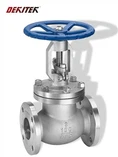

Hey there! As a check valve supplier, I often get asked if check valves can be used in a power generation plant. Well, the short answer is yes, and in this blog, I'll dive deep into why they're not only useful but often essential in these high - stakes environments.
Understanding Check Valves
First off, let's quickly go over what a check valve is. A check valve is a simple yet brilliant device. It allows fluid (either liquid or gas) to flow in one direction only. Once the flow tries to reverse, the valve closes automatically. This is super important because it prevents backflow, which can cause all sorts of problems in a system.
There are different types of check valves, like swing check valves, lift check valves, and ball check valves. Each type has its own unique way of working and is suited for different applications. For example, swing check valves are great for large - diameter pipes and low - velocity flows. You can check out our API6D Flange End Swing Type Check Valve for a prime example of this type.
Power Generation Plants: A Complex Ecosystem
Power generation plants are incredibly complex places. They generate electricity through various means, such as fossil fuels, nuclear energy, hydro - power, or renewable sources like wind and solar. No matter the source, there are a ton of pipes and systems that need to work together seamlessly.
In these plants, fluids are constantly moving. Water is used for cooling, steam is used to turn turbines, and gases are involved in combustion processes. And here's where check valves come in handy.
Applications of Check Valves in Power Generation Plants
1. Cooling Systems
One of the most critical aspects of a power generation plant is its cooling system. Water is used to cool down the equipment, like generators and condensers. If the water flow were to reverse in the cooling pipes, it could lead to overheating. Check valves ensure that the water flows in the right direction, keeping the equipment at a safe operating temperature.
2. Steam Systems
Steam is a key player in many power generation processes. It's used to spin turbines, which in turn generate electricity. Check valves in steam systems prevent the backflow of steam. Backflow can cause pressure imbalances, which can damage the turbines and other components. Our API 6D BW Check Valve is designed to handle the high - pressure and high - temperature conditions often found in steam systems.
3. Fuel Supply Systems
In power plants that use fossil fuels, like coal, oil, or natural gas, check valves are used in the fuel supply lines. They prevent the fuel from flowing back into the storage tanks or other parts of the system. This is not only important for safety reasons but also for maintaining the efficiency of the combustion process.
Advantages of Using Check Valves in Power Plants
1. Safety
Safety is always the top priority in power generation plants. Check valves help prevent dangerous situations, such as backflow of hot steam or flammable fuels. By ensuring one - way flow, they reduce the risk of equipment damage, explosions, and other hazards.
2. Equipment Protection
As mentioned earlier, backflow can cause a lot of damage to expensive equipment. Check valves act as a safeguard, protecting turbines, pumps, and other components from the negative effects of reverse flow. This extends the lifespan of the equipment and reduces maintenance costs.
3. Efficiency
When the fluid flow is properly regulated, the power generation process becomes more efficient. Check valves help maintain the right pressure and flow rates in the systems, which means the plant can generate electricity more effectively.
Challenges and Considerations
Of course, using check valves in power generation plants isn't without its challenges. These plants operate under extreme conditions, with high pressures, high temperatures, and corrosive fluids. So, the check valves need to be made of high - quality materials that can withstand these harsh environments.
Regular maintenance is also crucial. Over time, the valves can wear out, and their performance may degrade. Inspections and replacements should be carried out according to a strict schedule to ensure that the valves are always working properly.
Selection of Check Valves for Power Plants
When choosing check valves for a power generation plant, several factors need to be considered.
1. Pressure and Temperature Ratings
The valves must be able to handle the pressure and temperature conditions in the plant. For example, in a steam system, the valve needs to withstand high - pressure steam at very high temperatures.


2. Flow Rate
The size and type of the check valve should be chosen based on the expected flow rate of the fluid. A valve that is too small may cause a restriction in the flow, while a valve that is too large may not function properly.
3. Material Compatibility
The material of the valve should be compatible with the fluid it will be handling. For example, in a plant that uses corrosive chemicals, the valve should be made of a corrosion - resistant material.
Conclusion
So, to sum it up, check valves are an indispensable part of power generation plants. They play a crucial role in ensuring the safety, efficiency, and proper functioning of the plant's various systems. Whether it's in the cooling system, steam system, or fuel supply lines, check valves keep the fluid flow in check.
If you're involved in a power generation plant and are looking for high - quality check valves, we're here to help. We have a wide range of check valves that are designed to meet the specific needs of power generation applications. Don't hesitate to reach out to us for more information or to discuss your procurement requirements. We're always happy to have a chat and find the best solutions for your plant.
References
- "Power Plant Engineering" by P. K. Nag
- "Handbook of Valves" by Robert E. Abbott