


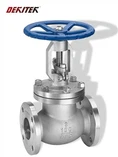

Can a check valve be used in a geothermal system? That's a question I get asked a lot as a check valve supplier. In this blog, I'll dive into the details of whether check valves are a good fit for geothermal systems, how they work in such setups, and the types of check valves that might be suitable.
First off, let's understand what a geothermal system is. Geothermal systems use the stable temperature of the earth to heat and cool buildings. They work by circulating a fluid (usually a mixture of water and antifreeze) through a loop of pipes buried underground. In the winter, the fluid absorbs heat from the ground and transfers it into the building. In the summer, the process is reversed, and the system removes heat from the building and deposits it into the ground.
Now, why would you need a check valve in a geothermal system? Well, one of the main reasons is to prevent backflow. Backflow can cause a bunch of problems in a geothermal system. For example, it can disrupt the normal flow of the fluid in the loop, leading to inefficient heat transfer. It can also cause damage to pumps and other components in the system. A check valve ensures that the fluid flows in one direction only, which helps maintain the proper functioning of the geothermal system.
There are different types of check valves, and each has its own advantages and disadvantages when it comes to geothermal applications. One common type is the swing check valve. A swing check valve has a disc that swings on a hinge. When the fluid flows in the correct direction, the disc is pushed open. When the flow tries to reverse, the disc swings shut, blocking the backflow. Swing check valves are relatively simple and reliable, and they can handle a wide range of flow rates. You can check out our API6D Flange End Swing Type Check Valve for a high - quality option in this category.
Another type is the ball check valve. In a ball check valve, a ball is used to block the flow. When the fluid flows in the right direction, the ball is pushed aside. When the flow reverses, the ball is forced against a seat, preventing backflow. Ball check valves are known for their quick response time, which can be beneficial in geothermal systems where rapid changes in flow direction might occur.
Let's talk about the technical aspects a bit more. The pressure and temperature conditions in a geothermal system are important factors to consider when choosing a check valve. Geothermal systems typically operate at relatively low to moderate pressures, but the temperature of the fluid can vary depending on the depth of the ground loop and the climate. The check valve needs to be able to withstand these temperature and pressure variations without failing.
For example, in a closed - loop geothermal system, the fluid is constantly circulating through the pipes. The check valve should be able to handle the continuous flow and the associated wear and tear. It also needs to be made of materials that are resistant to corrosion, as the fluid in the geothermal loop might contain chemicals or minerals that could cause damage over time.
One of the benefits of using a high - quality check valve in a geothermal system is energy efficiency. When the system operates without backflow, the pumps don't have to work as hard to maintain the flow of the fluid. This can lead to lower energy consumption and cost savings in the long run.


Now, let's address some potential challenges. One issue is the noise. Some check valves can make a clicking or slamming noise when they open and close. In a geothermal system, this noise can be a nuisance, especially if the system is located near living or working areas. To minimize noise, you might want to choose a check valve with a soft - seating design or a damper mechanism.
Another challenge is the size of the check valve. It needs to be properly sized for the geothermal system. If the valve is too small, it can cause excessive pressure drop, which reduces the efficiency of the system. If it's too large, it might not function properly and could lead to other problems.
As a check valve supplier, I've seen firsthand how the right check valve can make a big difference in a geothermal system. We offer a wide range of check valves, including the API 6D BW Check Valve, which is designed to meet the high - standards required for industrial applications, including geothermal systems.
If you're in the process of setting up a geothermal system or looking to upgrade an existing one, I highly recommend considering a check valve. It's a small but crucial component that can enhance the performance and reliability of your system.
Whether you're a contractor, an engineer, or a homeowner, if you have questions about which check valve is right for your geothermal system, don't hesitate to reach out. We're here to help you make the best choice for your specific needs. Contact us to start a discussion about your check valve requirements and let's work together to ensure your geothermal system runs smoothly.
References
- Geothermal Heat Pump Consortium. "Geothermal Heat Pump Basics."
- ASHRAE Handbook of HVAC Systems and Equipment.