


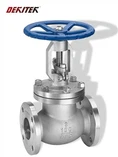

Hey there! As a supplier of Lug Type Metal Sealing Butterfly Valves, I often get asked about the special requirements for pipeline connection. Well, let's dive right into it and break down what you need to know.
First off, let's talk about the basics. A lug type metal sealing butterfly valve is a popular choice in many industries due to its durability and reliability. It's designed to control the flow of fluid in a pipeline by rotating a disc within the valve body. The lug design allows the valve to be installed between two flanges using bolts, which provides a secure connection and helps prevent leakage.

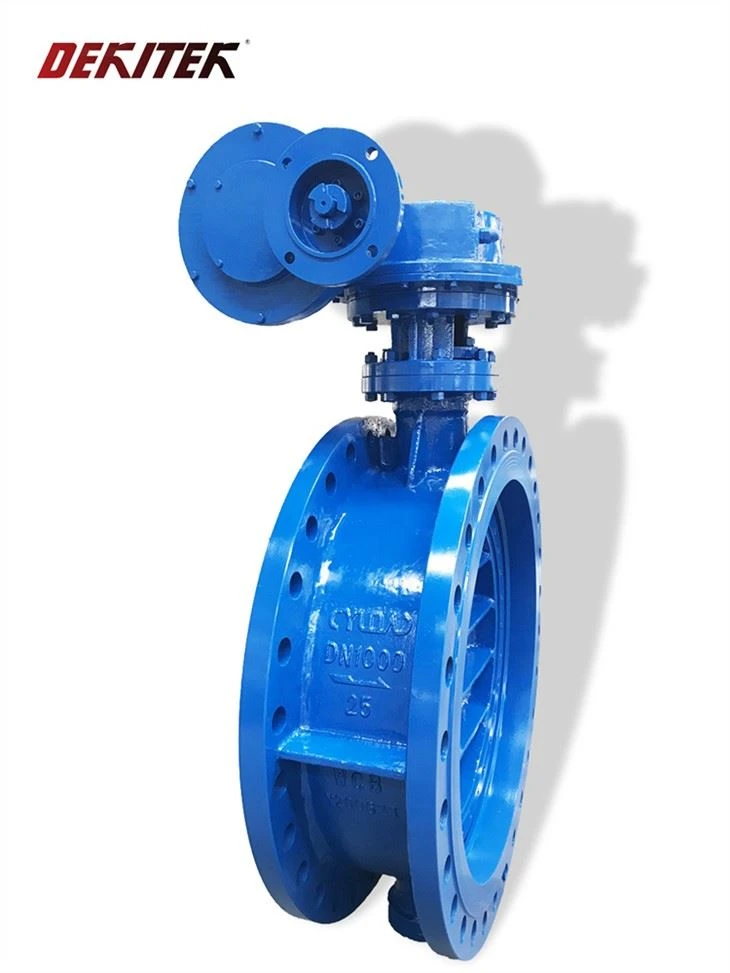
One of the key special requirements for pipeline connection of a lug type metal sealing butterfly valve is the proper alignment of the valve with the pipeline. Misalignment can lead to uneven stress on the valve and pipeline, which can cause premature wear and tear, and even leakage. To ensure proper alignment, it's important to use a flange alignment tool during installation. This tool helps to align the bolt holes in the valve and pipeline flanges, ensuring a straight and secure connection.
Another important requirement is the use of the correct gasket material. The gasket is placed between the valve and pipeline flanges to create a seal and prevent leakage. The type of gasket material you choose will depend on several factors, including the type of fluid being transported, the operating temperature and pressure, and the chemical compatibility of the gasket material with the fluid. For example, if you're transporting a corrosive fluid, you'll need to use a gasket material that is resistant to corrosion, such as PTFE or EPDM.
Tightening the bolts correctly is also crucial for a proper pipeline connection. Over-tightening the bolts can damage the valve or pipeline flanges, while under-tightening can result in leakage. It's important to follow the manufacturer's recommended torque values when tightening the bolts. These values are typically provided in the valve's installation manual and are based on the size and type of the valve, as well as the operating conditions.
In addition to proper alignment, gasket selection, and bolt tightening, it's also important to consider the pipeline support. The valve and pipeline should be properly supported to prevent excessive stress on the valve and pipeline connections. This can be achieved by using pipe supports, such as hangers or brackets, at regular intervals along the pipeline.
Now, let's take a look at some specific types of lug type metal sealing butterfly valves and their pipeline connection requirements.
The Double Offset Flange End Type Butterfly Valve is a popular choice for applications where a high degree of sealing performance is required. This type of valve has two offsets, which helps to reduce friction and wear on the valve seat, resulting in a longer service life. When connecting a double offset flange end type butterfly valve to a pipeline, the same alignment, gasket selection, and bolt tightening requirements apply as for other types of lug type valves.
The Triple Offset Lug Type Butterfly Valve is another type of valve that offers excellent sealing performance. This valve has three offsets, which provides a metal-to-metal seal and allows for a higher operating pressure and temperature. When installing a triple offset lug type butterfly valve, it's important to ensure that the valve is properly aligned and that the gasket material is compatible with the operating conditions.
The Flange End Metal Sealing Butterfly Valve is a versatile valve that can be used in a wide range of applications. This valve is designed to provide a tight seal and is suitable for both high and low-pressure applications. When connecting a flange end metal sealing butterfly valve to a pipeline, it's important to follow the same installation procedures as for other types of lug type valves.
In conclusion, there are several special requirements for the pipeline connection of a lug type metal sealing butterfly valve. Proper alignment, gasket selection, bolt tightening, and pipeline support are all crucial for a secure and leak-free connection. By following these requirements and using the correct installation procedures, you can ensure the long-term performance and reliability of your valve and pipeline system.
If you're in the market for a lug type metal sealing butterfly valve or have any questions about pipeline connection requirements, don't hesitate to reach out. We're here to help you find the right valve for your application and provide you with the support you need for a successful installation.
References
- Valve Installation and Maintenance Manuals
- Industry Standards for Valve Installation and Pipeline Connection