


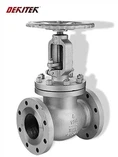


Determining the correct orientation of a check valve installation is a critical step that significantly impacts the performance and safety of fluid systems. As a trusted check valve supplier, I've witnessed firsthand how a misaligned check valve can lead to operational inefficiencies, equipment damage, and even safety hazards. In this blog post, I'll share insights on how to determine the proper orientation for check valve installation, drawing from industry best practices and my years of experience.
Understanding the Basics of Check Valves
Before delving into the installation orientation, it's essential to understand what check valves are and how they function. A check valve is a mechanical device that allows fluid to flow in one direction only, preventing backflow. This unidirectional flow is crucial in various applications, such as water supply systems, oil and gas pipelines, and industrial processes.
There are several types of check valves, including swing check valves, lift check valves, ball check valves, and tilting disc check valves. Each type has its unique design and operating principle, which influences the installation orientation. For instance, swing check valves have a disc that swings on a hinge to allow forward flow and closes to prevent backflow, while lift check valves use a piston or disc that moves vertically to control flow.
Factors Influencing Check Valve Orientation
Several factors must be considered when determining the correct orientation of a check valve installation. These factors ensure that the valve operates effectively and efficiently, providing reliable protection against backflow.
Flow Direction
The most fundamental factor is the intended flow direction of the fluid. Check valves are designed to allow flow in a specific direction, and installing them in the wrong orientation will render them ineffective. The flow direction is typically indicated by an arrow on the valve body. It's crucial to align this arrow with the actual flow direction in the pipeline.
Pipe Configuration
The configuration of the pipeline also plays a significant role in determining the valve orientation. For example, in a horizontal pipeline, swing check valves are commonly installed with the hinge at the top to ensure proper disc movement. In a vertical pipeline, the flow direction can be either upward or downward, depending on the application. When the flow is upward, the valve can be installed in a normal orientation. However, when the flow is downward, special considerations may be required to ensure proper valve operation.


Pressure and Temperature
The pressure and temperature conditions of the fluid system can affect the performance of the check valve. High-pressure systems may require a different installation orientation to ensure that the valve can withstand the pressure without leakage. Similarly, extreme temperatures can cause the valve components to expand or contract, potentially affecting the valve's operation. It's essential to consult the valve manufacturer's specifications to determine the appropriate installation orientation based on the pressure and temperature conditions.
Maintenance and Accessibility
Maintenance and accessibility are important considerations for long-term valve performance. The valve should be installed in a location that allows easy access for inspection, maintenance, and replacement. This may influence the orientation of the valve, especially in complex piping systems where space is limited.
Step-by-Step Guide to Determining Check Valve Orientation
Now that we've covered the key factors, let's walk through a step-by-step guide to determining the correct orientation of a check valve installation.
Step 1: Identify the Flow Direction
The first step is to identify the intended flow direction of the fluid in the pipeline. This can usually be determined by reviewing the system design documents or consulting with the system engineer. Once the flow direction is established, locate the arrow on the valve body and align it with the flow direction.
Step 2: Evaluate the Pipe Configuration
Examine the pipeline configuration to determine the best location and orientation for the check valve. Consider the horizontal or vertical orientation of the pipeline, as well as any bends, elbows, or other fittings that may affect the valve operation. Ensure that there is sufficient space around the valve for installation, maintenance, and inspection.
Step 3: Consider the Pressure and Temperature
Review the pressure and temperature conditions of the fluid system and consult the valve manufacturer's specifications. Make sure that the valve is suitable for the operating conditions and that the installation orientation is appropriate to handle the pressure and temperature.
Step 4: Check for Proper Sealing
Before installing the check valve, inspect the valve seat and sealing surfaces for any damage or debris. Ensure that the valve is properly seated and that the sealing materials are in good condition. This will help prevent leakage and ensure the valve's reliable operation.
Step 5: Install the Valve
Once the orientation is determined, carefully install the check valve in the pipeline. Follow the manufacturer's installation instructions and use the appropriate tools and techniques. Make sure that the valve is securely fastened and that all connections are tight.
Special Considerations for Different Types of Check Valves
Different types of check valves have specific installation requirements and considerations. Here are some special considerations for the most common types of check valves:
Swing Check Valves
Swing check valves are widely used in various applications due to their simple design and reliable operation. When installing swing check valves in a horizontal pipeline, the hinge should be at the top to allow the disc to swing freely. In a vertical pipeline with upward flow, the valve can be installed in a normal orientation. However, in a vertical pipeline with downward flow, the valve may need to be installed with a special configuration to ensure proper disc movement.
Lift Check Valves
Lift check valves are commonly used in high-pressure applications where a tight seal is required. These valves are typically installed in a vertical pipeline with upward flow. The valve stem should be vertical to ensure proper piston or disc movement. In some cases, a spring-loaded lift check valve may be used to provide additional assistance in closing the valve.
Ball Check Valves
Ball check valves are known for their compact design and quick response time. They can be installed in both horizontal and vertical pipelines. In a horizontal pipeline, the ball should be able to move freely in the valve body. In a vertical pipeline, the flow direction should be upward to ensure proper ball movement.
Common Mistakes to Avoid
Despite the importance of proper check valve installation, several common mistakes can occur. These mistakes can lead to valve malfunction, reduced efficiency, and potential safety hazards. Here are some common mistakes to avoid:
Incorrect Flow Direction
Installing the check valve in the wrong flow direction is the most common mistake. This can render the valve ineffective and allow backflow, which can damage equipment and contaminate the fluid system. Always double-check the flow direction and align the valve arrow accordingly.
Improper Mounting
Mounting the valve in an incorrect position or orientation can affect its operation. For example, installing a swing check valve with the hinge at the bottom in a horizontal pipeline can prevent the disc from swinging freely, leading to valve failure. Follow the manufacturer's installation instructions carefully to ensure proper mounting.
Neglecting Maintenance
Failure to perform regular maintenance on the check valve can lead to valve degradation and reduced performance. Over time, dirt, debris, and corrosion can accumulate on the valve components, affecting their operation. Schedule regular inspections and maintenance to keep the valve in good working condition.
Conclusion
Determining the correct orientation of a check valve installation is crucial for the proper functioning of fluid systems. By considering factors such as flow direction, pipe configuration, pressure, and temperature, and following a step-by-step guide, you can ensure that the valve operates effectively and efficiently. As a check valve supplier, I'm committed to providing high-quality valves and expert advice to help you make the right installation decisions.
If you're in the market for reliable check valves, I invite you to explore our product range, including the API 6D BW Check Valve and API6D Flange End Swing Type Check Valve. Our valves are designed to meet the highest industry standards and provide long-lasting performance. Contact us today to discuss your specific requirements and let's start a procurement negotiation to find the best solution for your needs.
References
- Valve Manufacturers Association (VMA) Standards
- American Petroleum Institute (API) Standards
- ASME B16.34 - Valves - Flanged, Threaded, and Welding End
- Manufacturer's Installation and Maintenance Manuals